German Shepherds are intelligent, energetic, and powerful dogs that thrive with ample space and mental stimulation. For owners considering an outdoor or free-range lifestyle for their German Shepherd, creating a secure and stimulating environment is paramount. The cornerstone of this setup is a properly constructed fence. This comprehensive guide delves into the critical precautions for building a fail-safe enclosure and the holistic approach to raising a content and well-adjusted outdoor German Shepherd.
Understanding the German Shepherd's Needs
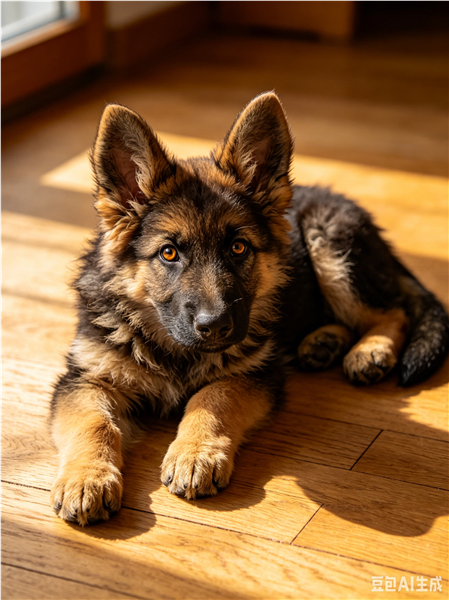
Before breaking ground on any fence, it's crucial to understand what you're containing. The German Shepherd is a working breed known for its athleticism, intelligence, and strong drive. They are excellent jumpers, capable climbers, and persistent diggers if motivated by boredom, prey drive, or separation anxiety. A standard backyard fence is often insufficient. Their need for physical exercise and mental engagement means an outdoor space should be an extension of their living area, not a solitary confinement zone. The goal is to provide safe freedom, not merely imprisonment.
Fence Building: Materials and Structural Precautions
Choosing the right materials is the first critical step. The fence must be robust enough to withstand weather, time, and a determined 80-90 pound dog.
- Material Choices: Chain-link is common but can be climbed if the grid is large enough. Opt for vinyl-coated chain-link for durability and to protect your dog's paws. Wooden privacy fences offer visual barriers but can be chewed or scaled. Heavy-duty welded wire mesh or agricultural panels anchored to sturdy posts are excellent choices. Avoid materials with sharp edges or toxic treatments (like certain wood preservatives).
- Height Requirements: A minimum height of 6 feet is non-negotiable for an adult German Shepherd. Some athletic individuals may require 7 or even 8 feet. Remember, they can jump from a standstill and use obstacles for leverage.
- Depth and Anti-Dig Measures: Digging is a major escape route. Extend fencing material at least 12-18 inches underground, bending it outward at a 90-degree angle to form an "L" shape (a dig guard). Alternatively, bury chicken wire or pour a concrete footer along the perimeter. Regularly inspect the fence line for nascent digging attempts.
- Gate Security: The gate is often the weakest point. Use a heavy-duty, self-closing hinge with a secure latch that cannot be nudged open. Consider a double-latch system or a padlock for added security. Ensure the gate fits snugly with no gap at the bottom large enough for digging or squeezing under.
- Climb Prevention: Smooth surfaces are harder to climb. If using chain-link, consider adding a roller bar (coyote roller) to the top, which spins and prevents a paw grip. Ensure there are no nearby trees, sheds, or furniture placed close to the fence that could serve as a launching pad.
- Visibility vs. Privacy: A solid fence prevents sight of outside distractions (like passing dogs or squirrels) which can reduce fence-running and barking. However, it also blocks your view. A mesh or chain-link fence allows you to monitor your dog. Weigh the pros and cons for your specific dog and environment.
Beyond the Fence: Essential Raising Precautions
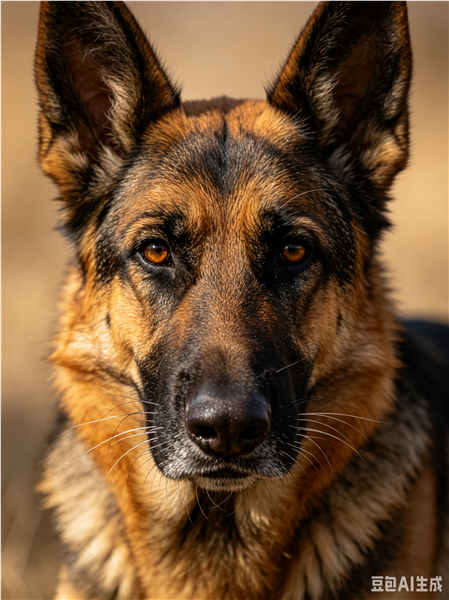
A secure fence is only half the battle. Raising a German Shepherd successfully in an outdoor setting requires proactive care and management.
1. Shelter and Comfort: Provide a sturdy, insulated, and waterproof dog house that is elevated off the ground, sized appropriately, and positioned in a shaded area with good drainage. In extreme heat or cold, outdoor access should be limited, and the dog should have the option to come inside. Always ensure access to clean, fresh water in a spill-proof bowl.
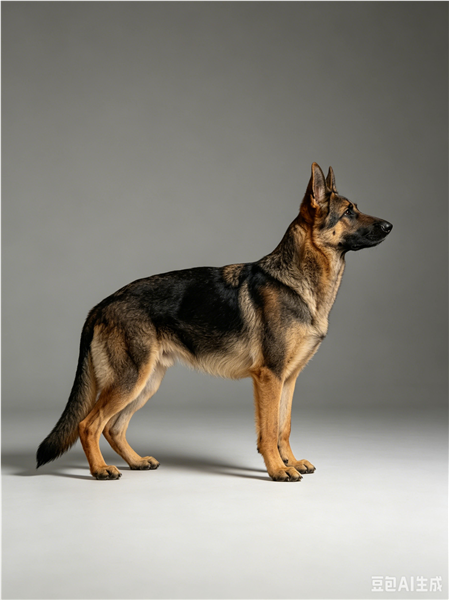
2. Exercise and Mental Stimulation: A large yard does not replace structured exercise and training. German Shepherds need daily vigorous activity: long walks, runs, fetch, and agility work. Boredom is the enemy of a secure fence. Provide interactive toys, puzzle feeders, and regular training sessions to tire their mind. A tired dog is less likely to attempt escape.
3. Socialization and Companionship: German Shepherds are pack animals. Leaving them alone outside for extended periods can lead to loneliness, anxiety, and destructive behaviors. They are family dogs and need daily, quality interaction with their human pack. Use the outdoor space as a shared activity area, not a replacement for companionship.
4. Health and Safety Monitoring: Regularly check the enclosure for hazards: toxic plants, sharp objects, standing water, or gaps in the fence. Ensure your dog is protected against parasites (fleas, ticks, heartworm) and is microchipped with a secure collar and ID tag as a final backup. Perform daily visual checks for injuries or signs of illness.
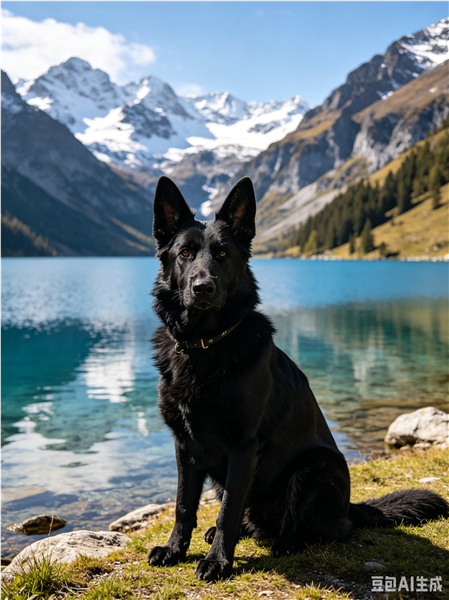
5. Training Reinforcement: Train reliable recall and boundary commands like "leave it" or "away from the fence." Even within a secure area, reinforcing these commands adds a layer of behavioral security. Never use the outdoor area as a place for "time-out" as punishment, as this can create negative associations.
6. Weather Considerations: Have a plan for severe weather. During storms, extreme heat, or freezing temperatures, your dog must have access to a climate-controlled indoor space. Know the signs of heatstroke and hypothermia.
Legal and Neighborhood Considerations: Check local ordinances regarding fence height, setback requirements, and dog licensing. Be a considerate neighbor: manage barking through training and environmental management, and ensure your dog cannot become a nuisance or perceived threat.
Conclusion: A Partnership of Structure and Care
Successfully keeping a free-range German Shepherd outdoors is a significant commitment that blends engineering and responsible ownership. The fence must be an impenetrable fortress, built with foresight to counter the breed's physical capabilities. But the physical barrier is meaningless without the complementary investment in the dog's physical health, mental well-being, and social needs. By combining a meticulously constructed enclosure with ample exercise, training, companionship, and vigilant care, you can create a safe and fulfilling outdoor environment where your loyal and active German Shepherd can thrive. Remember, the fence protects your dog from the outside world, but it is your daily care that protects their quality of life within it.