Getting Started for Beginners: A Complete Guide to German Shepherd Dog Breeding and Care
Welcome to the rewarding journey of raising a German Shepherd Dog (GSD). Renowned for their intelligence, loyalty, and versatility, German Shepherds make exceptional companions, working dogs, and family members. However, their successful integration into your life requires knowledge, commitment, and a structured approach. This comprehensive guide is designed for beginners, providing a complete set of strategies to ensure your German Shepherd thrives from puppyhood through its senior years.

Chapter 1: Preparing for Your German Shepherd Puppy

Before bringing your puppy home, preparation is key. Start by puppy-proofing your house. Remove chewable hazards like electrical cords, toxic plants, and small objects. Designate a quiet space with a comfortable crate, bedding, food and water bowls, and safe toys. Invest in quality supplies: a sturdy leash, collar with ID tags, grooming tools, and high-quality puppy food formulated for large breeds. Research and choose a reputable veterinarian and locate a nearby puppy training class. Mentally prepare for the first few weeks, which will involve sleepless nights, potty training, and constant supervision. Having everything ready will ease the transition for both you and your new companion.
Chapter 2: Nutrition and Diet: Fueling a Working Breed
Proper nutrition is the cornerstone of your German Shepherd's health. As a large, active breed, they have specific dietary needs. For puppies, choose a premium large-breed puppy food that supports controlled growth to prevent joint issues like hip dysplasia. Feed measured meals 3-4 times a day according to the guidelines on the food package and your vet's advice. Transition to adult food around 12-18 months of age. Adult German Shepherds require a balanced diet rich in high-quality animal protein, healthy fats, and essential vitamins and minerals. Be cautious with treats and avoid foods toxic to dogs, such as chocolate, grapes, onions, and xylitol. Always provide fresh, clean water. Monitor your dog's weight regularly and adjust portions to maintain an ideal body condition, as obesity can exacerbate breed-specific health problems.
Chapter 3: Foundational Training and Socialization
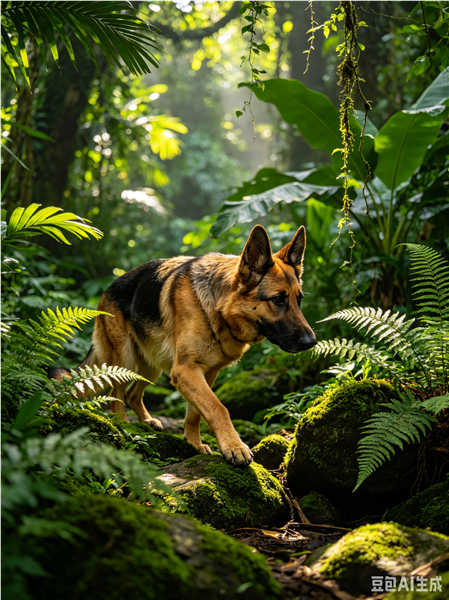
German Shepherds are brilliant and eager to learn, making training both essential and rewarding. Start the day you bring your puppy home. Focus on foundational commands like sit, stay, come, and down using positive reinforcement techniques—reward good behavior with treats, praise, or play. Consistency from all family members is crucial. Crate training aids in housebreaking and provides a safe den for your dog. Simultaneously, prioritize socialization. Between 3 and 16 weeks, expose your puppy to a wide variety of people, dogs, environments, sounds, and experiences in a positive, controlled manner. This prevents fearfulness and aggression later in life. Enroll in a puppy kindergarten class for structured learning and socialization opportunities. Remember, training is a lifelong process that strengthens your bond.
Chapter 4: Exercise and Mental Stimulation

A bored or under-exercised German Shepherd is a recipe for destructive behavior. This breed has immense energy and a sharp mind that needs daily engagement. Provide at least 60-90 minutes of vigorous exercise daily. This can include long walks, jogging, hiking, fetch, and swimming. Beyond physical exercise, mental stimulation is equally important. Use puzzle toys, engage in obedience training sessions, practice nose work (scent games), or participate in dog sports like agility, tracking, or obedience trials. These activities channel their natural drive and intelligence into positive outlets, preventing anxiety, boredom, and related behavioral issues.
Chapter 5: Grooming and Health Maintenance
German Shepherds have a double coat that sheds year-round, with heavier shedding periods seasonally. Establish a regular grooming routine. Brush your GSD at least 2-3 times a week with an undercoat rake and slicker brush to remove loose fur, prevent mats, and distribute skin oils. During shedding season, daily brushing may be necessary. Bathing should be done every 2-3 months or when dirty, using a dog-specific shampoo to avoid stripping natural oils. Regularly check and clean their ears to prevent infections, trim nails every few weeks, and brush their teeth several times a week for dental health. Partner with your vet for a proactive health plan, including core vaccinations, regular parasite prevention (fleas, ticks, heartworm), and annual wellness exams. Be aware of breed-specific health screenings for conditions like hip and elbow dysplasia, degenerative myelopathy, and certain heart conditions.
Chapter 6: Understanding Behavior and Building a Bond
German Shepherds are deeply loyal and form strong bonds with their families. They are often reserved with strangers, a trait of their protective nature, but should not be overly fearful or aggressive. Understanding their body language is key. A confident GSD has relaxed posture and ears, while a stressed dog may yawn, lick its lips, or tuck its tail. Never use harsh punishment; it can damage trust and lead to behavioral problems. Instead, focus on building a relationship based on mutual respect, clear communication, and positive experiences. Include your dog in family activities, provide a predictable routine, and ensure they have a quiet place to retreat. A well-balanced, socially integrated German Shepherd is a confident and devoted guardian of its home.
Chapter 7: Long-Term Care and Senior Considerations
With an average lifespan of 9-13 years, your German Shepherd will eventually enter its senior years, typically around age 7. Senior care involves adjustments to maintain quality of life. Consult your vet about transitioning to a senior-formula dog food that is easier to digest and supports joint health. Exercise remains important but may need to be moderated in intensity and duration—shorter, more frequent walks are beneficial. Be vigilant for signs of aging, such as decreased hearing or vision, stiffness, changes in appetite, or cognitive decline. Provide orthopedic bedding, ramps for stairs or cars, and ensure your home is slip-proof. Increase veterinary check-ups to twice a year to monitor for age-related conditions like arthritis, cancer, or organ dysfunction. Your lifelong care culminates in providing comfort and dignity in their golden years.
Conclusion: The Commitment to Excellence
Raising a German Shepherd is a significant commitment that yields immense rewards. By following this complete set of strategies—meticulous preparation, optimal nutrition, consistent training and socialization, ample exercise, diligent grooming, proactive healthcare, and deep understanding—you lay the foundation for a magnificent partnership. You are not just owning a dog; you are guiding a capable, intelligent being to become a well-adjusted and integral member of your family. The journey requires patience, love, and dedication, but the result—a loyal, healthy, and obedient German Shepherd—is truly priceless. Start your journey with knowledge and confidence, and enjoy every step with your remarkable canine companion.