Environmental Layout Skills for Raising Border Collies in Apartments
Raising a Border Collie, a breed synonymous with boundless energy and brilliant intellect, within the confines of an apartment might seem like a daunting challenge. However, with intentional environmental design and a committed owner, apartment living can be a fulfilling experience for both dog and human. The key lies in transforming your living space into a structured, stimulating, and safe environment that caters to their physical and mental needs. This guide delves into the essential layout skills and strategies to successfully nurture a Border Collie in a smaller home.
Understanding the Border Collie's Core Needs
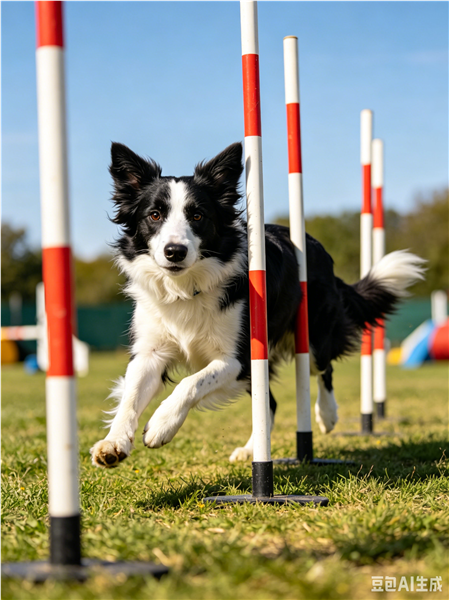
Before rearranging furniture, it's crucial to understand what you're designing for. Border Collies are working dogs bred for herding sheep over vast landscapes. This heritage grants them:
- High Physical Energy: They require significant daily exercise to stay healthy and prevent destructive behaviors born from boredom.
- Exceptional Mental Stamina: Their intelligence demands constant engagement. An under-stimulated Border Collie will find its own, often undesirable, ways to entertain itself.
- Strong Herding Instinct: This can manifest as chasing moving objects (cars, bikes, children), staring, or nipping at heels.
- Sensitivity and Responsiveness: They thrive on clear communication and a predictable environment.
Your apartment layout must address these traits proactively.
Zoning Your Apartment: Creating Purposeful Areas
Think of your apartment not as one open space, but as a series of designated zones. This creates routine and clarity for your dog.
1. The Decompression & Rest Zone
Every dog, especially in a busy household, needs a sanctuary. This should be a quiet corner, away from high-traffic areas like the main doorway or TV. Essential elements include:
- A High-Quality Crate or Bed: A crate, when introduced positively, becomes a den-like safe haven. Place a comfortable, orthopedic bed inside or nearby.
- Minimal Stimulation: Keep this area calm. Avoid placing it near windows with constant street activity if your dog is prone to alert barking.
- Personal Items: Keep their favorite chew toy and a blanket here to reinforce positive associations.
2. The Activity & Play Zone
This is the designated area for indoor play, training, and active mental games. Ideally, this is in a more open space like the living room.
- Clear Floor Space: Move coffee tables to the side to create an open area for playing fetch with a soft toy, practicing obedience drills, or setting up small agility obstacles.
- Durable Flooring: If possible, have hard-surface or easy-to-clean flooring in this zone for play sessions and puzzle feeders.
- Toy Storage: Use a basket or bin to store toys, but rotate them weekly to maintain novelty and prevent boredom.
3. The Feeding & Enrichment Station
Separate feeding from the rest zone. This area, often in the kitchen or a hallway, should be for structured eating and independent mental work.
- Non-Slip Mats: Place food and water bowls on a non-slip mat.
- Puzzle Feeder Central: This is where you'll use slow feeders, snuffle mats, Kongs stuffed with food, and other interactive toys. Having a dedicated spot helps contain any mess.
4. The Observation Post
Border Collies are observant. Denying them a view can be frustrating. Manage this need by creating a controlled observation spot.
- Designated Window Access: Allow access to one or two windows with a secure perch or by moving a stable chair nearby. You can use a window film on the lower half to obscure the view while still letting light in, reducing reactivity triggers.
- "Watch the World" Ritual: Make this a scheduled activity, not a constant free-for-all. Supervise and reward calm observation.
Strategic Furniture and Space Management
Your furniture choices and arrangement can make or break your success.
- Vertical Space is Your Friend: Install sturdy, wall-mounted shelves to create a "cat highway" for dogs? Not exactly, but you can use wall space for storage, freeing up floor area for play. Consider tall, narrow bookcases instead of wide consoles.
- Choose Durable, Easy-Clean Materials: Opt for leather, microfiber, or tightly woven fabrics for upholstery that can withstand pawing and occasional drool. Avoid delicate silks or loose weaves that might trigger herding or chewing.
- Create Race-Free Pathways: Arrange furniture to prevent long, unimpeded sightlines that encourage frantic running. Use bookshelves, room dividers, or large plants to break up spaces and naturally slow movement.
- Secure and Dog-Proof: Anchor tall furniture like bookcases to the wall. Use cord organizers for electronics. Ensure all toxic plants are out of reach or removed.
Integrating Mental Stimulation into the Environment
The environment itself should provide puzzles. This is the cornerstone of apartment life with a Border Collie.
- Treasure Hunts & Nosework: Hide treats or kibble in different spots around the apartment before you leave or during play. Start easy and increase difficulty.
- DIY Obstacle Courses: Use couch cushions to create tunnels, a broomstick across two buckets for a jump, and chairs draped with a blanket for a crawl-through. Rearrange weekly.
- Rotation of Novel Items: Introduce new, safe objects for investigation periodically—a new textured mat, a cardboard box with holes cut in it, or a frozen towel with treats inside.
- Station Training: Teach your dog to go to specific spots (a mat, a bed in a certain room) on command. This integrates mental work into daily navigation of the space.
Managing Noise and Sensory Overload
Apartments can be noisy, which can stress a sensitive dog.
- Sound Buffering: Use thick rugs, curtains, and wall tapestries to dampen sound from neighbors or the street.
- White Noise: A white noise machine or calm music playlist can mask jarring sudden noises.
- Calming Scents: Consider dog-appeasing pheromone (DAP) diffusers in the rest zone to promote relaxation.
The Non-Negotiables: Beyond the Layout
No layout can compensate for insufficient exercise and socialization.
- Rigorous Daily Exercise: Commit to at least 1-2 hours of active outdoor time daily. This includes long walks, runs, biking (with proper training), and visits to secure dog parks or fields for fetch and frisbee.
- Focused Training Sessions: Dedicate 15-20 minutes, 2-3 times a day, to obedience, trick training, or dog sports like agility or flyball (foundation skills can be practiced indoors).
- Routine and Predictability: Border Collies excel on a schedule. Feed, walk, play, and train at consistent times to reduce anxiety.
Successfully raising a Border Collie in an apartment is an exercise in creativity, commitment, and intelligent design. By zoning your space, strategically managing your environment, and embedding opportunities for mental work into your dog's daily life, you create an apartment that isn't just a living space, but a fulfilling home for one of the world's most capable canine minds. Remember, a tired and mentally satisfied Border Collie is a well-behaved and happy companion, regardless of square footage.