How Long Do Corn Snakes Live? A Complete Guide to Their Lifespan in Captivity
Corn snakes (Pantherophis guttatus) are among the most popular pet snakes in the world, prized for their docile nature, manageable size, and stunning array of color morphs. A common and crucial question for any potential or current owner is: How long do corn snakes live? Understanding their lifespan and the factors that influence it is key to providing a lifetime of proper care. In optimal captive conditions with dedicated care, these remarkable reptiles can be long-term companions.
The Typical Corn Snake Lifespan: Setting Realistic Expectations

The average lifespan of a well-cared-for corn snake in captivity typically ranges from 15 to 20 years. This is a significant commitment, akin to owning a cat or dog. Many individuals reliably reach their late teens, and it is not uncommon for corn snakes to surpass the 20-year mark, with some documented cases of snakes living into their mid-20s. This longevity starkly contrasts with their wild counterparts, who face predators, disease, habitat loss, and food scarcity, often living only 6 to 8 years. Captivity, when done correctly, offers a safe and controlled environment that allows them to reach their full biological potential.
Factors That Influence Your Corn Snake's Longevity
A corn snake's lifespan is not predetermined; it is directly shaped by the quality of care it receives. Several interconnected factors play a pivotal role in determining whether your snake will live a full, healthy life or face preventable health challenges.
1. Proper Enclosure and Habitat Setup
The foundation of good health is a suitable habitat. For an adult corn snake, a minimum enclosure size of a 20-gallon long tank (30 inches x 12 inches x 12 inches) is recommended, but larger is always better, especially for active individuals. The enclosure must be escape-proof, as snakes are adept escape artists. Key habitat components include:
- Temperature Gradient: A thermal gradient is non-negotiable. One end of the enclosure should have a warm basking spot of 85-88°F (29-31°C), created using an under-tank heat pad or a ceramic heat emitter regulated by a thermostat. The cool end should be between 75-80°F (24-27°C). This allows the snake to thermoregulate its digestion and immune function.
- Humidity Levels: Corn snakes require moderate humidity, generally between 40-50%. This can be maintained through a large water bowl and occasional misting. Humidity should spike to 60-70% during shedding periods to ensure clean, complete sheds and prevent retained eye caps or skin.
- Substrate (Bedding): Choose a safe, absorbent substrate. Aspen shavings are a popular choice as they allow for burrowing and hold tunnel shapes well. Avoid cedar and pine, as their aromatic oils are toxic to reptiles. Paper-based bedding or reptile carpet are also acceptable alternatives.
- Hides and Enrichment: Provide at least two snug hiding places—one on the warm end and one on the cool end. This gives the snake a sense of security, reducing stress. Adding branches, fake plants, and cork rounds encourages climbing and exploration, promoting mental and physical health.
2. Nutrition and Feeding Regimen
Feeding an appropriate diet is critical. In captivity, corn snakes thrive on a diet of pre-killed or frozen-thawed rodents. The size of the prey should be no larger than 1.5 times the widest part of the snake's body. A general feeding schedule is:
- Hatchlings (0-1 year): One pinky mouse every 5-7 days.
- Juveniles (1-3 years): One fuzzy or hopper mouse every 7-10 days.
- Adults (3+ years): One adult mouse every 10-14 days.
Overfeeding is a common mistake that leads to obesity, fatty liver disease, and a shortened lifespan. Conversely, underfeeding can cause malnutrition and stunted growth. Always provide fresh, clean water in a bowl large enough for the snake to soak in if desired.
3. Veterinary Care and Health Monitoring
Preventative veterinary care is essential for a long life. Establish a relationship with a qualified reptile veterinarian (herp vet). While corn snakes are generally hardy, they are susceptible to specific health issues:
- Respiratory Infections (RI): Often caused by incorrect temperatures or humidity. Symptoms include wheezing, mucus around the nostrils or mouth, and open-mouth breathing.
- Inclusion Body Disease (IBD): A fatal viral disease, more common in boas and pythons but can affect colubrids. It causes neurological symptoms like "stargazing" loss of coordination, and regurgitation. There is no cure.
- Mites and Parasites: Snake mites are tiny black parasites that can cause anemia and stress. Quarantine new snakes and regularly inspect your pet. Internal parasites require a fecal exam by a vet for diagnosis and treatment.
- Stomatitis (Mouth Rot): A bacterial infection of the mouth, often secondary to injury or a weakened immune system, characterized by redness, swelling, and cheesy pus.
- Dysecdysis (Bad Sheds): Incomplete sheds are usually a sign of low humidity. Retained skin, especially on the eyes (spectacles), can lead to infection.
Regularly handling your snake (outside of digestion periods) allows you to check its body condition, skin, eyes, and mouth for any abnormalities.
4. Genetics and Responsible Sourcing
The genetic foundation of your snake plays a role. Reputable breeders who practice selective breeding for health and vigor typically produce robust offspring with a strong potential for longevity. Avoid snakes from mass-breeding facilities or those with a history of genetic issues linked to certain color morphs (like the "kinked" spine sometimes associated with some morphs). Always ask about the snake's lineage and health history.
5. Stress Minimization
Chronic stress is a silent killer that suppresses the immune system. Minimize stress by:

- Providing adequate hides and a secure enclosure.
- Limiting handling to 1-2 times per week for short durations, especially for new snakes.
- Avoiding handling for 48 hours after feeding to prevent regurgitation.
- Keeping the enclosure in a quiet, low-traffic area of the home.
- Not housing multiple corn snakes together, as they are solitary animals and cohabitation causes competition and stress.
The Life Stages of a Corn Snake
Understanding their life stages helps tailor care throughout their lives.
- Hatchling (0-1 year): Rapid growth phase. Frequent, small meals are crucial. They can be more nervous and may musk when handled.
- Juvenile (1-3 years): Steady growth continues. Personality becomes more established. Feeding frequency begins to decrease.
- Sub-Adult to Adult (3-7 years): Growth slows and eventually plateaus. They reach sexual maturity. This is their prime adulthood, lasting for many years.
- Senior (15+ years): Activity may decrease slightly. Appetite might become less robust. Continue providing excellent care and monitor closely for age-related changes. Veterinary check-ups become even more important.
Common Mistakes That Shorten a Corn Snake's Life
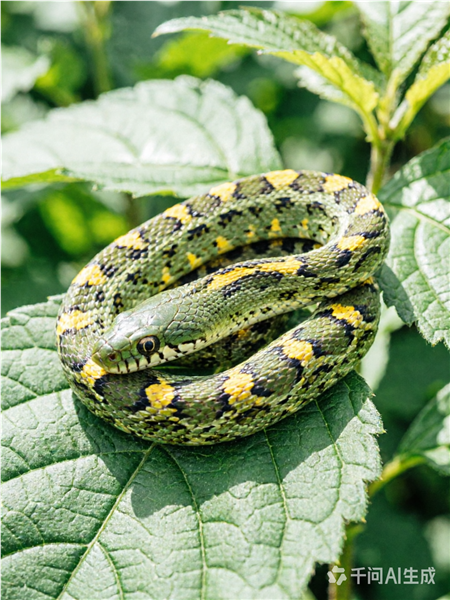
Being aware of these pitfalls can help you avoid them:
- Using an Unregulated Heat Source: Heat rocks or unregulated heat mats can cause severe thermal burns.
- Improper Feeding: Offering live prey (which can injure the snake) or prey that is too large.
- Neglecting Humidity: Leading to chronic dehydration and life-threatening bad sheds.
- Lack of a Secure Lid: Resulting in escape, injury, or death from household hazards.
- Ignoring Early Signs of Illness: Delaying a vet visit when symptoms first appear.
Conclusion: A Commitment Measured in Decades
So, how long do corn snakes live? With dedicated, informed care, the answer is a resounding 15 to 20 years or more. Bringing a corn snake into your home is a long-term commitment to providing a species-appropriate habitat, a balanced diet, preventative healthcare, and a low-stress environment. By understanding and meeting their needs throughout every stage of life, you give your scaly companion the best possible chance to thrive and share your home for two decades or longer. Their longevity is a testament to the successful partnership between reptile and responsible keeper.