Pros and Cons of Keeping Arowana in a Bare Tank, Essential Analysis for Beginners
In the arowana keeping community, the debate over whether to use substrate, driftwood, and other decorative landscaping has never ceased. The "bare tank faction" advocates for minimalism and practicality, while the "landscaping faction" pursues natural aesthetics and beauty. For beginners about to venture into keeping arowana, this is often the first major decision they face. A bare tank, as the name suggests, is a keeping method where the aquarium contains only necessary equipment like the filtration system and heater, with no substrate, large decorative rocks, or driftwood—essentially an empty tank bottom. This article will provide an in-depth analysis of the pros and cons of keeping arowana in a bare tank, combined with the practical needs of beginners, to offer a comprehensive decision-making guide.
I. Significant Advantages of Keeping Arowana in a Bare Tank
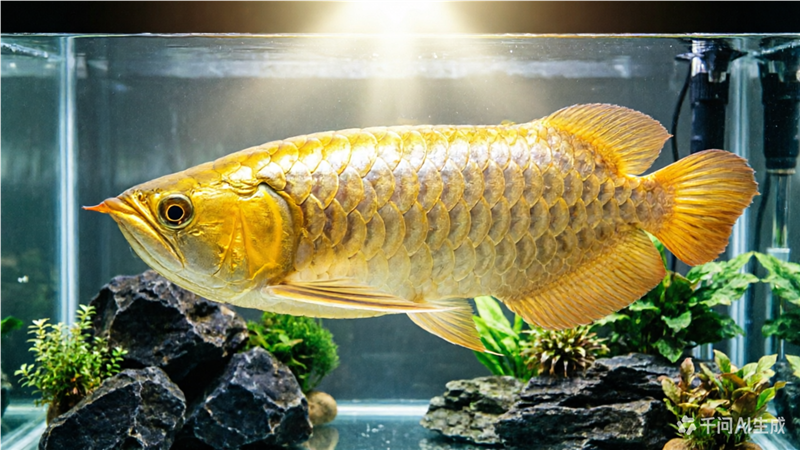
1. Ultimate Convenience in Water Quality Management
This is the core, most irreplaceable advantage of a bare tank. Arowana, as large carnivorous fish, produce significant waste and are sensitive to water parameter fluctuations.
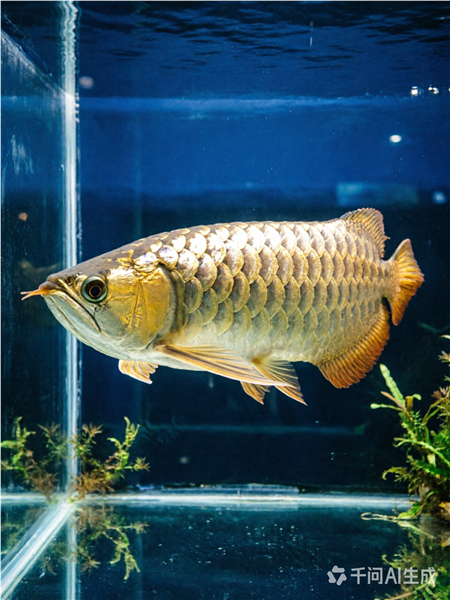
- Waste and Leftover Food are Clearly Visible: All waste settles on the smooth tank bottom, with nowhere to hide. The keeper can easily remove it with a siphon during water changes, greatly reducing the chance of organic matter decomposing and polluting the water inside the tank.
- Thorough Cleaning Without Dead Spots: Daily maintenance or periodic deep cleaning becomes exceptionally simple and efficient when wiping the glass walls or cleaning the tank bottom, without worrying about scratching the tank or disturbing a substrate layer that could cloud the water.
- Stable Water Parameters: It avoids uncontrollable factors like substrate or driftwood potentially releasing minerals or softening/acidifying the water. This makes key parameters like pH and hardness easier to predict and stabilize, which is particularly suitable for arowana that require stable, slightly acidic to neutral water.
2. Eliminating Potential Health and Safety Risks
A bare tank provides the "cleanest" living environment for arowana.
- Zero Hiding Places for Dirt: Substrate gaps are breeding grounds for harmful bacteria and parasite eggs. A bare tank completely eradicates this hidden danger, reducing the probability of fish illness.
- Avoiding Physical Injury: Arowana are active and swift, especially when startled or hunting. A bare tank environment eliminates the risk of scraping scales, breaking barbels, or even injuring their bodies by colliding with hard decorative rocks or driftwood.
- Preventing Accidental Ingestion of Foreign Objects: Juvenile arowana or curious individuals might accidentally ingest small pebbles or substrate, causing intestinal blockages. A bare tank completely prevents such tragedies.
3. Highlighting the Fish Itself, Ultimate Viewing Experience
"The sole protagonist" is the aesthetic philosophy of a bare tank.
- Focus on the Arowana's Beauty: With no decorations to distract, the viewer's attention is entirely focused on the arowana's streamlined body, shimmering scales, and majestic swimming posture. Every speck of gold dust on the scale base and every shade on the fin edges are clearly discernible.
- Beneficial for Coloration and Observation: A clean, simple background (often paired with black or blue background panels) maximizes light reflection, highlighting the arowana's gold tone and base color, which is beneficial for its coloration development. Simultaneously, any changes in the fish's condition, such as physical abnormalities, loss of appetite, or unusual behavior, can be detected immediately.
- Enhanced Sense of Space: Visually unobstructed, the tank appears more spacious and transparent, giving the arowana a sense of freer, more unconstrained swimming from a visual perspective.
4. Cost-Effectiveness and Convenience
This is very beginner-friendly.
- Lower Initial Investment: Saves the cost of purchasing quality substrate, sterilizing driftwood, and matching landscaping materials.
- Lower Maintenance Cost and Time-Saving: Daily maintenance workload is significantly reduced, and the frequency of cleaning filter media might also decrease due to cleaner water. In the long run, it saves a considerable amount of time and effort.
- Strong Adaptability: Whether you want to adjust your keeping methods in the future or upgrade your tank, the bare tank state allows for flexible adjustments anytime without the burden of handling large amounts of landscaping materials.
II. Non-Negligible Disadvantages of Keeping Arowana in a Bare Tank
However, pursuing ultimate simplicity also means sacrificing some things.
1. Monotonous Ecological Environment, Potentially Causing Fish Stress
A completely empty environment may not be what arowana are accustomed to in nature.
- Lack of Security: In the wild, arowana use submerged logs, rocks, etc., as hiding and resting spots. In a bare tank with no cover, some timid or sensitive individuals might remain in a state of mild stress long-term, affecting their condition and appetite.
- Monotonous Behavior: Without environmental stimulation, the fish's activities may become repetitive, lacking the fun of exploration and interaction, which is somewhat insufficient from an animal welfare perspective.
- Reflection and Tank Collision Risk: Especially in tanks with clear glass on all sides, arowana might mistake their own reflection for a competitor, leading to persistent behaviors like charging at the tank walls or rubbing their bodies. This not only risks injury but also consumes a lot of energy.
2. Relatively Weaker Nitrification System
Although water quality is easier to manage, the system's buffering capacity is somewhat weaker.
- Reduced Surface Area for Nitrifying Bacteria: Substrate and porous decorative materials provide a massive surface area for nitrifying bacteria attachment, forming a crucial part of the biological filtration. A bare tank relies entirely on the filter media in the filter box/sump, resulting in a relatively smaller total bacterial colony area.
- Slightly Poorer Ability to Handle Sudden Pollution: In situations like large water changes or accidental overfeeding, the water quality buffering (stability) of a bare tank system might not be as robust as an ecological tank with a substantial substrate bed.
- Greater Reliance on Mechanical Filtration: Waste must be manually siphoned out promptly; otherwise, pollutants dissolve directly into the water, placing higher demands on the filtration system's efficiency.
3. "Controversial" Aspects in Aesthetics
This is subjective, but undeniable.
- Can Seem Somewhat Monotonous and Dull: For enthusiasts who pursue natural aquascapes and ecological beauty, a bare tank looks more like a "keeping container" or "display case," lacking natural charm and the artistry of landscaping.
- Exposed Tank Equipment: Equipment like heaters and water pump intakes cannot be hidden, somewhat affecting the overall aesthetic.
- Lack of Natural Light Refraction: Substrate can reflect and diffuse light, making the tank lighting softer and more natural. A bare tank may produce stronger mirror-like reflections, requiring careful adjustment of lighting angles.
III. Ultimate Analysis and Recommendations for Beginners
Considering the above pros and cons, we can provide more targeted suggestions for beginners in different situations.
Why is a Bare Tank More Recommended for Beginners to Start With?
- Clear Core Objective: The primary task during the beginner phase is to keep the fish alive and stable. A bare tank allows you to focus all your energy on learning core skills like water parameter testing (ammonia, nitrite, nitrate, pH), regular water changes, observing fish condition, and establishing scientific feeding habits, without being distracted by complex landscape maintenance.
- Lower Learning Curve: One less variable (substrate/landscaping) means one less potential problem point. When issues arise with the fish, a bare tank environment makes it easier to quickly troubleshoot the cause (usually water quality or disease), simplifying the diagnostic process.
- Cost and Risk Control: It allows for accumulating valuable keeping experience with minimal trial-and-error cost. Even if you want to try landscaping in the future, the solid foundation built during the bare tank phase will make you twice as effective.
How to Optimize a Bare Tank Environment to Compensate for Its Disadvantages?
A bare tank doesn't have to mean "bare-bones." It can be optimized in the following ways:
- Add a Background Panel: Apply a black, dark blue, or natural scenery background panel. This can reduce reflections to help the fish feel secure and also enhance the viewing experience.
- Use High-Quality Overhead Lights and Submersible Lights: Arrange lighting scientifically to avoid creating strong reflective spots on the tank bottom and walls, creating a visual effect that focuses on the fish with a deep background.
- Add a "Resting Area": You can place a clean floating plant ring on the water surface or securely fix a smooth piece of driftwood (ensure it's stable and has no sharp edges) in the upper water column. This provides the arowana with a "base" to rest near the surface, increasing their sense of security.
- Strengthen the Filtration System: Invest in a filtration system (like a sump) with a capacity exceeding your tank's water volume. Ensure the filter media compartment has sufficient volume and a reasonable media combination to compensate for the reduced bacterial surface area in a bare tank.
- Maintain Regular Water Changes: Establish a strict, regular water change routine (e.g., weekly changes of 1/4 to 1/3 of the water). This is the lifeline for maintaining peak water quality in a bare tank.
The Right Time to Transition from a Bare Tank to an Ecological Landscape
When you can easily manage bare tank keeping, maintain long-term stable water quality, have a vigorous and healthy arowana with a strong appetite, and you start desiring a more natural, enriched tank interior, you can consider gradually adding decorations. It's recommended to start by adding one or two large, smooth river rocks or a piece of carefully prepared driftwood, observing the fish's reaction. Remember, any changes should be made gradually, and water parameter changes must be closely monitored.
Conclusion
Keeping arowana in a bare tank is a keeping philosophy that maximizes functionality, safety, and focus on the fish itself. It is especially suitable for beginners as a starting point and a platform for building a solid foundation. It is not perfect; its monotony and potential psychological impact on the fish require the keeper to compensate through other means. However, the convenience it offers in water quality management, lower health risks, and ultimate viewing experience make it the preferred choice for many experienced keepers and for showcasing competition-grade arowana. For beginners, choosing a bare tank means choosing a clearer, more controllable starting path. Learn to walk before you try to run. Once you master the essence of arowana keeping through a bare tank, that empty tank bottom will become the most stable canvas for any underwater masterpiece you wish to create in the future.
Remember, whether it's a bare tank or a landscaped one, the core always lies in diligent maintenance, careful observation, and respect for life. May you enjoy this wonderful aquatic journey with your arowana.