The name 'corn snake' is one of the most iconic in the reptile-keeping world, instantly conjuring images of a beautiful, docile serpent often adorned with vibrant patterns. But for many new and prospective owners, a burning question remains: Is the corn snake actually related to corn? The short answer is no, not biologically. However, the connection is far more interesting and rooted in history, agriculture, and a simple case of mistaken identity. This article will delve deep into the etymology of the name, explore the snake's natural history, and separate the kernels of truth from the myth.
The Agricultural Connection: A Habitat, Not a Diet
The most widely accepted theory for the corn snake's name stems from its historical relationship with human agriculture, specifically corn cultivation. In the southeastern United States, the corn snake's native range, these reptiles were frequently found in and around cornfields and grain storage facilities, such as cribs and silos. Their primary attraction wasn't the corn itself, but the abundant prey that corn agriculture supported.
Cornfields create an ideal ecosystem for rodents. Mice and rats are drawn to the readily available food source provided by spilled kernels and harvested ears. Corn snakes, being exceptional rodent hunters, naturally followed this food supply. Farmers would often discover these snakes nestled within the wooden slats of corn cribs, where they provided a valuable, non-toxic pest control service. Over time, the association between the snake and the location became so strong that the name 'corn snake' – the snake found in the corn crib – stuck.
The Pattern Hypothesis: An Artistic Resemblance
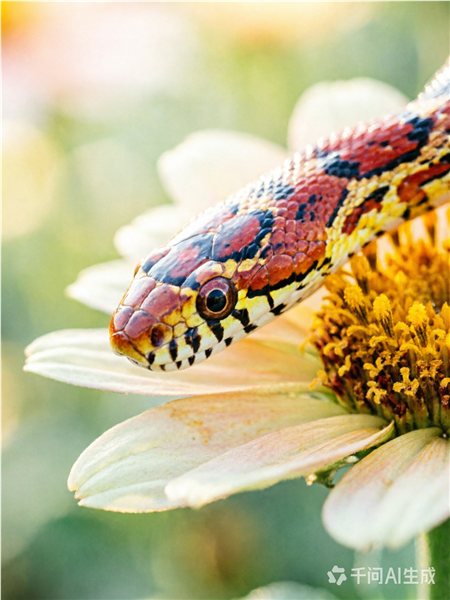
Another compelling theory points to the snake's stunning appearance. Many corn snake morphs, particularly the classic 'wild type' or 'Carolina' pattern, exhibit a beautiful checkered pattern of black-bordered red or orange blotches running down their backs against a background color ranging from gray to orange. To some observers, the ventral (belly) scales tell an even more convincing story. The belly often features a distinctive black-and-white checkerboard pattern.
This intricate belly pattern is said to resemble the pattern of kernels on an ear of 'Indian corn' or flint corn, which displays a multicolored mosaic of red, white, yellow, and black kernels. The comparison is poetic and visually striking, offering a natural-world explanation for the name that is based on aesthetics rather than ecology. It's likely that both theories – the habitat and the pattern – worked in tandem to cement the name in popular usage.
Etymology and Regional Names: Unraveling the History
Delving into historical records and regional vernacular provides further clues. The scientific name for the corn snake is Pantherophis guttatus, with 'guttatus' meaning 'spotted' or 'dappled' in Latin, a clear reference to its pattern. Before the widespread adoption of 'corn snake,' it was known by other names that reflected its habits and perceived dangers.
One common historical name was the 'red rat snake,' which accurately describes its diet (rodents) and its taxonomic family (Colubridae, which includes rat snakes). This name is still used interchangeably in some areas and by herpetologists. A more alarming misnomer was 'chicken snake,' as they were sometimes found in chicken coops hunting for rodents (and occasionally eggs or chicks). Most infamously, due to its somewhat similar coloration to the venomous copperhead (Agkistrodon contortrix), the harmless corn snake was often mistakenly called the 'red adder' or simply killed out of fear, a tragic case of mistaken identity that persists in some regions today.
The transition to 'corn snake' seems to have been a gradual process, favored for its distinctive and less threatening sound compared to names associated with rats or venomous snakes. It perfectly captured the snake's benign presence in a human agricultural setting.
Biology and Diet: What Corn Snakes Really Eat
To definitively dispel the myth, let's examine the corn snake's actual biology. Corn snakes are strict carnivores, or more specifically, saurophagous (reptile-eating) and mammalphagous (mammal-eating) predators. In the wild, their diet consists almost exclusively of small vertebrates:
- Rodents: Mice, rats, and voles are the staple. This is why they are so beneficial around farms.
- Birds: They are adept climbers and will raid nests for eggs, nestlings, and occasionally small adult birds.
- Lizards and Frogs: Particularly when young, corn snakes may consume anoles, skinks, and treefrogs.
They are constrictors, meaning they subdue their prey by coiling around it and applying pressure, not by using venom. They have no biological need, ability, or desire to digest plant matter like corn. The idea of a snake eating corn is biologically implausible due to their digestive systems, which are designed for processing high-protein animal matter.
Natural Habitat and Range: Beyond the Cornfield
While associated with farmland, the corn snake's natural habitat is far more diverse. They are native to the southeastern United States, ranging from New Jersey south through Florida and west to Kentucky, Louisiana, and parts of Texas. They are highly adaptable and can be found in:
- Pine Flatwoods and Forests: Utilizing fallen logs and stumps for shelter.
- Overgrown Fields and Meadow Edges: Ideal for hunting rodents.
- Rocky Outcrops and Hillsides: Using crevices for thermoregulation and hiding.
- Abandoned Buildings and Rural Structures: The modern equivalent of the corn crib.
- Hardwood Hammocks and Swamp Borders: Particularly in the southern parts of their range.
This adaptability is a key reason for their success both in the wild and in captivity. They are a terrestrial species that is also a proficient climber.
The Corn Snake in Captivity: A Perfect Pet
The corn snake's gentle temperament, manageable size (typically 4 to 5.5 feet), stunning variety of color morphs, and relatively straightforward care requirements have made it arguably the most popular pet snake in the world. Its name, with its friendly, agricultural connotations, undoubtedly adds to its appeal, making it seem less 'scary' to novice reptile keepers than a 'rat snake' or 'adder.'
Care Essentials Include:

- A secure, escape-proof enclosure (a 20-40 gallon tank for an adult).
- A thermal gradient with a warm side (85°F/29°C) and a cool side (75°F/24°C).
- Appropriate humidity (40-60%) and a humid hide for shedding.
- Hiding spots on both the warm and cool ends.
- A diet of pre-killed or frozen-thawed rodents, sized appropriately to the snake's girth.
The decades of captive breeding have produced an incredible array of morphs—from the snow-white 'Blizzard' to the deep orange 'Amelanistic' and the patterned 'Tessera'—far beyond the classic 'corn on the cob' belly pattern, yet the original name endures.
Conclusion: A Name Rooted in Coexistence
So, is the corn snake related to corn? Not as a food source, but profoundly as a part of a shared ecological and cultural landscape. The name 'corn snake' is a testament to a harmonious, if unintentional, partnership. These snakes moved into human-modified environments not to eat our crops, but to control the pests that threatened them. The name immortalizes this relationship and the snake's visually striking pattern that reminded people of their harvest.
It is a name born from observation, utility, and a touch of rural poetry. It transformed a potentially feared predator into a recognized, and even welcomed, tenant of the farm. In the world of herpetology and pet keeping, the corn snake's name has become a brand synonymous with accessibility, beauty, and a perfect introduction to the rewarding hobby of reptile care. Its origin story is a charming piece of natural history that continues to intrigue and educate enthusiasts around the globe.
Therefore, the next time you see a corn snake, whether in a terrarium or a nature documentary, you can appreciate its name not as a dietary label, but as a historical snapshot—a beautiful reminder of how wildlife and human agriculture have been intertwined for centuries, and how that relationship can sometimes yield a perfectly fitting, if unexpected, name.