Stepping into the world of reptile keeping can be both exciting and daunting. With so many species available, choosing the right first pet snake is crucial for a positive experience. For decades, one species has consistently topped the recommendation lists for beginners: the Corn Snake (Pantherophis guttatus). Their popularity is no accident. From their generally docile nature to their straightforward care, corn snakes offer an ideal introduction to herpetoculture. Let's delve into the key reasons why corn snakes are universally celebrated as the perfect starter snake.
1. Exceptionally Docile and Tolerable Temperament
The single most important factor for a beginner's pet snake is temperament. A nervous or aggressive snake can quickly discourage a new keeper. Corn snakes, when bred in captivity and handled regularly, are renowned for their calm and curious disposition. They are less prone to biting than many other species, and when they do, it's typically a harmless "tag" from a feeding response mistake rather than aggression. Their manageable size (which we'll discuss later) also makes them less intimidating to handle. A calm snake that tolerates handling is not only more enjoyable but also easier to examine for health issues, administer care, and simply bond with.
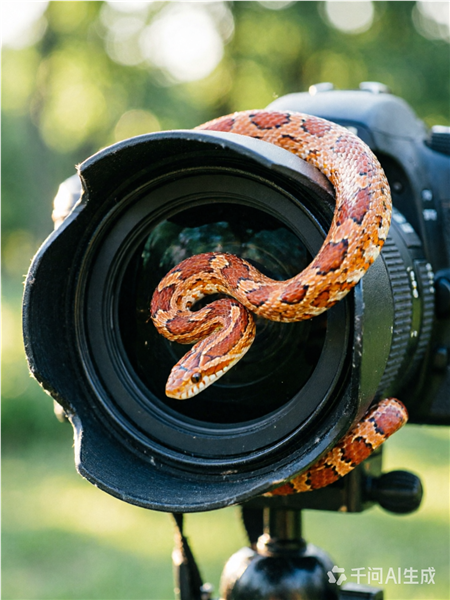
2. Straightforward and Forgiving Care Requirements
Corn snakes are remarkably hardy and adaptable, forgiving of the minor mistakes that all beginners inevitably make. Their environmental needs are well-documented and easy to replicate.
Habitat Setup
A simple setup suffices for a juvenile corn snake: a 20-gallon long tank or equivalent enclosure with a secure, ventilated lid. For adults, a 40-gallon breeder tank or a 4x2x2 foot enclosure is ideal. The essentials include:
- Substrate: Aspen shavings are a popular, safe, and affordable choice that allows for burrowing. Paper towels are excellent for quarantine or monitoring health.
- Heat: A thermal gradient is vital. One end should have a basking spot of 85-88°F (29-31°C) created by an under-tank heater or a ceramic heat emitter on a thermostat. The cool end should be around 70-75°F (21-24°C).
- Hides: At least two snug hides—one on the warm end and one on the cool end—are non-negotiable for security.
- Water: A heavy, tip-proof water bowl large enough for soaking should always be available.
Feeding Simplicity
Corn snakes are enthusiastic eaters of appropriately sized frozen-thawed rodents. A feeding schedule of one mouse every 7-10 days for juveniles and every 10-14 days for adults is typical. Their strong feeding response is a relief for beginners who might worry about a pet refusing food.
3. Manageable Size and Longevity
Corn snakes strike a perfect balance in size. They are substantial enough to feel like a "real snake" but not so large as to become cumbersome or dangerous. Adults typically reach 4 to 5.5 feet in length, with females often being larger. This size means their enclosures remain manageable in a typical home, and handling is safe for adults and supervised children. With proper care, corn snakes enjoy a respectable lifespan of 15 to 20 years, sometimes longer. This commitment is significant but less daunting than the 30+ years some larger constrictors can require.
4. Stunning Variety of Colors and Patterns (Morphs)
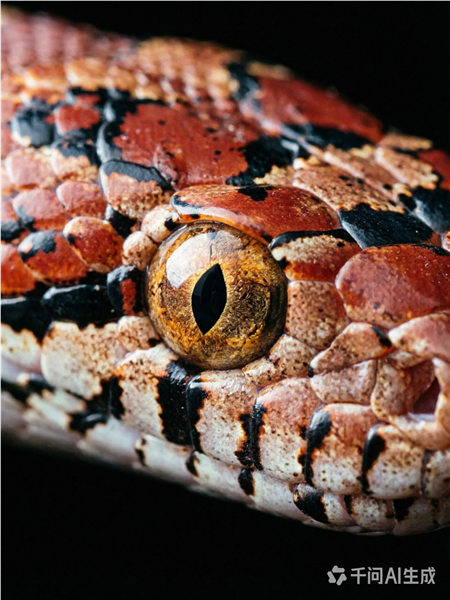
The wild-type corn snake is beautiful in its own right, with orange, black, and red saddles on a background of gray, tan, or orange. However, the world of corn snake "morphs" is where their appeal skyrockets. Selective breeding has produced an incredible array of colors and patterns—from the stark black and white of an Anerythristic to the vibrant pink and yellow of a Strawberry, or the patternless beauty of a Bloodred. This diversity allows beginners to choose a snake that truly reflects their personal aesthetic, making the hobby even more engaging. The availability of these morphs is also very high, with prices ranging from very affordable for common morphs to high-end for rare ones.
5. Robust Health and Hardiness
Corn snakes, when sourced from reputable breeders, are typically very healthy animals. They are not prone to a long list of species-specific ailments. The most common health issues—respiratory infections, mites, or regurgitation—are usually the result of suboptimal husbandry (incorrect temperature, humidity, or stress) and are often preventable and treatable. Their hardiness means they can bounce back from minor setbacks, giving a beginner keeper time to identify and correct problems.
6. Active and Engaging During Handling
Unlike some snakes that simply ball up or remain motionless when handled, corn snakes are often inquisitive. They will tongue-flick to explore their surroundings and gently glide through your hands. This active exploration makes handling sessions more interactive and rewarding. It's important to support their body fully and avoid handling for 48 hours after feeding to prevent stress and regurgitation.
7. Wide Availability and Educational Resources
Due to their immense popularity, corn snakes are readily available from pet stores, reptile expos, and dedicated breeders. This accessibility makes it easier to find a healthy, captive-bred specimen. Furthermore, the wealth of care guides, forum discussions, videos, and books dedicated to corn snakes is unparalleled for any beginner reptile. You will never be without an answer to a question, making the learning curve much less steep.
8. Cost-Effective to Acquire and Maintain
The initial setup cost for any reptile can be notable, but the ongoing costs for a corn snake are relatively low. After the initial investment in a proper enclosure, heating, and lighting, the recurring expenses are primarily for food (frozen mice, which are inexpensive when bought in bulk) and substrate. Veterinary costs are rare for a well-kept snake. Common morphs can be purchased for very reasonable prices, making them an accessible pet.
Conclusion: The Ideal Herpetological Ambassador
In summary, the corn snake's winning combination of a gentle temperament, simple care, manageable size, stunning beauty, and robust health solidifies its position as the ultimate beginner pet snake. It provides a fulfilling and educational experience without overwhelming the new keeper. By successfully caring for a corn snake, a beginner gains the confidence and knowledge that can serve as a foundation for a lifelong passion in reptile keeping, or simply the joy of a unique and fascinating pet for years to come. If you're considering your first serpentine companion, the corn snake is a choice you are unlikely to regret.
Frequently Asked Questions (FAQs)

Q: Are corn snakes venomous?
A: No. Corn snakes are completely non-venomous constrictors. They subdue their prey by coiling around it.
Q: How often do I need to handle my corn snake?
A> 1-2 times a week for 15-20 minutes is sufficient for taming and bonding. Always avoid handling during shedding or for 48 hours after feeding.
Q: What is the ideal humidity for a corn snake?
A: Aim for 40-50% general humidity. A slight increase to 60-70% is helpful when you see your snake's eyes turn blue (entering the shed cycle).
Q: Can I house two corn snakes together?
A: It is strongly discouraged. Corn snakes are solitary animals and cohabitation can lead to stress, competition for resources, and even cannibalism.
Q: What do I do if my corn snake refuses to eat?
A> First, ensure your temperatures and husbandry are correct. Double-check the mouse is fully thawed and warm. If the fast continues for more than a few weeks, consult an experienced keeper or a reptile veterinarian.