German Shepherd Dogs are renowned for their intelligence, loyalty, and versatility. However, their high energy levels, substantial size, and working dog heritage lead many prospective owners to ask a critical question: Is an apartment or multi-story building a suitable environment for raising a German Shepherd? The answer is not a simple yes or no, but rather a conditional "it depends." Successfully raising a German Shepherd in a building hinges entirely on the owner's unwavering commitment to meeting the breed's profound physical and psychological needs within the constraints of a confined living space. This article will provide a detailed explanation of the feeding environment requirements for German Shepherds, specifically tailored to apartment or building dwellers.
Understanding the Core Needs of the German Shepherd
Before assessing your building, you must understand what a German Shepherd inherently requires. Bred for herding and protection, they possess immense stamina, a sharp intellect, and a strong drive to work. These traits translate into non-negotiable needs: extensive daily physical exercise, rigorous mental stimulation, consistent training and socialization, and a strong sense of purpose. An environment that fails to provide these will lead to a frustrated, destructive, anxious, or even aggressive dog. The common problems of excessive barking, chewing, digging, and pacing are almost always symptoms of unmet needs, not inherent behavioral flaws.

Physical Space Assessment: The Indoor Arena
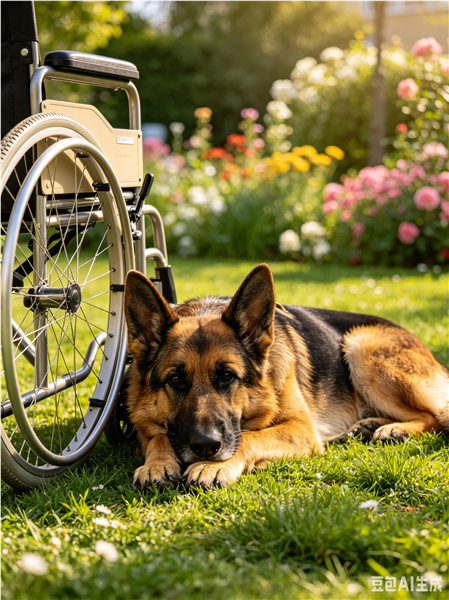
While a large backyard is ideal, the indoor space of your building unit is where your dog will spend a significant amount of time, especially when you are away or during extreme weather. The primary consideration is floor space. A German Shepherd is a large, active dog that needs room to stretch, play indoors, and move comfortably without constantly bumping into furniture. A studio apartment is generally unsuitable. A one or two-bedroom apartment can work, but it must be thoughtfully arranged. Create clear zones: a quiet resting area with a large, orthopedic bed away from high traffic; a designated feeding station; and an open play area. Secure balconies are NOT a substitute for indoor space or outdoor walks and pose significant safety risks (falling, heatstroke). The building itself must have sturdy, non-slip flooring to protect your dog's joints during play.
The Non-Negotiable: Daily Exercise Regimen
This is the single most critical factor for building suitability. A simple walk around the block is grossly insufficient. A German Shepherd typically requires a minimum of 90 to 120 minutes of vigorous, structured exercise every single day. This must be a combination of leash walking, off-leash running (in secure areas), and high-intensity activities. As a building dweller, you must have a concrete plan for this. This means utilizing nearby parks, dog runs, or open fields. Activities should include long jogs or bike rides, fetch sessions with a ball or frisbee, and swimming if possible. Rain, cold, or your busy schedule are not excuses. Failure to provide this outlet will result in pent-up energy being redirected onto your walls, furniture, and sanity.
Mental Stimulation: Exercising the Brain
A tired German Shepherd is a good German Shepherd, but they need to be mentally tired as well as physically tired. Their brilliant minds crave challenges. In a building environment, where natural stimuli may be limited, you must proactively provide enrichment. This includes daily training sessions (10-15 minutes, multiple times a day) teaching new commands, tricks, or practicing obedience. Food-dispensing puzzle toys, snuffle mats, and frozen Kongs are essential tools to make mealtime a brain game. Hide-and-seek games with toys or treats around the apartment engage their natural scenting abilities. Consider enrolling in advanced training classes like agility, nosework, or protection sports (where appropriate) to give them a true "job."

Behavioral Considerations in a Shared Building
Living in close proximity to neighbors imposes additional responsibilities. Barking: German Shepherds are alert barkers. Boredom and under-stimulation will exacerbate this. Proper exercise and training are the first line of defense. You must also actively train a "quiet" command and manage triggers (like people passing the door). Soundproofing your door with weather stripping can help. Meeting Neighbors and Dogs: Hallways, elevators, and lobbies are tight spaces. Your German Shepherd must be impeccably trained to not jump on people, to walk calmly on a leash without reacting to other dogs or residents, and to wait patiently for elevators. Early and ongoing socialization is paramount. Staircases and Elevators: Repeatedly climbing many flights of stairs can be hard on developing joints in puppies and may exacerbate hip issues in adults. For high floors, using the elevator is often safer, but your dog must be trained to enter and exit calmly.
Logistical Realities: The Owner's Lifestyle
Ask yourself these honest questions: Are you away from home for 9+ hours a day? If so, a German Shepherd in an apartment is a poor choice, even with a dog walker. The prolonged confinement is cruel for this breed. Do you have an active, outdoor-oriented lifestyle that naturally incorporates a dog? Are you financially prepared for potential costs related to noise complaints or damage deposits? Do you have a reliable support system for days when you are ill or overwhelmed? Your personal energy and commitment must match or exceed that of the dog.
Creating an Enriching Indoor Environment
Transform your apartment into a canine enrichment center. Install a window perch (secured) so they can watch the world outside safely. Rotate toys to keep them novel. Use calming aids like Adaptil diffusers if they show signs of anxiety when alone. Establish a predictable routine for feeding, walks, and playtime, as structure provides security. Provide durable, appropriate chew toys to satisfy their natural urge to gnaw and protect your belongings.
Puppy vs. Adult Dog Considerations
Raising a German Shepherd puppy in a building is exponentially more challenging. They require potty breaks every 1-2 hours, which means immediate access to the outdoors. If you live on the 20th floor, this becomes a major logistical nightmare. The critical socialization period (8-16 weeks) requires exposing the puppy to countless sights, sounds, and surfaces, which requires diligent trips in and out of the building. An adult, already trained German Shepherd from a rescue or reputable breeder who is assessing re-homing may be a more manageable choice, as their bladder control and basic manners are established.
Conclusion: It's About Commitment, Not Square Footage
So, is a building suitable for raising a German Shepherd Dog? The physical building itself is less important than the human environment within it. A small apartment with a dedicated, active, and creative owner who provides 2+ hours of daily engagement can be a far better home than a large house with a neglectful owner. The building is merely a sleeping and resting base; the world outside its doors must become your dog's playground, training field, and enrichment zone. If you can commit to a lifestyle centered around fulfilling your German Shepherd's profound needs for movement, work, and companionship—regardless of your postal address—then you can make it work. If your lifestyle is sedentary, your time is limited, or you simply want a low-maintenance pet, then this breed, regardless of your housing type, is not the right choice for you. The suitability lies not in the floor plan, but in the plan you make for your dog's life.