Key Points for Raising and Management of Adult Border Collies in Four Seasons
The Border Collie, renowned as one of the most intelligent and energetic dog breeds, requires dedicated, seasonally-aware care to thrive. As an adult, their needs shift from puppyhood, focusing on maintaining peak physical condition, mental sharpness, and overall well-being. Their management is not a one-size-fits-all endeavor; it must adapt to the changing temperatures, daylight hours, and environmental conditions of each season. This comprehensive guide delves into the essential practices for raising a happy, healthy adult Border Collie through the cyclical journey of the year.
Spring: Renewal, Shedding, and Revitalized Activity
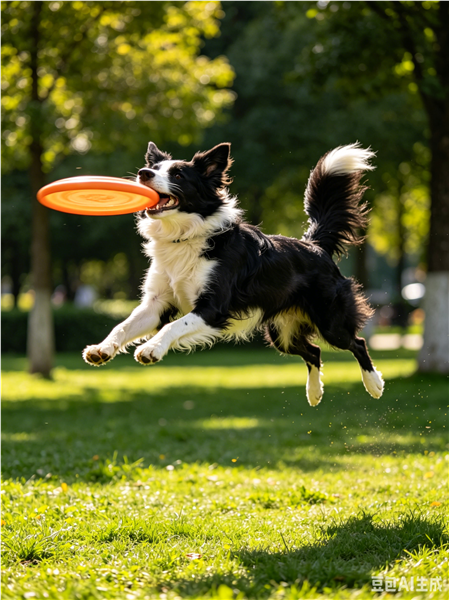
Spring signals a time of renewal and increased activity for both nature and your Border Collie. As daylight extends and temperatures become milder, your dog's energy levels will naturally rise.
Grooming and Coat Care: Spring is the primary shedding season for the Border Collie's dense double coat. The thick winter undercoat begins to loosen in preparation for warmer weather. Daily brushing is non-negotiable during this period. Using an undercoat rake or a deshedding tool followed by a slicker brush will help remove the dead hair efficiently, preventing painful mats and reducing the amount of hair circulating in your home. This process also stimulates the skin and promotes healthy new hair growth. A thorough bath with a dog-specific shampoo can help loosen remaining undercoat, but ensure your Collie is completely dry to the skin to prevent hotspots.
Exercise and Training: With the improved weather, it's the perfect time to expand exercise routines. Long walks, hikes on nature trails, and extended sessions of fetch or frisbee in open fields are ideal. Border Collies excel at agility, so consider setting up a backyard agility course or joining a local club. Spring is also an excellent time to introduce new training challenges or advanced obedience commands to engage their brilliant minds. Be mindful of spring allergies; watch for signs of itchy skin or paws, and consult your vet if symptoms appear.
Health and Parasite Prevention: As ticks and fleas become active, ensure your parasite prevention regimen is up-to-date. Spring is a crucial time for a veterinary check-up to discuss heartworm prevention (transmitted by mosquitoes) and update core vaccinations. Check your yard for any toxic plants that may have sprouted, such as certain bulbs (e.g., daffodils, tulips).
Summer: Beat the Heat, Hydration, and Safe Fun
Summer presents specific challenges for a breed with a thick coat and boundless energy. The primary focus shifts to heat management and safety.
Temperature and Exercise Management: Border Collies are prone to overheating. Never exercise them during the peak heat of the day (10 a.m. to 4 p.m.). Schedule vigorous activities for early morning or late evening when it's cooler. Asphalt and sand can burn paw pads; test surfaces with the back of your hand. Always provide access to fresh, cool water during and after activity. Signs of heatstroke include excessive panting, drooling, bright red gums, lethargy, and collapse. This is a medical emergency requiring immediate veterinary care.
Cooling Strategies and Grooming: Contrary to popular belief, never shave a Border Collie's double coat. It provides insulation against both cold AND heat, protecting them from sunburn. Regular brushing remains important to remove dead hair and allow air to circulate close to the skin. Provide cooling aids like a kiddie pool for splashing, cooling mats to lie on, and frozen treats (e.g., broth ice cubes). Ensure they have access to shaded, well-ventilated areas at all times.
Diet and Hydration: Appetite may decrease in extreme heat. Offer smaller, cooler meals. Hydration is paramount; always carry water on outings. Be extra vigilant about leaving dogs in cars—temperatures can become lethal within minutes, even with windows cracked.
Autumn: Preparation, Maintenance, and Mental Engagement
Autumn is a transitional season of preparation for the colder months ahead, while enjoying the crisp, comfortable weather.
Exercise and Environmental Changes: The cooler temperatures make autumn one of the best seasons for Border Collie activities. Long hikes, running alongside a bike (with proper training and safety gear), and advanced agility training are perfect. Be aware of seasonal hazards: many mushrooms that appear are toxic, and rodents seeking shelter may lead to increased use of rodenticides, which are poisonous to dogs. Keep your Collie leashed in areas where these risks are present.
Grooming and Coat Transition: Your dog will begin growing their winter undercoat. Continue regular brushing to manage this growth and distribute natural skin oils. This is a good time for a pre-winter bath and a thorough check of ears, teeth, and nails. Pay attention to paw care as salt and grit may soon be on the roads; consider using a protective paw balm.

Mental Stimulation: As daylight wanes, you may spend less time outdoors. Compensate with increased indoor mental exercise. Food puzzle toys, hide-and-seek games with treats, and learning new tricks or names for toys are excellent. Nose work games, where they search for a hidden scent, are particularly tiring for this intelligent breed. A consistent routine helps them adjust to the changing light.
Winter: Protection, Moderation, and Indoor Enrichment
Winter demands a focus on protection from the elements while ensuring your high-energy dog gets sufficient physical and mental stimulation.

Cold Weather Safety and Exercise: While their coat provides good insulation, Border Collies can still get cold, especially in wet, windy, or sub-zero conditions. Limit outdoor time in extreme weather. Shorter, more frequent walks may be better than one long, freezing outing. Consider a waterproof and insulated dog coat for very cold or wet climates, especially for dogs that are lean or less active. Always wipe down paws and the underbelly after walks to remove ice, salt, and chemical de-icers, which can be irritating and toxic if ingested. Use pet-safe ice melt on your property.
Indoor Exercise and Mental Challenges:
Indoor Exercise and Mental Challenges: This is the season for creativity. Create indoor obstacle courses using cushions and chairs. Play fetch in a long hallway. Tug-of-war is a great energy burner. Increase the complexity of puzzle feeders. Short, focused training sessions several times a day can be more effective than one long session. Consider dog sports like indoor flyball or obedience classes to maintain social and physical activity. Diet and Health Monitoring: Dogs may burn more calories to stay warm, but if outdoor activity decreases significantly, monitor their weight closely to avoid gain. Ensure they have a warm, draft-free bed away from cold floors. Dry winter air can lead to itchy skin; a humidifier can help, and discuss supplements like omega fatty acids with your vet. Be alert for signs of hypothermia (shivering, weakness, shallow breathing) during outdoor activities. Beyond seasonal adjustments, several core principles remain constant for adult Border Collie care. Nutrition: Feed a high-quality diet appropriate for a highly active, medium-sized breed. The exact amount varies by individual metabolism, activity level, and season. Consult your veterinarian to determine the ideal calorie intake and to select a food that supports joint health and sustained energy. Veterinary Care: Maintain annual wellness exams, keep vaccinations and parasite control current, and establish a dental care routine (brushing, dental chews, professional cleanings as advised). Discuss breed-specific screenings with your vet, such as for hip dysplasia or eye conditions like Collie Eye Anomaly. Training and Socialization: An adult Border Collie still needs ongoing mental challenges and reinforcement of obedience. Continue socialization to prevent shyness or reactivity. Their herding instinct is strong; manage it through appropriate outlets like herding balls or structured activities, rather than allowing it to manifest as chasing cars or nipping at children's heels. The Bond: Ultimately, the key to managing a Border Collie in any season is a deep, communicative bond. They are sensitive dogs that thrive on partnership and purpose. By understanding and adapting to their seasonal needs, you provide not just care, but a fulfilling life for your extraordinary canine companion. This proactive, attentive approach ensures your Border Collie remains a vibrant, healthy, and well-behaved member of your family through every turn of the calendar.Year-Round Fundamentals