German Shepherd Dog Daily Exercise Standard: A Must-See Reference for Breeding
The German Shepherd Dog (GSD) is a breed synonymous with intelligence, loyalty, and formidable work ethic. Bred originally for herding and guarding, their genetics are hardwired for high levels of physical and mental activity. For breeders, prospective owners, and current caregivers, understanding and implementing a precise daily exercise standard is not a luxury—it is a fundamental pillar of responsible breeding and ownership. Failure to meet these needs can lead to a cascade of physical, mental, and behavioral issues that undermine the very qualities that make the breed exceptional. This guide serves as an essential reference, detailing the exercise standards crucial for developing and maintaining a sound, stable, and thriving German Shepherd.
Why Exercise is Non-Negotiable for the German Shepherd
Before delving into the "how much," it's critical to understand the "why." The German Shepherd is a purpose-built canine athlete. Their physiology and psychology demand sustained output.
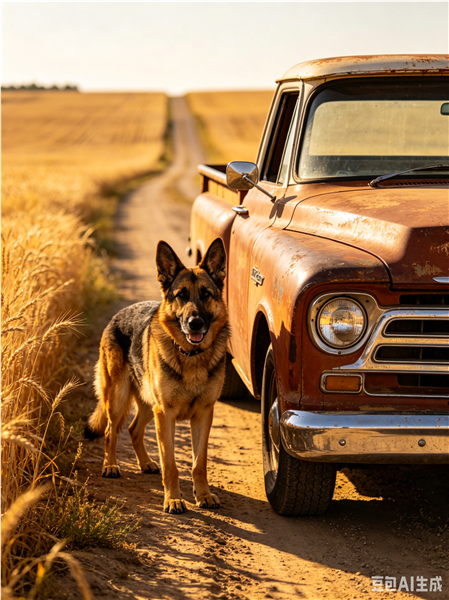
Physical Health: Regular, structured exercise maintains lean muscle mass, supports healthy joint and bone development (especially crucial for a breed prone to hip and elbow dysplasia), promotes cardiovascular fitness, and aids in weight management. Obesity in GSDs exacerbates orthopedic issues and strains the body.
Mental Well-being: More than many breeds, German Shepherds possess a keen, active mind. Physical exercise alone is insufficient. Without mental stimulation, they become bored, which is the root cause of most destructive and problematic behaviors. Exercise that challenges their brain is as tiring as physical exertion.
Behavioral Stability: A tired German Shepherd is a good German Shepherd. Pent-up energy frequently manifests as excessive barking, chewing, digging, hyperactivity, anxiety, and even reactivity or aggression. Adequate exercise is the most effective preventative behavioral medicine.
Strengthening the Bond: Shared activities like training, hiking, and play build trust, communication, and a deep partnership between dog and handler, fulfilling the breed's desire to work alongside their human.

Breaking Down the Daily Exercise Standard
The standard is not a one-size-fits-all number of minutes. It is a holistic blend of duration, intensity, type, and mental engagement, tailored to the dog's life stage and individual temperament.
1. The Puppy (8 Weeks - 18 Months)
Philosophy: Less about endurance, more about controlled, structured play and foundational training. A puppy's growing joints are vulnerable. Over-exercising on hard surfaces can cause lifelong damage.

Structured Exercise: Short, frequent sessions are key. The general guideline is 5 minutes of formal, leashed walking or gentle play per month of age, twice daily. For example, a 4-month-old puppy could handle 20-minute sessions. Focus on soft surfaces like grass.
Mental Exercise & Socialization: This is the priority. Short training sessions (5-10 minutes) multiple times a day teaching basic obedience, impulse control, and tricks. Exposure to novel sights, sounds, people, and other vaccinated dogs in a positive way is critical mental work. Puzzle feeders, snuffle mats, and hide-and-seek games with toys are excellent.
Total Daily Activity: 30-45 minutes of structured physical activity, broken into sessions, plus 60+ minutes of mental/socialization activities throughout the day.
2. The Adult (1.5 - 7 Years)
Philosophy: This is the peak performance window. Adult GSDs require the most robust and varied exercise regimen to stay in optimal condition.
Structured Physical Exercise: Minimum 90-120 minutes per day. This should include:
- Brisk Walking/Jogging: 45-60 minutes of sustained, purposeful movement. Not a meandering sniffari, but a walk with a pace that elevates the heart rate.
- High-Intensity Activity: 20-30 minutes of running, fetching (with rest breaks), flirt pole use, or swimming (an excellent low-impact exercise).
- Skill-Based Training: 20-30 minutes of obedience drills, agility practice (jumps low for beginners), or bite work/schutzhund training for dogs in that discipline. This blends physical and mental exertion perfectly.
Mental Stimulation: Minimum 30-60 minutes per day. This is in addition to training. Advanced obedience tasks, new trick training, scent work (hiding treats or toys), complex puzzle toys, and structured play that involves problem-solving.
Total Daily Activity: 2-3 hours of combined physical and dedicated mental exercise. This should be the benchmark for a healthy adult GSD.
3. The Senior (7+ Years)
Philosophy: Quality over quantity, consistency over intensity. The goal is to maintain mobility, muscle tone, and cognitive function while managing age-related conditions like arthritis.
Structured Physical Exercise: 60-90 minutes per day, adjusted for the individual's health. Multiple shorter, slower walks are better than one long, strenuous one. Focus on soft, even terrain. Swimming is fantastic for seniors. Monitor for stiffness or pain.
Mental Stimulation: Remains critically important. 30+ minutes per day. Gentle training sessions to keep the mind sharp, simple scent games, and interactive toys adapted for their potentially lower energy and mobility. Mental work can tire them effectively without joint stress.
Total Daily Activity: 1.5 - 2 hours of low-impact, tailored activity. Regular veterinary check-ups are essential to tailor the regimen.
Components of a Balanced Exercise Regimen
Meeting the time requirement is only half the battle. The content matters immensely.
A. Cardiovascular Exercise: Walking, jogging, hiking, swimming. Builds endurance and heart health.
B. Strength & Agility Training: Hill work, controlled jumping over low obstacles, balance exercises (paws on an unstable surface), weave poles. Builds muscle, protects joints, and enhances coordination.
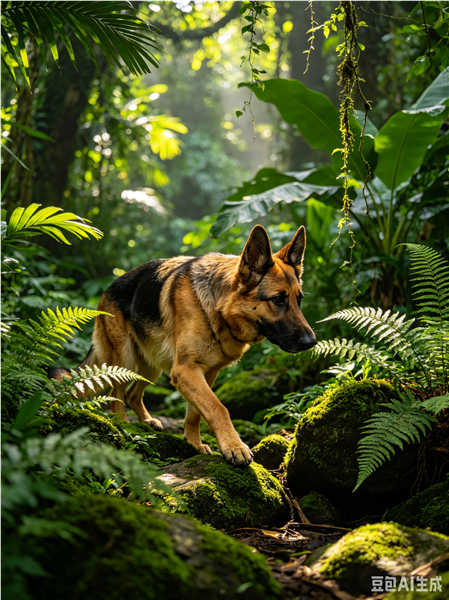
C. Mental Work (The True Exhaustion):
- Obedience Training: Reinforcing known commands with distractions, learning new ones.
- Nose Work: Hiding treats or a favorite toy and having them search. Taps into their powerful scent drive.
- Problem-Solving Toys: Kongs stuffed with food, advanced puzzle boxes.
- Impulse Control Games: "Leave it," "wait" for food/toys, calm settling on a mat.
D. Social & Play Exercise: Controlled play with known, compatible dog friends. Tug-of-war with rules (drop on command). This satisfies social needs and provides explosive energy release.
Consequences of Inadequate Exercise
For breeders, understanding these consequences is vital for counseling puppy buyers and ensuring your breeding program produces dogs suited for active homes.
- Destructive Behavior: Chewing furniture, digging craters, destroying landscaping.
- Hyperactivity & Nuisance Behaviors: Incessant barking, jumping, mouthing, pacing.
- Anxiety & Stress: Separation anxiety, noise phobias, generalized nervousness.
- Reactivity/Aggression: Frustration from unused energy can boil over into leash reactivity, territorial aggression, or other forms of aggression.
- Physical Decline: Weight gain, muscle atrophy, worsening of genetic joint conditions, poor cardiovascular health.
Breeder-Specific Considerations & Recommendations
As a breeder, you set the foundation and the expectations.

1. Early Neurological Stimulation & Early Scent Introduction: Begin in the whelping box. These protocols enhance stress tolerance and neural development, creating puppies better equipped to handle physical and mental challenges.
2. Puppy Culture/Avidog Protocols: Implement structured early socialization and enrichment programs. Expose puppies to varied, safe surfaces, obstacles, sounds, and problem-solving scenarios from 3-16 weeks.
3. Educate Buyers Thoroughly: The exercise requirement must be a central, non-negotiable point in buyer interviews and contracts. Provide a written guide, like this one, to new owners. Screen homes for their ability and commitment to provide this level of activity for the dog's entire life.
4. Lead by Example: Demonstrate to puppy visitors how you engage your adult dogs and puppies in appropriate mental and physical games. Show them what a "tired, happy Shepherd" looks like.

5. Breeding for Soundness: Prioritize breeding stock with not only physical soundness (excellent hip/elbow scores) but also stable, trainable temperaments that can channel energy productively. A neurotic, high-strung dog will be exponentially harder for an owner to manage, even with exercise.
Sample Daily Schedule for an Adult German Shepherd
Morning (45 mins): 30-minute brisk walk/jog + 15 minutes of obedience training (heeling, recalls, stays) in the yard.
Mid-Day (30 mins): Mental session. Food-stuffed Kong or a 20-minute scent work game indoors, followed by a 10-minute chew/rest period.
Evening (60+ mins): 30-minute visit to a secure field for high-intensity fetch or flirt pole play. 15 minutes of agility or skill training (weaves, jumps, retrieve). 15-minute cool-down walk and hydration.
Throughout the Day: Short, impromptu 2-3 minute training drills (a "down-stay" while you make coffee, a quick "touch" command session).
In conclusion, the German Shepherd Dog's daily exercise standard is rigorous and non-negotiable. It is a blend of endurance, strength, skill, and cognitive challenges. For breeders, instilling these requirements from the earliest days and rigorously educating potential owners is a critical ethical duty. For owners, meeting this standard is the key to unlocking the magnificent potential of the breed—resulting in a healthy, balanced, and deeply bonded companion. A properly exercised German Shepherd is not just a pet; it is a testament to the successful partnership between human purpose and canine capability.