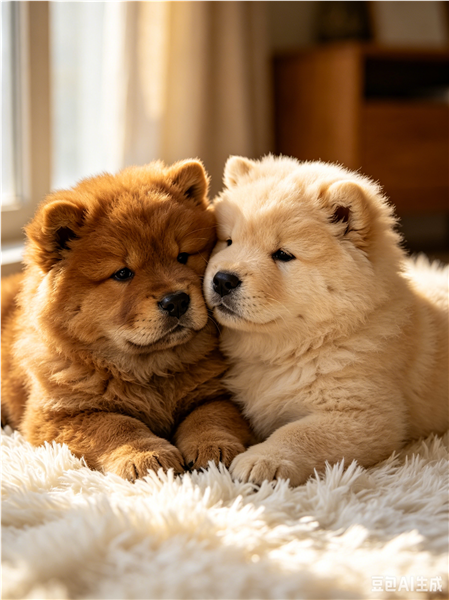
Bringing home a Chow Chow puppy is an exciting journey filled with fluffy cuddles and unique companionship. Known for their lion-like mane and aloof dignity, Chow Chows require specific care, especially during their crucial first six months. This guide will walk you through the essential feeding priorities and care practices to ensure your Chow Chow puppy grows into a healthy and well-adjusted adult dog.
The First Week: Neonatal Stage (0-2 Weeks)
The first two weeks of a Chow Chow puppy's life are the neonatal period. Puppies are completely dependent on their mother. Their primary priorities are feeding, warmth, and sleep.
Feeding Priority: Exclusive mother's milk. Colostrum, the first milk, is vital as it provides essential antibodies for immune system development. If the mother is unavailable or unable to feed, consult your veterinarian immediately for a suitable puppy milk replacer formula. Never feed cow's milk.
Care Tips: Ensure the whelping box is warm, clean, and draft-free. Puppies cannot regulate their body temperature yet. Handle the puppies minimally and only under the mother's comfort level to avoid stress.
Transitional Stage and Weaning (3-8 Weeks)
This period marks significant development: eyes and ears open, teeth begin to erupt, and puppies start to walk and play. Weaning typically begins around week 3-4.
Feeding Priority: Introduction to solid food. Start the weaning process by offering a high-quality puppy food soaked in warm water or puppy formula to create a mushy gruel. Choose a formula specifically for large-breed puppies if available, as it helps control growth rate to protect developing joints.
Weaning Process:
- Week 3-4: Introduce the gruel 1-2 times daily. Let puppies explore it by licking it from your finger or a shallow dish.
- Week 5-6: Gradually increase the frequency to 3-4 meals a day. Slowly reduce the liquid content to make the food less soupy.
- Week 7-8: Puppies should be fully weaned and eating dry or moistened kibble for 4 meals a day. They should still have access to their mother for comfort, but nutritionally they are independent.
Nutritional Focus: Look for puppy food with high-quality protein sources (like chicken, lamb, or fish), DHA for brain and vision development, and balanced calcium and phosphorus for bone health. The protein content should be appropriate, not excessively high.
The Critical Socialization and Growth Phase (2-4 Months)
This is arguably the most important phase for your Chow Chow puppy. They are rapidly growing and their personality is forming. Socialization is key to preventing the breed's natural aloofness from turning into fearfulness or aggression.
Feeding Priority: Consistent, scheduled meals. Feed 3 to 4 times a day. Stick to the puppy food chosen during weaning to avoid gastrointestinal upset. Portion control is crucial—follow the guidelines on the food package based on your puppy's current weight and projected adult weight, adjusting as needed. Chow Chows can be prone to obesity, so avoid free-feeding.
Growth & Health: Your puppy will receive a series of vaccinations and deworming during this period. Discuss a schedule with your vet. Rapid growth requires joint support; avoid excessive running on hard surfaces or jumping from heights. Provide gentle play and short walks.
Socialization Priority: Expose your Chow Chow puppy positively to various people, sounds, environments, and other vaccinated dogs. Make every new experience rewarding with treats and praise. This builds confidence and shapes a well-mannered adult dog.
Establishing Juvenile Routine (4-6 Months)
Your Chow Chow puppy is becoming more coordinated and independent. Teething is in full swing, so they will have a strong urge to chew.
Feeding Priority: You may reduce feeding to 3 meals a day. Continue with large-breed puppy formula. Monitor their body condition score—you should be able to feel their ribs without seeing them. Their appetite may fluctuate during teething.
Teething Solutions: Provide plenty of safe, durable chew toys like rubber Kongs or chilled chew toys to soothe sore gums. This will also save your furniture and shoes. Never give weight-bearing bones like beef bones, as they can crack teeth.
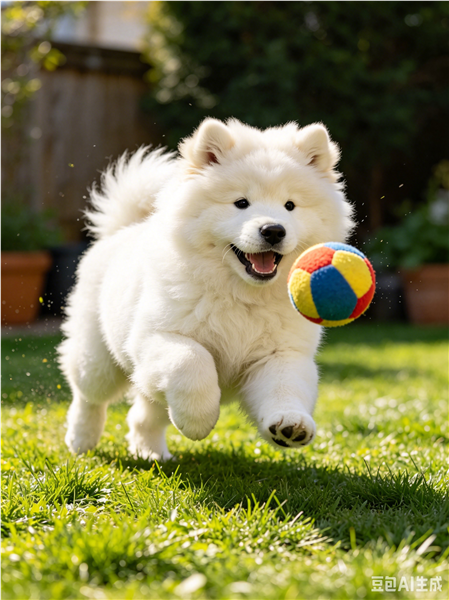
Training & Exercise: Chow Chows are intelligent but can be stubborn. Use positive reinforcement methods (treats, praise) consistently. Keep training sessions short and fun. Exercise needs increase but should remain controlled; several short walks and play sessions per day are better than one long, exhausting one.
Feeding Guidelines and What to Avoid
Portion Control: Always measure food. Adjust portions based on growth, activity level, and the food's calorie density. Your veterinarian is your best resource for determining the ideal weight for your puppy.
Foods to Avoid: Never feed your Chow Chow puppy: chocolate, grapes, raisins, onions, garlic, xylitol (an artificial sweetener), caffeine, alcohol, or cooked bones. These are toxic or hazardous.
Treats: Use treats sparingly for training. They should not constitute more than 10% of the puppy's daily caloric intake. Opt for healthy options like small pieces of their kibble, carrot sticks, or commercial training treats.
Water: Provide fresh, clean water at all times. Chow Chows, with their thick coats, are prone to overheating, so hydration is essential.
Common Health Considerations for Chow Chow Puppies
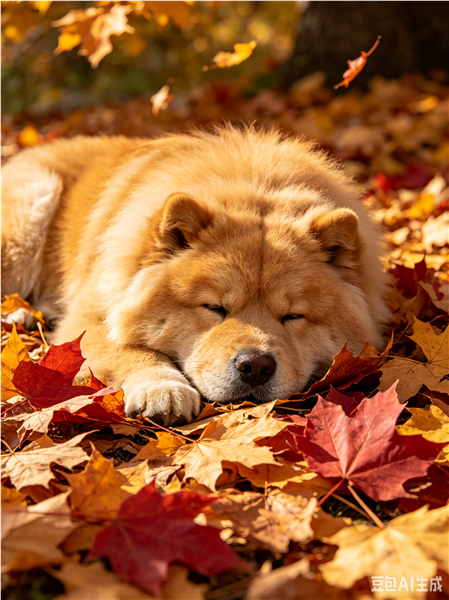
Hip and Elbow Dysplasia: A common concern in large breeds. Maintaining a lean body condition, providing appropriate nutrition, and avoiding excessive strain on joints during growth can help reduce risk.
Entropion: This eyelid condition is prevalent in Chow Chows. Watch for signs of eye irritation, squinting, or discharge, and consult your vet promptly.Skin and Coat Care: Their dense double coat requires regular grooming to prevent matting, even as puppies. Start brushing sessions early to get them accustomed to the process. Bathing should be infrequent to preserve natural oils.Preparing for Adolescence (6 Months+)
By six months, your Chow Chow puppy has laid the foundation for its future health and temperament. You will transition to 2 meals a day soon. Continue with large-breed puppy food until they reach skeletal maturity, typically between 12-18 months, as advised by your veterinarian. Spaying or neutering discussions should happen with your vet, considering the latest research on large-breed development.
Raising a Chow Chow puppy requires patience, consistency, and an understanding of the breed's specific needs. By prioritizing proper nutrition, controlled growth, and extensive socialization during these first six months, you are gifting your fluffy companion the best possible start for a long, healthy, and happy life by your side. Always partner with a veterinarian familiar with the breed to create a tailored care plan for your unique puppy.