The corn snake (Pantherophis guttatus) is one of the most popular pet reptiles in the world, renowned for its docile temperament, manageable size, and stunning array of color morphs. A common question from prospective and new owners alike is a fundamental one regarding safety: Are corn snakes venomous? The short, unequivocal answer is no, corn snakes are not venomous. They are completely harmless to humans from a toxicological perspective. This article will delve deep into the biology behind this answer, explore what really happens during a corn snake bite, and provide essential context for understanding these fascinating creatures.
The Biology of a Constrictor: Why Corn Snakes Lack Venom
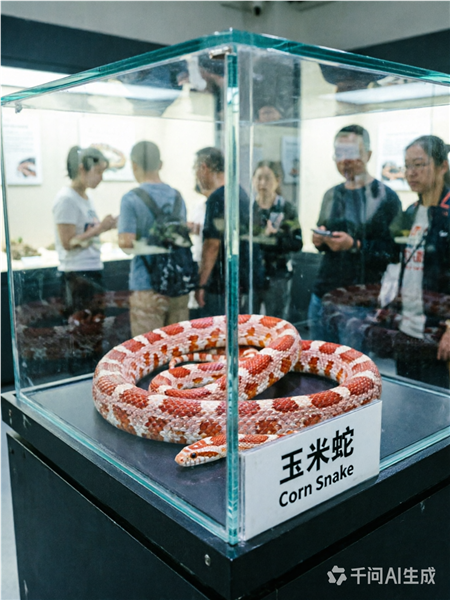
Corn snakes belong to the family Colubridae, a large and diverse family where most species are non-venomous. They are classified as constrictors. Their primary method of subduing prey in the wild is not through injecting toxins, but through powerful muscular coils. A corn snake will strike at a mouse, rat, or small bird, seize it with its numerous small, recurved teeth, and immediately wrap its body around the prey. It then tightens its coils each time the prey exhales, leading to circulatory arrest and ultimately suffocation. This highly efficient method renders venom unnecessary for their survival.
From an evolutionary standpoint, developing and maintaining a complex venom delivery system—comprising specialized glands, potent toxins, and modified fangs—requires significant biological resources. For a snake like the corn snake, which evolved to thrive on small rodents abundant in fields and forests of southeastern North America, constriction was the more energy-efficient adaptation. Their teeth are designed for gripping, not injecting. They have rows of small, needle-like teeth that curve backward, ensuring prey cannot easily escape their grasp once bitten. These teeth can cause superficial punctures or scratches if a snake bites a human, but they cannot deliver venom because no venom glands or ducts are present.
Anatomy of a Harmless Bite: What to Expect
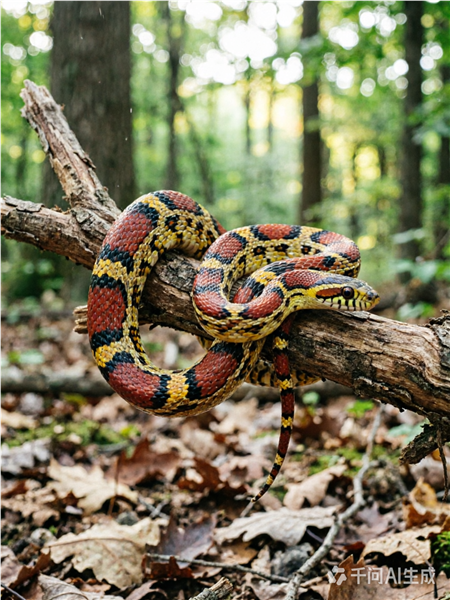
While corn snakes are famously gentle, bites can occasionally happen, usually due to stress, mistaken identity (especially during feeding), or improper handling. Understanding the reality of a corn snake bite is crucial for dispelling fear.
A defensive bite from a startled corn snake is typically a quick 'tag'—a rapid strike and immediate release. It feels like a series of sharp pinpricks or being scratched by thorny brush. There might be minor bleeding, slight swelling, or redness due to the superficial punctures and natural bacteria in the snake's mouth. A feeding response bite, where the snake mistakes your hand for food, is different. The snake will latch on and may attempt to constrict. This can be more startling and the small teeth may cause slightly more pronounced scratches as the snake tries to reposition its grip.
Treatment is straightforward and mirrors that of any minor wound:
- Remain Calm: Do not jerk your hand away, as this can damage the snake's teeth or tear your skin. Gently place the snake back in its enclosure or, if latched, use a trickle of water on its snout or a gentle pry with a blunt object (like a credit card) at the corner of its mouth to encourage release.
- Clean the Wound: Wash the area thoroughly with warm water and antibacterial soap.
- Disinfect: Apply an over-the-counter antiseptic like iodine or hydrogen peroxide.
- Bandage: Cover with a clean bandage if needed.
- Monitor: Watch for signs of infection (excessive redness, swelling, pus, fever), though this is exceedingly rare. Consult a doctor if any concerning symptoms develop, but a tetanus shot is generally only recommended if yours is not up to date.
The key takeaway is that the primary risk is a minor bacterial infection, not envenomation. The bite poses no systemic toxic danger.
Corn Snakes vs. Venomous Look-Alikes: The Importance of Proper Identification
One of the reasons the question of venom persists is due to the corn snake's superficial resemblance to the venomous copperhead (Agkistrodon contortrix). This confusion has sadly led to the unnecessary killing of many harmless corn snakes. Here’s how to tell them apart:
- Head Shape: Corn snakes have a narrow, elongated head that blends smoothly into the neck. Copperheads have a broad, triangular, arrow-shaped head distinct from the neck, a common feature in many pit vipers due to their venom glands.
- Eye Shape and Pit: Corn snakes have round pupils. Copperheads have vertical, elliptical pupils (like a cat's eye) and a distinct heat-sensing 'pit' between the eye and nostril, which corn snakes lack.
- Pattern: Corn snake blotches are typically outlined in black with a center that fades to a lighter color. Their pattern is often described as 'saddles.' Copperhead patterns are hourglass-shaped bands that are wider on the sides and narrow on the back. Their coloration is more coppery-tan with darker, richer brown bands.
- Behavior: When threatened, corn snakes usually flee or remain motionless. They may vibrate their tail in dry leaves to mimic a rattlesnake. Copperheads are more likely to stand their ground and may deliver a defensive venomous bite.
Always remember the adage: "Red touches yellow, kill a fellow; red touches black, friend of Jack" applies to coral snakes, not corn snakes or copperheads. For corn snakes, focus on head shape and pupil type for a quick, reliable distinction from pit vipers.
Safety and Best Practices for Corn Snake Owners
Ensuring a safe and positive experience with your corn snake involves simple, common-sense practices that minimize stress for both you and the animal, thereby reducing the already low risk of a bite.
1. Proper Handling Techniques: Always approach your snake calmly and with confidence. Support its body fully, allowing it to move freely through your hands. Avoid handling for 48 hours after feeding, during shedding, or when the snake appears stressed. Wash your hands before and after handling—this removes food smells that might trigger a feeding response and protects you from any bacteria.
2. Feeding Protocols: This is the most common scenario for mistaken identity bites. Always use feeding tongs to offer pre-killed or thawed frozen rodents. Never feed your snake directly from your hand. Consider feeding in a separate, simple enclosure (like a plastic tub) to dissociate your hand from feeding time in the snake's primary habitat. If you choose to feed in the main enclosure, use the tongs to clearly present the food and avoid reaching in with your hand during or immediately after the snake has eaten.
3. Reading Your Snake's Body Language: Learn the signs of stress or defensiveness: rapid, jerky movements; coiling tightly into an 'S'-shape ready to strike; hiding its head under its coils; and hissing (though corn snakes rarely hiss). If you see these signs, it's best to leave the snake alone and try again later.
4. Secure Housing: Ensure the enclosure has a secure, locking lid or door. Escaped snakes can become stressed and more defensive when found, and they could be mistaken for a wild snake by others.
Dispelling Common Myths and Misconceptions
Myth 1: "All snakes are venomous." This is categorically false. The vast majority of snake species worldwide are non-venomous. In many regions, including North America where corn snakes are native, non-venomous species outnumber venomous ones.
Myth 2: "A corn snake bite will make you sick." Aside from the minor risk of local bacterial infection, a corn snake bite has no toxic effects. You will not experience nausea, neurological symptoms, or tissue necrosis as you might from a venomous bite.
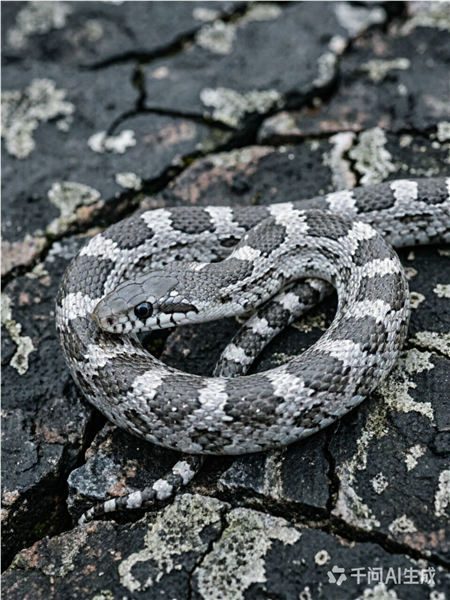
Myth 3: "Baby corn snakes are more venomous because they can't control their venom." This is a myth often misapplied from stories about some venomous species. Since corn snakes have no venom at any life stage, this is completely irrelevant. Hatchling corn snakes may be more nervous and prone to defensive strikes, but their bite is mechanically weaker and even less significant than an adult's.
Conclusion: The Ideal, Harmless Companion
The corn snake's status as a non-venomous constrictor is a cornerstone of its suitability as a pet. Their lack of venom, combined with their generally placid nature, makes them one of the safest and most recommended snake species for beginners and experienced herpetoculturists alike. Any concerns about toxicity can be confidently put to rest. The rare bite is a minor incident, not a medical emergency. By understanding their biology, respecting their needs, and practicing proper handling, owners can enjoy a long, rewarding, and completely safe relationship with these beautiful, fascinating reptiles. The real 'venom' associated with corn snakes is nothing more than the venom of misinformation, which this guide aims to antidote.