How to Choose Filter Media? Building a Filtration System Suitable for Arowana
In the vast world of arowana keeping, a golden rule prevails: "To keep fish, first cultivate the water; to cultivate water, rely on filtration." A majestic, golden-armored arowana is not only a visual feast but also the ultimate reflection of healthy water quality. Behind all this lies a scientifically designed, efficiently operating filtration system. It acts like the "kidneys" and "lungs" of the aquarium, silently undertaking the crucial tasks of removing waste, purifying water, and supporting beneficial bacterial colonies. For arowana, which have large appetites and produce significant waste, a powerful filtration system is not a luxury but a necessity for survival. This article will explain in simple terms, from filtration principles to filter media selection, how to build a customized filtration system tailored specifically for your arowana.
Chapter 1: Understanding the Core of the Filtration System – Mechanical, Chemical, and Biological Filtration
Before choosing filter media, we must understand the three cornerstones of a filtration system: mechanical, biological, and chemical filtration. They complement each other, and none is dispensable.
1. Mechanical Filtration: This is the first line of defense for the filtration system. Its main task is to intercept visible solid particles in the water, such as food debris, fish waste, shed scales, and mucus. Its core function is "interception." Using materials like filter floss, filter pads, or filter socks, it physically separates these impurities from the water, preventing them from decomposing and polluting the water. The efficiency of mechanical filtration directly determines water clarity and the burden on subsequent biological filtration.
2. Biological Filtration: This is the soul of the filtration system and the key to maintaining long-term water stability. It utilizes beneficial microorganisms like "nitrifying bacteria" to convert toxic ammonia and nitrite—produced from the breakdown of fish waste and organic matter—into less toxic nitrate. This process is called "nitrification." The core function of biological media (such as bio-rings, ceramic rings, bio-balls, etc.) is not filtration per se, but to provide an enormous surface area (pores) for these nitrifying bacteria to colonize, reproduce, and form stable colonies.
3. Chemical Filtration: This is a "special defense line" targeting dissolved harmful substances in the water. Through adsorption, ion exchange, or chemical reactions, it removes substances that mechanical and biological filtration cannot handle, such as water discoloration (yellow water), medication residues, heavy metal ions, excess nitrate (via denitrification or adsorption), and foul odors. Common chemical filter media include activated carbon, zeolite, ion-exchange resins, and purigen. Chemical media typically have a service life and require regular replacement.
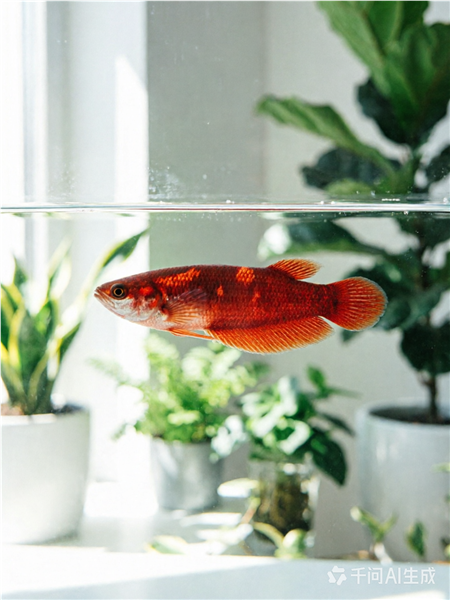
An excellent arowana filtration system must organically combine these three filtration methods to form an assembly-line purification process.
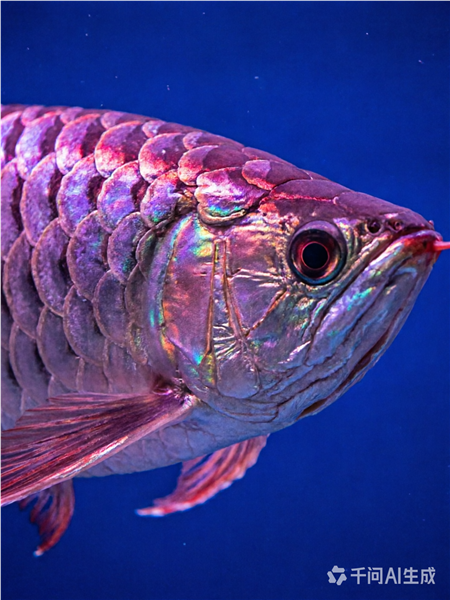
Chapter 2: Complete Guide to Arowana Filter Media Selection – From Mechanical to Biological
1. Choosing Mechanical Media: The Key is Density and Easy Cleaning
The goal of mechanical filtration is "dry-wet separation," meaning to trap impurities on filter media *outside* the water as much as possible, preventing long-term immersion and decomposition.
Recommended Choices:
- Filter Floss (Polyester Floss): The most basic and economical mechanical media. Has larger pores, mainly used for preliminary interception of larger particles. Inexpensive and can be replaced frequently. Recommended for the top layer of the mechanical filtration stage.
- Filter Pad/Filter Sock: Much denser than ordinary filter floss, capable of filtering extremely fine particles, achieving crystal-clear "air-water" quality. Can be rinsed and reused multiple times. Usually placed beneath filter floss as a fine filtration layer.
- Coarse Sponge/Bio-Sponge: This is a media that combines both mechanical and biological functions. It has larger, uniform pores that can intercept some medium-sized particles while its abundant pores also cultivate nitrifying bacteria. Often used as the final layer of mechanical filtration or placed at the front end of the biological filtration section.
Usage Points: Mechanical media must be cleaned or replaced regularly (especially filter floss). Once clogged, it not only affects water flow but also becomes a source of pollution. A "multi-layer stacking, coarse-to-fine" arrangement is recommended.
2. Choosing Biological Media: Focus on Surface Area and Water Permeability
Biological media is the home for nitrifying bacteria. Its quality directly affects the stability and processing capacity of the entire nitrification system. Arowana tanks have large water volumes and heavy bio-loads, requiring high-quality, efficient biological media.
Key Selection Criteria:
- Specific Surface Area: The effective surface area per unit volume of media available for bacterial colonization. The larger the surface area, the greater the number of bacterial colonies it can support, and the stronger its processing capacity. However, finer pores are not always better; good water flow must also be ensured.
- Water Permeability: The internal pores of the media must be well-connected, allowing water to flow through fully. This ensures bacteria inside also receive oxygen and nutrients, avoiding the formation of "dead zones."
- Material Stability: The media itself should not release harmful substances into the water (e.g., substances that raise pH or hardness). The material should be sturdy, durable, and resistant to crumbling.
Comparison of Mainstream Biological Media:
- Bio-Rings/Ceramic Rings (Traditional Champions): Classic choices with mature technology. High-quality bio-rings have well-developed internal micro-pores and large surface areas. Ceramic rings offer good cost-effectiveness. Choose products that are pH neutral, don't harden water, and are highly sintered.
- Bio-Balls/Plastic Media (Modern Premium): Usually made of special plastic or sintered materials, they possess extremely high specific surface areas and unique structures, capable of cultivating both aerobic and anaerobic bacteria, offering some help with nitrate reduction. Higher priced.
- Quartz Balls/Bio-Spheres: Rough, porous surface offers excellent bacterial colonization, and they are resistant to crumbling with a long service life. A common choice in mid-to-high-end setups.
- Lava Rock/Maifan Stone (Natural Media): Natural porous structure provides good bacterial colonization. Lava rock can also slightly adjust pH. Maifan stone has dual functions of mineral release and adsorption. Requires thorough cleaning before use. Often used as supplementary media.
Advice for Arowana Keepers: Don't chase a single "miracle media." Consider a "combo." For example, place a large quantity of high-quality bio-rings or bio-balls in the main water path of the filter chamber as the main force. In corners or areas with slower flow, use lava rock, Maifan stone, etc., as functional supplements.
3. Choosing Chemical Media: Use as Needed, Replace Regularly
Chemical media is the "special forces." It can be omitted during normal operation but is crucial for solving specific problems.
- Activated Carbon: A powerful adsorber, capable of removing color, odors, medication residues, and some organic matter. However, it also adsorbs trace elements and medications, so it's not suitable for use during normal feeding or when adding vitamins/medications. Needs replacement after about 1 month when saturated.
- Purigen/D301 Resin: Specifically designed to combat "yellow water" (tannins released by driftwood or Indian almond leaves), with immediate effects. Can be regenerated and reused.
- Zeolite/Ammonia Remover: Can quickly adsorb ammonia from the water. Useful for emergencies during tank cycling or sudden ammonia spikes. Can be regenerated by soaking in saltwater after saturation.
- Phosphate Remover/Nitrate Remover: Targets the root cause of algae (phosphate) and the final metabolic product (nitrate) for specialized treatment. Assists in controlling algae blooms and reducing water change frequency.
Important Note: Chemical media alters the chemical balance of the water and has a saturation period. Unless there is a specific need (e.g., clarifying water, removing medication, emergency ammonia reduction), it is not recommended to place them in the filter long-term or in large quantities.
Chapter 3: The Golden Combination and Scientific Arrangement of Filter Media
Knowing the function of each media, how to scientifically combine and place them in the filter compartments is key to maximizing system efficiency. Let's take the most common sump filter as an example to explain the media placement flow (Water flow direction: Aquarium -> Drain pipe -> Sump compartments).
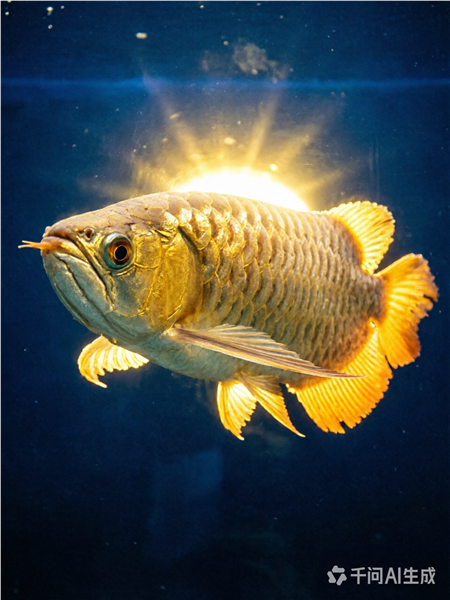
First Compartment (Drain/Mechanical Filtration Compartment): This is the starting point of filtration, and its core task is mechanical interception. It is recommended to use a "tray-style filter sock holder" or "dry-wet trickle tray" above this compartment. In the tray, layer sequentially: Top layer: Filter Floss (replace frequently) -> Middle layer: Filter Pad or denser media (rinse frequently) -> Bottom layer: Coarse Sponge (clean periodically). Ensure water flows through these media first, trapping solid waste here before it flows into subsequent compartments.
Second Compartment (Core Biological Compartment): This is the "main battlefield" for nitrifying bacteria. Place as much high-quality biological media as possible here. The placement principle is "unobstructed water flow, no dead spots." You can fill it entirely with bio-rings or use a combo like "bio-rings at the bottom, bio-balls on top." Ensure all media is submerged, but it's best to elevate the bottom with an egg crate or media rack to allow water to flow underneath, avoiding short-circuiting.
Third Compartment (Auxiliary Biological/Functional Compartment): You can continue placing biological media here to further strengthen biological filtration. Alternatively, you can place chemical or functional media here based on needs. For example, keep some Maifan stone long-term to stabilize mineral elements, or temporarily place Purigen to handle yellow water. If using a heater, it is often placed in this compartment along with the return pump if space allows in the fourth.
Fourth Compartment (Return Pump Compartment): Only place the return pump (and heater if not in the third). Keep it clear to ensure the pump can smoothly return purified water to the main tank.
Universal Golden Rules:
- Maximize Water Flow Path: Ensure water flows fully and evenly across the surface of all media.
- Mechanical Before Biological: Absolutely prevent large particulate organic matter like fish waste from entering the biological compartment directly, as it will clog the pores of biological media and contaminate the bacterial film.
- Provide Ample Oxygen to Media: Nitrifying bacteria are aerobic. Ensure the water flowing through biological media is oxygen-rich. The drain pipe can be configured as a "spray bar" or "rainfall pipe" to create bubbles and aerate the water as it enters the sump.
Chapter 4: Daily Maintenance of the Filtration System and Common Pitfalls to Avoid
Even the best filtration system requires proper maintenance.
Maintenance Points:
- Mechanical Media: Replace the top layer filter floss every 1-2 weeks depending on dirt accumulation. Rinse filter pads and coarse sponges gently in old tank water removed during water changes to remove surface debris. Never rinse vigorously with tap water or use detergents, as this can kill beneficial bacteria.
- Biological Media: This is the foundation of the system; handle with care. Do not clean unless severely clogged (significantly reduced flow). If cleaning is necessary, again, only use old tank water to gently swish and remove surface sludge. The goal is to unclog pores, not to make it "look like new." Clean in batches, rotating sections, to avoid wiping out a large portion of the bacterial colony at once, which could crash the system.
- Chemical Media: Strictly adhere to its service life and regeneration methods. Replace or regenerate promptly when expired.
Common Misconceptions:
- Blind Faith in "Top-Tier Media": Media is the foundation, but a stable bacterial colony is the core. Giving nitrifying bacteria time (at least 2-4 weeks for cycling) and a stable environment (not arbitrarily replacing large amounts of media, not over-cleaning media, not abusing medications) is more important than pursuing expensive media.
- Frequent, Thorough Cleaning of the Entire System: This is the number one cause of water parameter fluctuations and fish illness. Maintenance should have a "dirty water awareness" – use old tank water for partial cleaning.
- Overpacking Media: Media needs tiny gaps between pieces for water to flow through. Packing it too tightly can cause water to short-circuit, flowing mostly around the edges and leaving the media inside ineffective.
- Neglecting Pump Flow Rate: For arowana tanks, the pump's flow rate should be 8-10 times the total tank volume per hour. Insufficient flow means fewer filtration cycles and significantly reduced purification effectiveness.
Chapter 5: Brief Analysis of Filtration Solutions for Different Tank Setups
- Large Sump Filter (Mainstream Choice): The most suitable system for arowana. Offers large media capacity, is hidden and aesthetically pleasing. The scheme described above can be directly applied. Note that a good dry-wet separation design in the sump is crucial.
- Hang-On-Back (HOB) Filter / Canister Filter with Tray Stack (Trickle Filter): Extremely high filtration efficiency and excellent oxygenation. The media placement order from top to bottom is the same: Mechanical layer (filter floss/pad) -> Biological media layer. The downside is lower aesthetics and potentially more noise. Choosing a stack with enough trays is key to success.
- Canister Filter: Commonly used in planted tanks or small/medium aquariums. For adult arowana, the processing capacity of most canister filters is usually insufficient, and they are inconvenient to clean. If used, be sure to choose an oversized, high-flow model and strictly follow the media placement order: "Intake -> Mechanical layer -> Biological layer -> Outflow," ensuring all media is submerged.
Conclusion
Building a filtration system for an arowana is a practice of understanding, selection, and patience. No single filter media is omnipotent, and no one solution fits all. The core lies in mastering the principles of mechanical, biological, and chemical filtration. Based on your actual tank conditions (size, fish stock density, feeding amount) and goals, flexibly combine filter media, and give the system sufficient respect and patient maintenance. When you see the water in your tank as clear as a mirror and your beloved dragon fish swimming gracefully with fins fully extended, you will understand that all this careful design and investment are worthwhile. May every arowana enthusiast build a stable, clear aquatic world and witness their golden arowana shine with the most brilliant splendor.