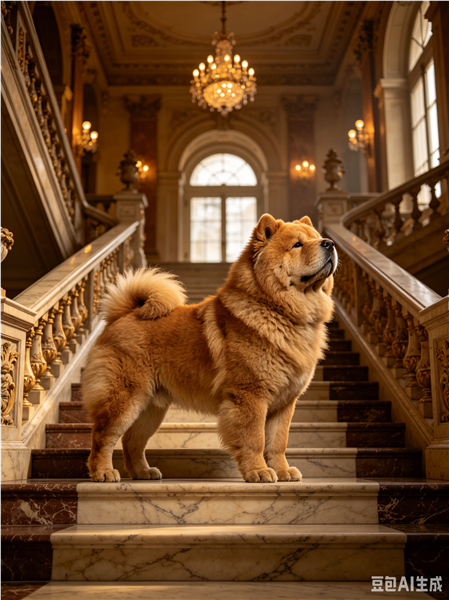
Bringing a Chow Chow into your home is a rewarding experience, but it requires thoughtful preparation to create an environment that caters to their unique needs. Known for their lion-like mane, blue-black tongues, and aloof personality, Chow Chows are a distinctive breed that thrives in a stable, well-structured setting. Unlike some more adaptable breeds, Chows have specific requirements regarding space, climate, grooming, and mental stimulation. Failing to meet these needs can lead to stress, behavioral issues, and health problems. This comprehensive guide will walk you through every aspect of setting up your home to be a sanctuary for your Chow Chow, ensuring they live a long, healthy, and contented life by your side.
The first and perhaps most crucial consideration is space. Chow Chows are medium to large-sized dogs, with a sturdy, square-built body. They are not overly hyperactive indoors, but they do need ample room to move around comfortably without feeling cramped. A house with a moderate-sized living area is ideal. While they can adapt to apartment living, it is not the optimal scenario. If you live in an apartment, you must commit to providing multiple daily walks and outdoor time. In a house, ensure there are clear pathways and that furniture is arranged to allow your Chow to navigate easily. Their independent nature means they often enjoy having a "spot" of their own—a quiet corner with their bed, away from high-traffic areas. This gives them a sense of security and a place to retreat when they need solitude, which is essential for their well-being.
Climate control is paramount for Chow Chows. Their most famous feature is their incredibly thick double coat, designed to protect them from harsh cold. However, this same coat makes them highly susceptible to heatstroke in warm weather. Your home's temperature must be carefully regulated. During summer, air conditioning is not a luxury but a necessity. The indoor temperature should ideally be kept below 75°F (24°C). Ensure they have constant access to cool, fresh water and tile or hardwood floors where they can lie down to cool off. Avoid placing their bed in direct sunlight or near heat sources like radiators. In winter, they are much more comfortable, but you should still provide a warm, draft-free bed, especially for older dogs. Never shave a Chow Chow's coat in an attempt to keep them cool; it ruins their insulation and sun protection. Instead, regular brushing to remove the dense undercoat is the key to temperature regulation.
Grooming is not just about aesthetics for a Chow Chow; it's a critical component of their health and comfort. That magnificent coat requires a dedicated routine. You should plan to brush your Chow thoroughly at least 3-4 times per week, and daily during shedding seasons (typically spring and fall). This prevents painful matting, removes dead hair, and distributes skin oils. Invest in high-quality tools: a sturdy slicker brush, an undercoat rake, and a wide-toothed comb. Bathing should be done every 6-8 weeks with a dog-specific shampoo to maintain coat health without stripping natural oils. Pay special attention to drying them completely after baths or wet walks, as moisture trapped against the skin can cause hot spots and infections. Other grooming essentials include regular nail trimming, ear cleaning to prevent infections (their small, folded ears can trap moisture), and dental care. Establishing a positive grooming routine from puppyhood is vital for this sometimes-stubborn breed.
Exercise and mental stimulation form another pillar of a suitable environment. While Chow Chows are not endurance athletes, they are not couch potatoes either. They require consistent, moderate exercise to maintain a healthy weight and prevent boredom. Aim for two walks per day, each lasting 20-30 minutes. Avoid strenuous exercise in hot weather. Beyond physical walks, mental engagement is crucial. Provide puzzle toys, slow-feed bowls, and engage in short, positive reinforcement training sessions. Chows are intelligent but independent, so training requires patience and consistency. A bored or under-exercised Chow can become destructive or develop anxiety. A securely fenced yard is a tremendous asset, allowing for safe exploration and sniffing time, which is excellent mental exercise. However, the fence must be high and secure, as some Chows can be climbers or diggers.
Safety-proofing your home is a step you cannot skip. Chow Chows are curious and can be surprisingly agile for their build. Secure electrical cords, keep human medications and toxic foods (like chocolate, grapes, and xylitol) locked away, and ensure household cleaners are inaccessible. Be mindful of small objects they could swallow. Due to their thick coat, they can silently sweep items off tables with their tails. If you have stairs, consider installing a baby gate if your Chow is a puppy or a senior to prevent injuries. Also, ensure all windows have secure screens if you like to keep them open.
Creating the right social environment is also key. Chow Chows are famously loyal to their families but often reserved or aloof with strangers. They are not typically "dog park" dogs. Your home environment should reflect this. Provide a calm, predictable household routine. Avoid forcing interactions when guests are over; instead, give your Chow the option to observe from a distance. If you have other pets, introductions must be slow and carefully managed. Their strong prey drive means small animals like cats or rabbits may be at risk unless they are raised together from a very young age. Teach children in the home to respect the dog's space and not to approach them while eating or sleeping.
Nutrition and feeding stations contribute significantly to the living environment. Feed your Chow a high-quality diet appropriate for their age, size, and activity level. Due to their deep chests, they can be prone to bloat (Gastric Dilatation-Volvulus), a life-threatening condition. To mitigate this risk, use a slow-feed bowl, avoid vigorous exercise right before and after meals, and consider splitting their daily food into two or three smaller meals. Place their food and water bowls in a quiet, low-traffic area where they can eat in peace. Elevated bowls are sometimes recommended for large breeds, but consult your vet, as some studies suggest they may increase bloat risk for certain dogs.
Finally, consider the long-term commitment. Your Chow's needs will change as they age. Puppy-proofing evolves into senior-proofing. An older Chow may need orthopedic bedding to ease joint pain, ramps to avoid stairs, and more frequent vet visits. Your home environment must be flexible enough to adapt to these changing needs. Creating a suitable living environment for a Chow Chow is an ongoing process of observation, adaptation, and dedicated care. It requires an investment of time, resources, and understanding. However, the reward is the deep, quiet loyalty and companionship of one of the canine world's most majestic and ancient breeds. By thoughtfully preparing your home, you are laying the foundation for a harmonious and joyful life together.