A Beginner's Guide to Raising Birds Without Pitfalls! Complete Guide to Selecting and Caring for Budgerigars
Budgerigars, with their vibrant feathers, lively personalities, and excellent mimicry skills, have become one of the most popular pet birds worldwide. For beginners new to bird keeping, they are a relatively hardy and cost-effective choice, making them ideal for getting started. However, "keeping a bird" is far from just providing a cage. Starting from selecting a healthy little life, to creating a comfortable home, providing a scientific diet, and engaging in daily interaction and care, each step involves knowledge. This guide will walk you step-by-step into the world of budgerigars, helping you start from scratch to become a qualified "poop-scooper," allowing both you and your feathered friend to enjoy this wonderful companionship.
Chapter 1: Smart Selection – How to Bring a Healthy Budgie Home
Everything is difficult at the beginning; selection is the first step to successful care. A healthy budgerigar is the foundation for all future happiness.
1.1 Observing Appearance and Mental State
Feathers: A healthy budgie's feathers should lie close to the body, be smooth and glossy, without large areas of damage, fluffiness, or stains. Check if the feathers around the vent are clean; if there is fecal matter stuck, there may be a digestive issue.
Eyes: Both eyes should be bright, alert, fully open, without redness, swelling, tearing, or discharge. Half-closed eyes or a dull gaze are clear signs of illness.
Beak and Nostrils: The beak should be smooth, without overgrowth, cracks, or deformities. The nostrils (cere) should be clean and dry, without scabs, nasal discharge, or blockages.
Mental State: Choose an individual that moves freely within the cage and shows curiosity about its surroundings. Birds that are overly quiet, huddled up, lethargic, or hiding in corners may have poor health.
1.2 Checking Various Body Parts
Pectoral Muscles: Gently blow away the feathers on the chest to observe the muscles on either side of the breastbone (keel). A healthy bird has plump muscles; the breastbone should not be overly prominent. If the breastbone is as sharp as a knife's edge, the bird is too thin.
Feet and Claws: Both feet should be strong, able to grip the perch steadily. The toenails should not be overly curved. The scales on the feet should be smooth, without swelling, scabs, or missing toes.
Vent: Should be clean, without redness or swelling, and the surrounding feathers should be dry.
1.3 Age and Gender Selection
Age: It is recommended to choose a young bird aged 3-6 months. They have strong adaptability and are easier to bond with their owner. Young birds have completely black eyes and clear black stripes (the 'budgie' pattern) on their foreheads. As they age, a white eye-ring appears, and the forehead stripes fade.
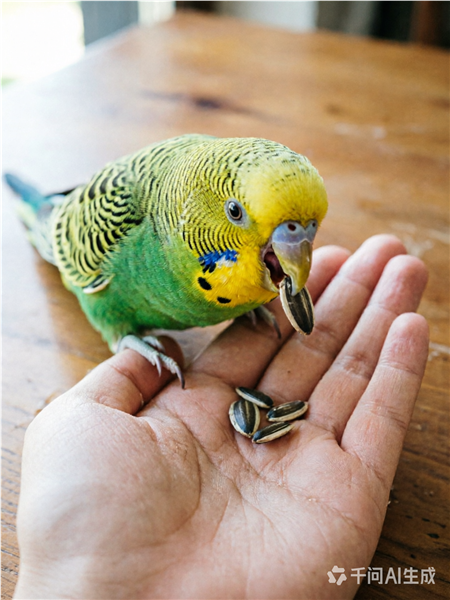
Gender: Determined by the color of the cere. Adult males have a blue or bluish-purple cere (during breeding season), while females have a brown, flesh-colored, or beige cere (during breeding season). It is more difficult to distinguish in young birds. For beginners, gender differences have little impact on care; you can choose based on personal preference.
1.4 Purchasing Channel Recommendations
Prioritize reputable specialized aviaries or bird breeders. Avoid purchasing from dirty, crowded pet markets to reduce the risk of bringing home a sick bird. When purchasing, be sure to inquire about the bird's diet and health status.
Chapter 2: Settling In – Creating a Comfortable and Safe Parrot Home
A suitable living environment is the guarantee for a budgerigar's healthy and happy life.
2.1 Cage Selection and Setup
Size: The principle is the bigger the better. For a single budgie, the minimum length, width, and height should be 40*30*40 cm; for a pair, even larger space is needed. The bar spacing should be between 1-1.5 cm to prevent head entrapment or escape.
Shape: Square or rectangular cages are preferred. Round cages lack corners, which can make birds feel insecure and are not conducive to activity.
Material: Stainless steel cages are the first choice—durable, safe, and easy to clean. Avoid cages with paint that may peel or contain toxic materials like zinc or lead.
Perches: Provide multiple natural wood perches (such as applewood, willow) of different materials and thicknesses to help wear down claws and exercise foot muscles. Avoid smooth plastic perches.
2.2 Food and Water Dishes
Prepare dedicated food bowls and water containers, preferably fixed to the cage walls to prevent contamination by droppings. Clean and refill with fresh food and water daily.
2.3 Toys and Environmental Enrichment
Budgerigars are very intelligent and need mental stimulation. Provide safe chewing toys (like vine balls, wood blocks), climbing ropes/ladders, bells (ensuring no small parts pose a risk of falling off), etc. Regularly change the arrangement of toys to maintain novelty.
2.4 Cage Placement Location
Place the cage in a quiet, well-ventilated area of the home with natural indirect light but avoid direct sunlight and drafts from air conditioners. The height should be at or slightly above human eye level, giving the bird a sense of security. Keep away from the kitchen (cooking fumes, non-stick pan fumes are toxic), windows (large temperature differences, risk of fright), and noisy appliances.
Chapter 3: Scientific Feeding – "You Are What You Eat" Also Applies to Birds
Balanced nutrition is the cornerstone of a budgerigar's health; incorrect diet is a common cause of illness.
3.1 Staple Food: Professional Parrot Feed
The main diet should consist of high-quality brand-name parrot seed mixes or pellets. If using seed mixes, be careful to avoid the bird only picking out high-fat seeds like sunflower and safflower; trying pellets can ensure comprehensive nutrition.
3.2 Essential Supplements: Fresh Vegetables and Fruits
Provide small amounts of washed fresh vegetables and fruits daily, such as broccoli, carrots, bell peppers, apples, pears, etc. Avoid feeding foods toxic to birds like avocado, onion, chocolate, coffee, and alcohol.
3.3 Nutritional Supplements
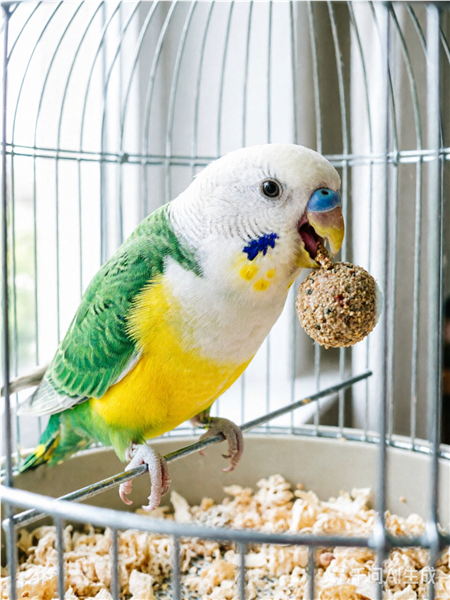
Cuttlebone/Mineral Block: Hang in the cage year-round to supplement calcium and minerals, and also provide a surface for beak grinding.
Grit: Helps grind food for digestion and provides trace elements.
Clean Water: Provide cool boiled water or purified water daily, ensuring a clean water source.
3.4 Feeding Precautions
Observe the bird's eating habits, promptly remove uneaten wet/soft foods (like fruit) to prevent spoilage. Adjust food quantity based on the bird's activity level and season to prevent obesity.
Chapter 4: Daily Care and Interaction – Building a Bridge of Trust
Daily care is not only a responsibility but also a process of building a bond.
4.1 Cleaning and Hygiene
Daily: Clean the droppings tray, replace food and water.
Weekly: Wash perches, toys, and food/water dishes.
Monthly: Thoroughly clean and disinfect the cage (using bird-safe products or diluted white vinegar), and rinse thoroughly with clean water.
4.2 Bathing and Preening
Budgerigars enjoy bathing. You can provide a shallow dish of clean water or use a spray bottle to gently mist them. Bathing should be done during the warm daytime, and avoid drafts afterward. They will preen their own feathers with their beaks; no human intervention is needed.
4.3 Nail Trimming and Beak Care
If nails are too long and affect perching, use pet-specific nail clippers, carefully avoiding the quick. Normally, through chewing toys and cuttlebone, the beak will wear down naturally and does not need trimming. If the beak is noticeably overgrown or deformed, consult an avian veterinarian.
4.4 Taming and Interaction
Patience is Key: When first brought home, give it a few days to adjust to the environment; don't rush to handle it.
Hand-Feeding to Build Trust: Offer its favorite treats (like millet sprays) through the cage bars, gradually transitioning to opening the cage door and letting it voluntarily step onto your hand to eat.
Out-of-Cage Time: Under the premise of ensuring room safety (close windows/doors, remove toxic plants, put away electrical cords), provide supervised out-of-cage flying time daily. This is crucial for its physical and mental health.
Speech Training: Budgerigars have the potential to mimic speech, especially males. When it is quiet and focused, clearly and repeatedly say simple words to it, paired with treat rewards.
Chapter 5: Health Monitoring and Common Disease Prevention
Prevention is better than cure; learning to observe is the first line of defense in safeguarding health.
5.1 Daily Manifestations of a Healthy Bird
Energetic, good appetite, formed droppings (consisting of white urates, dark feces, and a small amount of liquid), neat feathers, chirping or playing.
5.2 Warning Signs of Common Illnesses
Fluffed-up feathers, lethargy, puffed-up appearance: Could be initial signs of catching a chill, indigestion, or serious illness.
Respiratory abnormalities: Open-mouth breathing, panting, tail bobbing, sneezing, runny nose.
Digestive system issues: Diarrhea (watery droppings), abnormal droppings color, impacted crop, or constantly swollen crop.
Others: Red, swollen, watery eyes, standing on one foot, limping, frequent head shaking, sudden weight loss.
5.3 Brief Introduction to Common Diseases
Trichomoniasis, Candidiasis (Yeast Infection): Common in the digestive system, related to dietary hygiene.
Respiratory infections: Often caused by temperature fluctuations or poor ventilation.
External parasites like feather lice: Manifest as frequent feather pecking, restlessness.
Feather Plucking: Self-mutilation behavior caused by psychological or nutritional issues.
5.4 Prevention and Response
Maintaining a clean environment, fresh diet, and stable temperature is fundamental. Once abnormalities are detected, the most important action is to immediately isolate the sick bird and provide warmth (using a heat lamp, temperature around 28-30°C), and contact an avian/exotic veterinarian as soon as possible. Birds have fast metabolisms, and conditions can deteriorate rapidly; never administer medication on your own.
Finding a reliable avian/exotic veterinarian for your budgerigar and knowing their contact information in advance is preparation a responsible owner should make.
Chapter 6: Advanced Knowledge and Other Considerations
6.1 About Breeding
Breeding is not recommended for beginners right away. Breeding requires more extensive knowledge, more space (nesting box), and additional care responsibilities for the hen and chicks. Ensure you have the ability to handle potential issues like egg binding or chick abandonment.
6.2 Coexistence with Other Pets
Ensure budgerigars are completely separated from other pets like cats and dogs. Even "gentle" cats and dogs have instincts that can cause fatal fright or injury to birds.
6.3 Travel and Boarding
For short trips, prepare sufficient food and water and ensure the environment is safe. For long absences, entrust the bird to a bird-savvy friend or professional boarding facility.
Raising a budgerigar is a journey full of surprises and warmth. They bring endless joy with their small lives. This guide hopes to light the way for your journey, helping you avoid initial confusion and pitfalls. Remember, love, patience, and responsibility are the golden rules for keeping any pet. When you see it healthy and lively on your shoulder, looking at the world with curious eyes, or occasionally uttering a blurry "hello," you'll find all the effort worthwhile. Wishing you and your budgerigar friend a wonderful chapter of companionship together!