Raising Skills for Chow Chow Dogs During the Molting Period to Reduce Floating Hair in the House
The majestic Chow Chow, with its distinctive lion-like mane and plush double coat, is a breed of unparalleled beauty. However, this luxurious fur comes with a significant seasonal responsibility: the molting period. Twice a year, typically in spring and fall, Chow Chows undergo a “coat blow,” shedding their dense undercoat in vast quantities. For owners, this can translate to a house seemingly filled with floating tumbleweeds of fur. Managing this natural process is crucial not only for your home's cleanliness but also for your dog's skin health and comfort. This comprehensive guide delves deep into effective raising skills, grooming protocols, and household strategies to minimize floating hair and navigate the molting season successfully.
Understanding the Chow Chow Coat and Molting Cycle

Before tackling the shedding, it's essential to understand what you're dealing with. The Chow Chow possesses a unique double coat consisting of a soft, woolly, and dense undercoat and a coarser, straight outer coat. The primary function of the undercoat is insulation, protecting the dog from both cold and heat. During seasonal changes, particularly as temperatures rise in spring or drop in fall, this undercoat is shed to allow for a more climate-appropriate coat to come in. This is not a light shed; it's a massive, concentrated period of hair loss that can last several weeks. Factors like indoor climate control (constant heating or air conditioning), diet, health, and stress can influence the intensity and timing of the molt. Recognizing the signs—such as increased loose hair, a “patchy” look to the coat, and more frequent clumps coming out during petting—is the first step in proactive management.
Essential Grooming Tools for the Molting Chow Chow
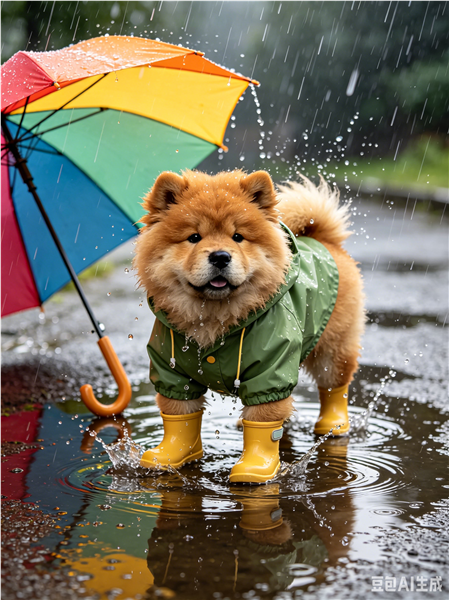
Arming yourself with the right tools is half the battle won. Using improper tools can be ineffective or even painful for your dog. The cornerstone of your toolkit should be a high-quality undercoat rake. This tool features long, rounded teeth designed to penetrate the topcoat and gently pull out the loose undercoat without damaging the healthy guard hairs. For Chows, a rake with widely spaced teeth is ideal for their thick fur. A slicker brush is excellent for follow-up work, helping to remove smaller loose hairs and detangle the outer coat. A steel comb with both wide and fine teeth is indispensable for checking your work, especially in sensitive areas like behind the ears, under the legs, and around the ruff. For some owners, a de-shedding tool like the Furminator (used with caution and not too frequently) can be effective, but it's vital to ensure it doesn't cut the topcoat. Finally, a high-velocity dog dryer (used on a cool setting) is a game-changer. It can blow out a tremendous amount of loose undercoat in a short time, significantly reducing the hair that would otherwise shed inside your home.
Step-by-Step Grooming Routine During Peak Molting
Consistency is key. During peak shedding, you should aim to groom your Chow Chow at least 4-5 times a week, if not daily. Here’s a recommended routine:
- Preparation: Groom your dog in an easy-to-clean area like a bathroom, garage, or outdoors. Have all your tools ready.
- Initial Brushing: Start with the slicker brush to gently loosen surface hair and tangles. Work in sections, following the direction of hair growth.
- Undercoat Raking: This is the main event. Take the undercoat rake and work through the coat in slow, steady strokes. Be gentle around bony areas like the hips and spine. Focus on the thickest areas: the neck ruff, chest, back, and hindquarters. You will be amazed at the amount of soft, woolly hair that comes out in clumps.
- Combing: Go over the entire coat with the steel comb to catch any remaining loose hairs and ensure no mats are forming, especially in friction areas.
- The Blow-Out (Optional but Highly Effective): If using a high-velocity dryer, direct the airflow against the grain of the coat. You will see clouds of undercoat flying away. This step dramatically reduces the hair left to shed indoors.
- Reward: Always end the session with praise and a treat to create a positive association with grooming.
Remember, never bathe a Chow Chow with a heavily loose undercoat without thorough brushing first, as water will mat the loose hair into a nearly impenetrable felt-like mess.
Nutritional Support for a Healthy Coat and Reduced Shedding

A healthy coat starts from within. Diet plays a pivotal role in the quality of your Chow Chow's skin and fur, which can influence shedding. Ensure your dog is on a high-quality, balanced diet rich in animal-based proteins and healthy fats. Key nutrients include:
- Omega-3 and Omega-6 Fatty Acids: Found in fish oil, flaxseed, and certain plant oils, these fats are crucial for skin health and coat shine, potentially reducing excessive, dry shedding.
- Biotin and Zinc: These vitamins and minerals support skin integrity and hair growth.
- Hydration: Always provide access to fresh water. Proper hydration keeps skin supple.
Consider discussing with your vet the addition of a skin and coat supplement containing these ingredients, especially during molting seasons. Avoid cheap fillers like corn and soy, which can contribute to skin allergies and poorer coat quality, leading to more year-round shedding.
Environmental and Household Management Strategies
While you manage the source (your dog), you must also manage the environment. Implement a multi-pronged approach to keep floating hair under control:
- Invest in a Robotic Vacuum: A robot vacuum programmed to run daily can be a lifesaver, picking up hair from hard floors and low-pile carpets before it accumulates.
- Powerful Upright Vacuum: For deeper cleans, use a vacuum with strong suction and a motorized brush roll designed for pet hair. Vacuum carpets, rugs, and furniture at least 2-3 times a week during peak molt.
- Air Purifiers: A good HEPA air purifier can capture airborne dander and fine hair particles, significantly improving air quality and reducing the “floating hair” phenomenon.
- Furniture Protection: Use washable throws or specialized pet blankets on your dog's favorite couch or bed. These can be easily removed and laundered.
- Lint Rollers and Rubber Gloves: Keep lint rollers handy for clothing and furniture. Damp rubber gloves are also excellent for picking up hair from fabric surfaces by simply wiping your hand over them.
- Designated Dog Zones: If possible, train your Chow to stay off certain furniture or limit them to specific, easy-to-clean rooms during the heaviest shedding weeks.
When to Be Concerned: Shedding vs. Health Issues
While molting is normal, excessive hair loss outside of seasonal periods, bald patches, red or inflamed skin, intense scratching, or a dull, brittle coat can indicate underlying health problems. These may include allergies (food or environmental), parasitic infestations (mites, fleas), hormonal imbalances (like thyroid issues), or fungal infections. If you notice any of these signs alongside abnormal shedding, it is imperative to consult your veterinarian for a proper diagnosis and treatment plan. Regular health check-ups ensure that your Chow's shedding is purely seasonal and not symptomatic of a larger issue.
Long-Term Coat Care and Maintenance
Managing molting is not just a seasonal sprint but a year-round marathon. Maintaining a consistent weekly brushing routine even outside of heavy shedding periods helps distribute natural skin oils, prevents mats, and removes dead hair before it has a chance to overwhelm your home. Regular baths with a moisturizing, deshedding dog shampoo (followed by thorough drying and brushing) also help keep the coat in top condition. Furthermore, ensuring your Chow Chow gets regular exercise and mental stimulation reduces stress, which can be a contributing factor to coat problems.
In conclusion, living with a molting Chow Chow requires commitment, the right tools, and a solid strategy. By implementing a rigorous grooming schedule with appropriate tools, supporting your dog's coat health through premium nutrition, and adopting smart household cleaning habits, you can dramatically reduce the amount of floating hair in your home. The molting period, while challenging, is a temporary phase. The reward is a healthy, happy, and magnificent Chow Chow companion—and a home that is far more manageable and clean. Embrace the fluff, but manage it wisely.