Training a Doberman Pinscher for guard or protection work requires not just skill and dedication, but also the right set of professional tools. The correct equipment can make a significant difference in safety, communication, and the overall effectiveness of the training program. This comprehensive guide will explore the essential props and gear recommended by professional trainers to develop a confident, disciplined, and reliable Doberman.
First and foremost, any discussion about training equipment must start with safety. For the handler, the dog, and any helpers involved, high-quality gear is non-negotiable. When working with a powerful breed like the Doberman, which possesses strong drive and a formidable bite, using substandard equipment can lead to injuries and setbacks. Professional-grade tools are designed to withstand intense pressure and provide clear feedback to the dog, ensuring that training sessions are both productive and secure.
One of the most critical pieces of equipment in protection sports like Schutzhund (IGP), French Ring, or personal protection training is the bite sleeve or bite suit. For Dobermans, which have a precise and full grip, a well-constructed bite sleeve is essential. It allows the helper to present a target safely and teaches the dog to bite correctly on command. Look for sleeves made from layered, durable jute or burlap with a protective inner lining. The sleeve should be appropriately sized for the helper's arm and offer sufficient padding to absorb the impact of the Doberman's bite without causing discomfort to the dog's jaws. Advanced training may require a full bite suit for body targeting, which provides even more realistic scenarios.
Next, a reliable agitation collar or protective sleeve for the helper is crucial. This is often a padded collar worn over clothing that allows the helper to engage the dog's prey and defense drives safely during the "fight" phase of training. It protects the helper's body from scratches and impacts during the dynamic exercises. Coupled with this, a sturdy, long-line leash (typically 10-20 meters) made of strong webbing or biothane is indispensable for obedience and tracking work. It gives the dog freedom to work at a distance while maintaining handler control.
For foundational obedience, which is the bedrock of all guard dog training, the right collar and leash setup is paramount. Many professional trainers working with Dobermans recommend a high-quality, well-fitted prong collar for precise communication during leash pressure exercises. It's vital to emphasize that a prong collar must be used correctly—it's a communication tool, not a punishment device. It should sit high on the neck, just behind the ears, and be used with quick, clear corrections, not constant pressure. For dogs that respond better to different feedback, a herm sprenger type fur saver chain collar or a flat collar paired with a slip lead can be effective alternatives. The choice depends on the individual dog's temperament, neck structure, and training phase.
Long lines, as mentioned, are invaluable. A 30-foot biothane long line is excellent for practicing recalls under distraction, teaching a solid "out" or release command from a bite, and for initial tracking exercises. Biothane is recommended because it is easy to clean, doesn't absorb water or odors, and slides smoothly over grass and terrain. For advanced distance control and off-leash reliability, an e-collar (electronic collar) can be a highly effective tool in the hands of a knowledgeable trainer. Modern e-collars offer stimulation, vibration, and tone features. They are used to reinforce known commands at a distance with precise timing. It is absolutely critical that any handler using an e-collar undergoes proper education on its use to avoid misuse and to ensure it is a positive part of the dog's training vocabulary.
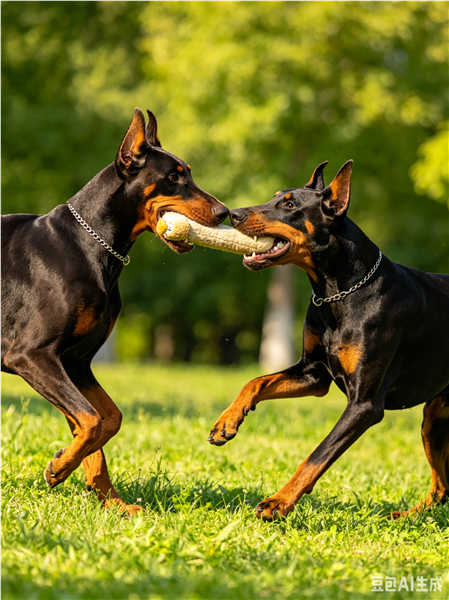
Reward and motivation are key in all dog training, and for driven Dobermans, having the right toys is a prop in itself. A durable, high-value tug toy is essential. It serves as a powerful reward for correct behavior during obedience, tracking, and protection work. Look for tug toys made from fire hose material, solid jute, or ballistic nylon. They must be strong enough to withstand intense pulling and shaking. The toy becomes a symbol of the "game" and the partnership between handler and dog. A good food reward system, like a treat pouch filled with high-value treats (e.g., small pieces of cooked chicken, liver, or commercial training treats), is equally important for marking and rewarding precise behaviors, especially in the early stages of learning new skills.
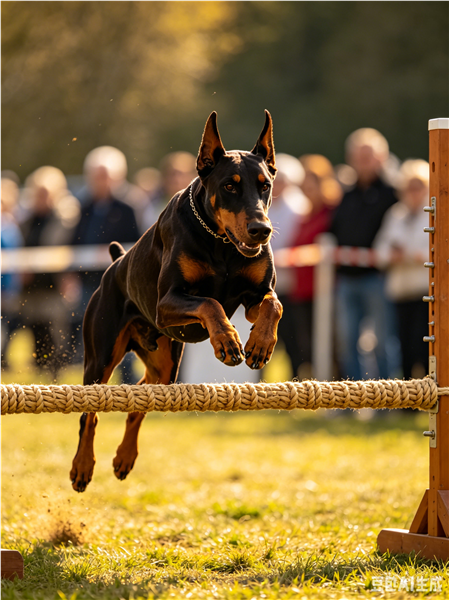
For agility and confidence-building, which are often components of a well-rounded protection dog's training, basic agility equipment can be very helpful. This includes a sturdy A-frame, a secure dog walk plank, a tunnel, and a solid platform or pause table. These props help build the dog's coordination, body awareness, and courage to navigate unfamiliar obstacles—a trait that translates directly to the confidence needed in protection work. You don't need a full competition-grade set; stable, homemade versions can suffice for foundational training.
Targeting tools, such as a touch pad or a simple plastic lid, are excellent for teaching precise positioning (like a front or heel position) through shaping. A clicker can be paired with this for marker training, providing an exact sound to mark the desired behavior the moment it occurs. For tracking, specific props include tracking harnesses (which are different from pulling harnesses) that allow free shoulder movement, and tracking lines. You can also use non-toxic tracking scent and articles (like leather or wood pieces) to lay tracks for the dog to follow.
Environmental preparation props are also part of professional training. This includes things like sound desensitization CDs or playlists that simulate gunshots, thunderstorms, or crowds, played at low volumes initially and gradually increased. Barriers like baby gates or exercise pens can be used to create controlled thresholds and boundaries. A variety of different surfaces (metal grates, plastic tarps, unstable footing like wobble boards) help proof the dog's obedience and confidence in any situation.
It is impossible to overstate the importance of the handler's knowledge. The most expensive equipment is useless—or even dangerous—without proper education. Before using any specialized gear, especially bite sleeves, prong collars, or e-collars, seek guidance from an experienced protection sport trainer or a certified professional dog trainer. They can provide hands-on instruction on fitting, timing, and application. Furthermore, always prioritize your dog's physical health. Equipment should be fitted properly to avoid chafing or injury. Regularly check your dog's mouth, neck, and body for any signs of irritation from gear. Training sessions should be kept positive, short, and focused, ending on a successful note to keep the Doberman engaged and motivated.
In conclusion, equipping yourself with professional-grade training props is a fundamental step in successfully training a Doberman for guard or protection work. From the essential bite sleeve and agitation collar for protection exercises, to the precise communication tools like prong collars and long lines for obedience, and the motivational tug toys and treats—each piece plays a strategic role. Remember, the goal of using this equipment is to enhance clear communication, ensure safety, build confidence, and strengthen the bond between you and your Doberman. Invest in quality gear, invest more in your own education, and you will lay the foundation for a capable, controlled, and trustworthy canine partner.