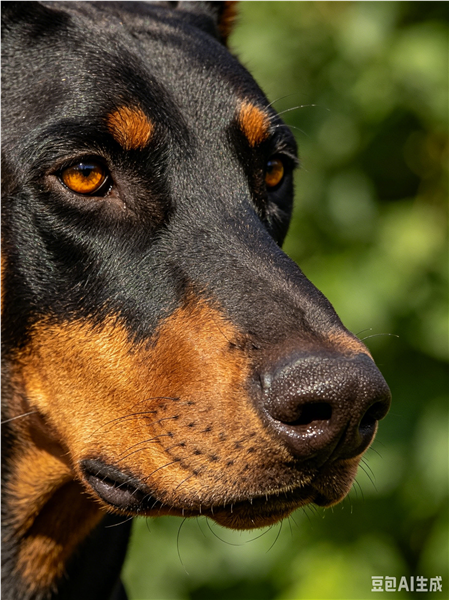
Doberman Pinschers are renowned for their loyalty, intelligence, and athletic build. However, like many purebred dogs, they can be prone to specific health concerns, particularly those related to digestion. Issues such as chronic soft stool, occasional diarrhea, gas, and bloating are not uncommon in the breed. These problems can stem from various factors including dietary sensitivities, stress, antibiotic use, or underlying health conditions. Managing your Doberman's digestive health is crucial for their overall well-being, energy levels, and quality of life. One of the most effective and natural ways to support a healthy gut is through the use of probiotics.

Probiotics are live microorganisms, often referred to as 'good' or 'friendly' bacteria, that confer a health benefit to the host when administered in adequate amounts. For dogs, these beneficial bacteria reside in the gastrointestinal tract and play a pivotal role in digestion, nutrient absorption, and immune function. A balanced gut microbiome helps crowd out harmful pathogens, reduces inflammation, and maintains the integrity of the intestinal lining. When this balance is disrupted—a state known as dysbiosis—digestive upset like soft stool and diarrhea can occur.
For the active and sometimes sensitive Doberman, introducing a high-quality probiotic can be a game-changer. Not all probiotics are created equal, however. The efficacy depends on the specific strains of bacteria, their viability (live count measured in Colony Forming Units or CFUs), and their ability to survive the acidic environment of the stomach to reach the intestines. Strains commonly studied and recommended for canine health include Lactobacillus acidophilus, Bifidobacterium animalis, Enterococcus faecium, and Bacillus coagulans. These strains have been shown to help firm up stools, reduce the frequency and duration of diarrhea, and improve overall stool quality.
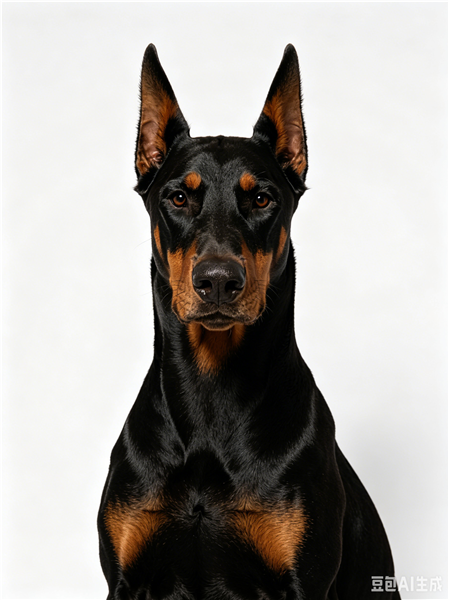
The causes of soft stool and diarrhea in Dobermans can be multifaceted. Dietary indiscretion—eating something they shouldn't—is a common culprit. Sudden changes in diet, food allergies or intolerances (often to proteins like chicken or beef, or grains), and low-quality commercial foods filled with fillers can all trigger digestive issues. Stress is another significant factor; Dobermans are deeply bonded to their families and can experience anxiety from separation, changes in routine, or new environments, which directly impacts gut health. Furthermore, the use of antibiotics, while sometimes necessary, can wipe out both bad and good gut bacteria, leading to digestive disturbances during and after treatment.
Choosing the right probiotic supplement for your Doberman requires careful consideration. Look for products specifically formulated for dogs, as their gut flora differs from humans. The product should list the specific probiotic strains and guarantee a high CFU count at the time of expiration, not just at manufacture, ensuring potency. Many effective probiotics come in powdered form, which can be easily mixed into food, or in chewable tablets that dogs enjoy. It's also beneficial to select a probiotic that includes prebiotics—non-digestible fibers that act as food for the probiotics, helping them thrive and colonize the gut. This combination is often called a synbiotic.
Beyond supplements, supporting your Doberman's gut health involves a holistic approach to diet and lifestyle. Feeding a high-quality, balanced diet appropriate for their age and activity level is foundational. For dogs with sensitive stomachs, limited-ingredient diets or novel protein sources (like salmon, lamb, or venison) may be helpful. Incorporating naturally probiotic-rich foods like plain, unsweetened yogurt or kefir (in small amounts, ensuring they are lactose-tolerant) can provide additional support. Always ensure fresh water is available, as dehydration is a risk with diarrhea. Regular, consistent exercise also promotes healthy digestion and reduces stress.
Administering probiotics correctly is key to seeing results. When starting a probiotic, introduce it gradually to allow your dog's system to adjust. Follow the dosage instructions on the product label, typically based on your dog's weight. Consistency is crucial; probiotics need to be given daily to maintain a stable population of beneficial bacteria in the gut. Improvements in stool consistency are often seen within a few days to a week, but for long-term gut balance, continuous use is recommended. Always consult with your veterinarian before starting any new supplement, especially if your Doberman has a pre-existing health condition or is on medication.

The benefits of probiotics for Dobermans extend beyond just fixing soft stool. A healthy gut microbiome is intrinsically linked to a robust immune system, with approximately 70% of immune cells residing in the gut. By supporting gut health, you are also helping your Doberman better resist infections and potentially reducing the risk of allergies and skin conditions, which can be related to gut inflammation. Furthermore, improved nutrient absorption means your dog gets more energy and vitality from their food, supporting their muscular physique and energetic nature. The mental well-being of your dog can also improve, as a healthy gut has been connected to reduced anxiety and better stress management through the gut-brain axis.
It's important to recognize when home care is not enough. While probiotics are excellent for managing chronic mild issues and promoting general health, acute, severe, or bloody diarrhea, accompanied by vomiting, lethargy, or loss of appetite, requires immediate veterinary attention. These could be signs of serious conditions like parasites, bacterial infections, pancreatitis, or ingestion of a toxic substance. Your vet can perform diagnostic tests to determine the underlying cause and recommend a treatment plan, which may include probiotics as part of the recovery process to restore gut flora after illness or medication.
In conclusion, incorporating a targeted probiotic regimen is a highly recommended strategy for Doberman owners seeking to regulate their dog's intestines and stomach and improve issues with soft stool and diarrhea. By selecting a quality canine-specific probiotic, pairing it with a nutritious diet, and managing stress, you can significantly enhance your Doberman's digestive health and overall vitality. This proactive approach to gut care ensures your loyal companion remains healthy, happy, and active, ready to enjoy every adventure by your side. Remember, a healthy gut is the cornerstone of a healthy Doberman.