Recommended Full Set of Cost-Effective Doberman Dogs, One-Stop List for Novices
Welcome to your ultimate guide to starting your journey with a Doberman Pinscher. Known for their loyalty, intelligence, and striking appearance, Dobermans make excellent companions. However, for a novice owner, the process can seem daunting and potentially expensive. This comprehensive, one-stop list is designed to break down everything you need into manageable, cost-effective steps. We will cover selecting your puppy, essential supplies, healthcare, training, grooming, and long-term care—all while keeping your budget in mind.

1. Finding Your Cost-Effective Doberman Puppy
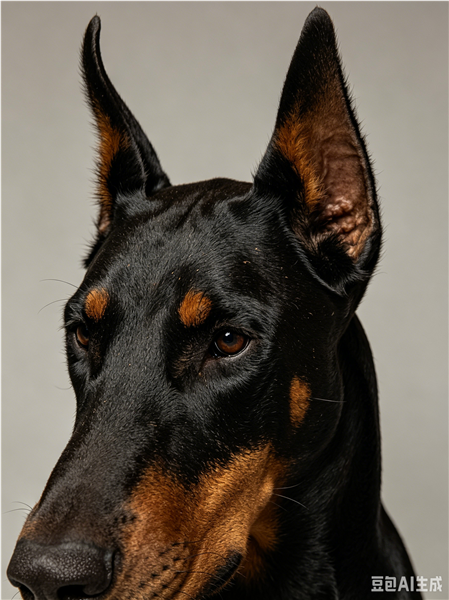
The first step is finding a healthy Doberman puppy that fits your budget. 'Cost-effective' does not mean cheap; it means getting the best value for your investment, which primarily is a healthy and well-tempered dog.
Reputable Breeders vs. Rescue: While reputable breeders often charge more upfront, they provide health clearances for genetic conditions common in Dobermans like cardiomyopathy, hip dysplasia, and von Willebrand's disease. This can save you thousands in future vet bills. A cost-effective alternative is adopting from a Doberman-specific rescue organization. Adult dogs are often already trained and vetted, and adoption fees are significantly lower.
Key Questions to Ask: Always ask for health test results of the parents. Visit the facility to see the living conditions. A good breeder will ask you just as many questions to ensure their puppy is going to a suitable home.
Initial Costs: Budget between $1500 to $2500 for a puppy from a reputable breeder. Adoption fees typically range from $300 to $600. This is your most important investment.
2. The Essential One-Stop Supply Checklist
Before bringing your Doberman home, have these essentials ready. Shopping smartly can save you money.
Food and Water Bowls: Opt for sturdy, non-tip stainless steel bowls. They are durable, easy to clean, and prevent bacterial growth compared to plastic.
High-Quality Puppy Food: Invest in a premium large-breed puppy formula. Good nutrition in the first year is crucial for proper bone and muscle development. Look for foods with real meat as the first ingredient and appropriate calcium/phosphorus levels.
Crate: A crate is not a cage; it's a safe den for your dog. Get a sturdy, wire crate that will fit your Doberman as an adult (42-48 inches). Many come with dividers to adjust the space as your puppy grows.
Bedding: Provide a comfortable, orthopedic bed, especially important for this large, athletic breed to support their joints.
Collar, Leash, and ID Tags: A flat nylon or leather collar, a 6-foot leash for training, and secure ID tags with your contact information are mandatory from day one.
Basic Grooming Supplies: A slicker brush, nail clippers, dog toothpaste and toothbrush, and dog-safe shampoo. Dobermans have short coats but shed and require regular nail and dental care.

Toys: Provide a variety: tough chew toys (like Kongs), puzzle toys for mental stimulation, and soft toys for comfort. Avoid cheap toys that can be shredded and swallowed.
3. Affordable and Preventative Healthcare Plan
Preventative care is the cornerstone of cost-effective dog ownership.
Veterinarian Selection: Find a vet you trust, possibly one experienced with large breeds. Schedule a wellness check within the first few days.
Vaccination Schedule: Your vet will provide a schedule for core vaccines (DHPP, Rabies) and may recommend others based on your location. Keep a record.
Parasite Prevention: Budget for monthly heartworm prevention and flea/tick control. It's far cheaper than treating the diseases they cause.
Pet Insurance: Seriously consider pet insurance or start a dedicated savings account. A single emergency surgery can cost thousands. Insurance for a young, healthy Doberman is relatively affordable.
Spaying/Neutering: Discuss the optimal time with your vet. This procedure prevents certain cancers and unwanted litters.

4. Foundational Training for Your Doberman
Dobermans are eager to please and highly trainable. Consistent, positive training is essential for a well-behaved companion.
Socialization (Critical): Expose your puppy to various people, dogs, sounds, and environments between 8 and 16 weeks. This builds a confident, stable adult dog and prevents fear-based aggression.
Basic Obedience: Start with essential commands: sit, stay, come, down, and loose-leash walking. Use positive reinforcement like treats and praise. Short, daily sessions are best.
House Training: Be consistent. Take your puppy out first thing in the morning, after meals, after naps, and before bed. Praise heavily for success.
Crate Training: Make the crate a positive space with treats and meals. It aids in house training and provides security.
Consider Professional Help: A few sessions with a professional trainer, especially for novice owners, can be a great investment to set you on the right path.
5. Grooming and Maintenance Routine
Dobermans are low-maintenance groomers but require consistent care.
Coat Care: Their short coat needs weekly brushing with a rubber grooming mitt or soft brush to remove loose hair and distribute skin oils.
Nail Trimming: Trim nails every 2-3 weeks. Long nails can cause pain and posture problems.
Dental Care: Brush teeth several times a week with dog-specific toothpaste to prevent periodontal disease.
Ear Cleaning: Check ears weekly for dirt or odor. Clean gently with a vet-recommended solution and cotton ball.
6. Nutrition and Diet Management

Feed a measured amount of high-quality food twice a day. Avoid free-feeding. Monitor your Doberman's weight; they should have a visible waist. Consult your vet for portion advice. Always have fresh water available. Be cautious with treats; use them primarily for training.
7. Exercise and Mental Stimulation
A tired Doberman is a good Doberman. This is a high-energy, intelligent breed.
Physical Exercise: Aim for at least 60-90 minutes of activity daily. This includes walks, runs, fetch, and play sessions.
Mental Exercise: Training sessions, puzzle toys, scent work, and learning new tricks prevent boredom and destructive behaviors.
8. Long-Term Considerations and Bonding
Your Doberman will be a member of your family for 10-13 years. Plan for the long term.
Annual Vet Check-ups: Essential for catching issues early.
Advanced Training: Consider activities like agility, rally obedience, or tracking to challenge your dog and strengthen your bond.
Quality Time: Dobermans are velcro dogs; they thrive on being with their people. Your time, attention, and love are the most cost-effective and valuable things you can provide.
By following this one-stop list, you, as a novice owner, can confidently navigate the first steps and beyond with your Doberman. Remember, the goal is a happy, healthy, and well-adjusted companion. The upfront investment in quality items and preventative care, combined with consistent training and lots of love, will ensure a rewarding life with your magnificent Doberman Pinscher.