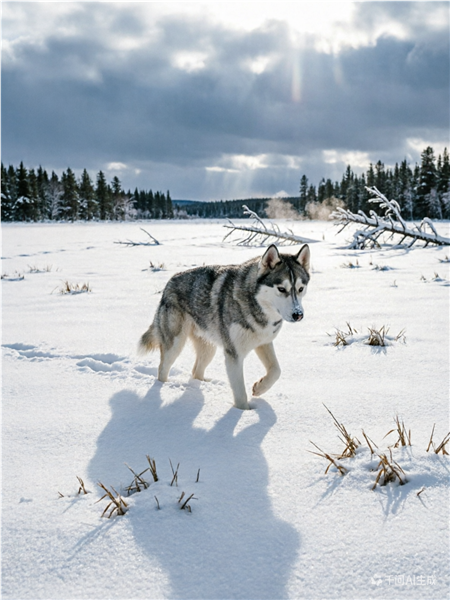
Not walking for two hours a day? Be careful if your husky turns into a "decoration team captain"
In the dog world, the husky is famous for its handsome appearance, rich expression and the title of "Erha". However, after countless novice poop shovels took this "wolf from Siberia" home with longing, they would soon encounter a critical hit in reality: the sofa was cut open, the "archaeological site" was dug out in the corner, and the corpses of slippers were scattered all over the place, and the roll of paper turned into "celestial flowers"... All of this probably stems from a simple but fatal reason-a serious lack of exercise. Today, let's discuss in depth why your "Snow Angel" can transform into the "captain of the decoration team (demolition house)" who makes your blood pressure soar in minutes for less than two hours a day.
1. Runners engraved in their genes: Husky's physiological and psychological needs
To understand the husky's demolition behavior, we must first understand their origin. Husky, scientifically named Siberian sled dog, is a working dog bred to pull sleds and trek long distances in extremely cold places. There are several core characteristics engraved in their genes:
- Extremely high endurance and exercise requirements: Historically, they had to pull heavy objects and run dozens or even hundreds of kilometers day after day. This desire for long-term, high-intensity exercise has not disappeared because they have become family pets. A simple "potty" walk every day is just a warm-up for them.
- Strong desire to work: They need "something to do." Being idle can make them feel extremely bored and anxious, and demolishing homes may be a "fun job" that consumes energy and explores the environment.
- Social and social nature: As dogs that work in teams, huskies require a lot of social interaction, including playing with their owners and other dogs. Loneliness and confinement are unbearable for them.
When these inherent needs are not met, the accumulated energy will be like steam in a pressure cooker, and a vent must be found. And your warm home has unfortunately become the most direct "pressure relief ground".
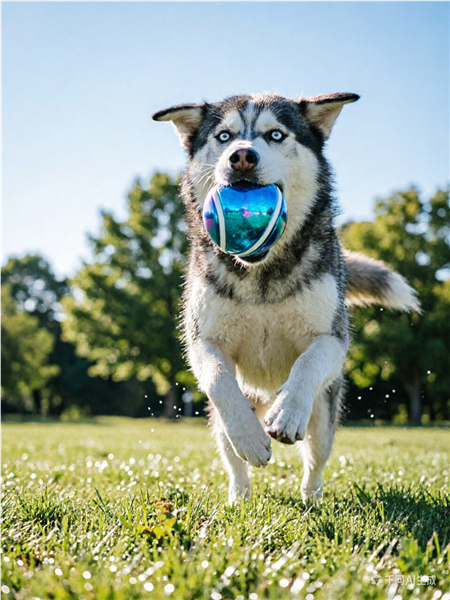
2. Overview of "decoration projects": Overview of behavioral problems caused by insufficient exercise
Insufficient exercise and mental stimulation can lead to a series of behaviors called "problem behaviors" in Huskies, which are often systematic:
1. Physical dismantling (basic engineering)
This is the most intuitive destruction. Eating furniture, door frames, corners, slippers, books, remote controls... anything they can touch can suffer. This is not only because there is no place to vent energy, but it may also be due to itching during the tooth replacement period, or simply because of boredom, you use your mouth to explore the world.
2. Escape attempt (Demolition Office Planning)
Husky is a famous "escape master". Digging holes, jumping walls, opening cages, and even learning to open doors are all to escape restrictions and run into a wider space. Behind this lies an instinctive desire for freedom and exercise.
3. Noise pollution (construction accompaniment)
The famous "wolf howling" is not always sad, sometimes just a boring "sing a song" or calling out to your companions (including you). Continuous barking and howling is their way of expressing dissatisfaction and seeking attention.
4. Excessive excitement and pouncing
When going out, because your energy is suppressed for too long, once you go out, it may go out of control and burst like a "cannonball" and pounce on passers-by or other animals, making it difficult to call back. This is not that they are disobedient, but an inevitable rebound after long-term suppression.
5. Anxiety and compulsive behavior
In extreme cases, it may develop into stereotyped behaviors such as circling around, chasing the tail, excessively licking somewhere in the body until being injured, which is a sign of serious psychological problems.
Three or two hours is just the starting point: How to scientifically "walk" the husky?
"Two hours a day" is a widely circulated benchmark, but scientific exercise plans go far beyond that:
- Quality over quantity: Two hours of slow walking may not be as good as 45 minutes of high-intensity running or pulling games. The key is to exercise their cardiopulmonary function and truly feel tired. Riding with running, throwing and catching balls on a safe field, and using elastic ropes for tug-of-war are all good methods.
- Brain expenditure is equally critical: Huskies are smart. Performing obedience training, sniffing games, and educational toys (such as Kong stuffed with food, sniffing pads) consumes as much energy as physical exercise. A 15-minute formal training can make their brains "freeze" and rest obediently.
- Enriching the environment: Even at home, make the environment interesting. Regularly rotating toys, hiding snacks for them to find, and providing safe bites (such as antlers and cow bones) can effectively reduce interest in furniture.
- Socialization and diversity: Regularly take it to a dog park (to ensure that the vaccines are complete and have the right personality) to play with others, or change different dog walking routes to be exposed to new smells and new environments, which can greatly satisfy their curiosity and social needs.
4. Preventing "demolition" before it occurs: Comprehensive family management strategies
In addition to adequate exercise, daily management is the last line of defense for home decoration:
- Training in cages: Arrange the air box or cage into a safe and comfortable "bedroom" and let the husky rest in it when you cannot supervise (such as going out to work) to effectively avoid damage. This requires gradual positive training rather than punishment.
- Zoning management: Use playpens to restrict dogs to areas with floor tiles and few furniture (such as kitchens and balconies) to reduce destructible targets.
- Item management: Always do a good job in "strengthening the wall and clearing the field". Store small items such as shoes, tissues, and charging cables well so as not to give them a chance to make mistakes.
- Timely correction and positive guidance: When you find that it is chewing on the wrong item, say "no" in a firm and calm tone, immediately hand over its exclusive toy, and strongly praise it when it is chewing on the toy. Let it understand "what can bite".
5. Understanding and patience: You are not punishing, you are helping
The most important thing is to change your mentality. The husky's "demolition" was not out of malice or revenge, but the inevitable result of unmet needs. Punishing the scene of destruction discovered afterwards has no effect other than making the dog afraid and confused. The key lies in prevention and diversion.
As owners, it is our responsibility to provide them with a lifestyle that is in keeping with their nature. This means you need to invest time, energy and intelligence. When you see him sleeping contentedly at home with plenty of exercise and mental satisfaction, you will know that all the effort was worth it. It is no longer the "decoration captain" who gives you a headache, but your loyal, happy and balanced life partner.
In short, welcoming a husky into the family is a commitment to an active lifestyle. If you love the outdoors, enjoy running, and are willing to explore the world with your dog, then a husky will be your unparalleled adventure companion. Conversely, if your pace of life is slow and you can't provide the large amount of activity they need, then choosing a dog breed with lower exercise needs will be a more responsible love for you and your dog. Remember, a tired husky is a happy husky; and a happy husky is a quiet "family decoration" rather than a "decoration team captain".
Starting today, re-examine your exercise plan with your child. Bring water, tie the traction rope, explore further afield, and release the power of the wild that may turn into destruction. Your home, and its happiness, depend on this.