In the world of the Internet, husky (Siberian sled dog) has almost become synonymous with "silly" and "demolition". Their wisdom (?) Their blue eyes, rich emoticons, and behavior that seems to be always out of the situation have earned them the nickname "Erha". However, back in time a century, in the icy and snowy polar wilderness, this dog breed bears a completely different mission and glory-they are the most trusted partners of explorers, the lifeline of communication and transportation, and the real hero who saved tens of thousands of residents in a life-and-death epidemic. Today, let us break through the fog of online memes and walk into that shocking history.
1. Origin: Siberian ice elves
The Husky's hometown is in the distant and cold northeastern Siberia. There, the ancient Chukchi people cultivated this dog in order to survive in extremely harsh environments. They are not pets, but indispensable working partners. The Chukchi people's selection of dogs is extremely strict: only those individuals with gentle temperament, amazing endurance, good teamwork skills, and strong survival wisdom are allowed to reproduce. Therefore, the original husky was a high-performance working dog that combined strength, endurance, intelligence and docility. Their main task is to pull lightweight sleds for long distances to help humans hunt and migrate. On the silent snowfield, they are the only moving force humans can rely on.
2. The turning point of destiny: Alaska and the Gold Rush
In the early 20th century, the Alaska gold rush brought huskies to the North American continent. Explorers and businessmen soon discovered that this medium-sized, thick-furred, and indefatigable breed was the perfect means of transportation for the harsh Alaskan winter. They are more agile than large dogs, hardier than horses, and have unparalleled advantages in deep snow and complex ice surfaces. It was here that the Husky "sled dog" saga officially kicked off. They participated in numerous expeditions and postal transports, and their reliability and endurance were widely recognized, setting the stage for the great rescue that followed.
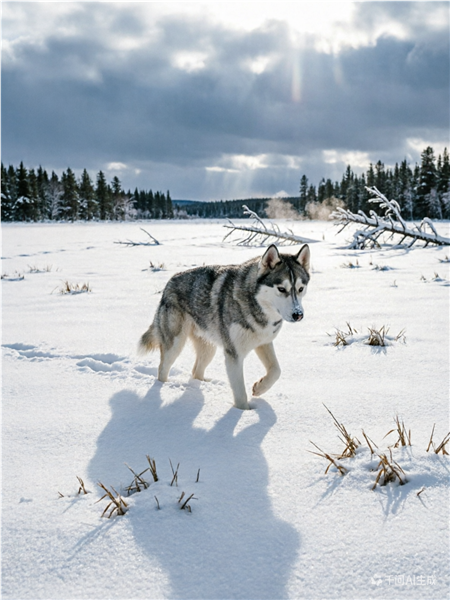
Speed of Life and Death: 1925 Norm Serum Relay
This is the most glorious chapter in the hymn of husky and human courage. In January 1925, a diphtheria epidemic broke out in Nome, Alaska. It is a highly contagious and fatal disease, and Nome's serum reserves have long expired. The most recent serum is stored nearly 2000 kilometers away in Anchorage. It was a severe winter, with blizzards raging and temperatures as low as minus 40 degrees, making all modern means of transportation-planes and ships-impassable. The only hope lies in the traditional sled dog postal route.
A relay transport consisting of 20 bobsleds and 150 bobsleds dogs began. The route is divided into several sections, and each sled driver is responsible for the most familiar section, racing against death in a relay manner. Among them, the most difficult and famous part of the journey was completed by legendary bobsleigh driver Leonhard Sepala and his husky leader dog "Togo". Sepala chose to cross the dangerous ice surface of Norton Bay, a shortcut but also the path of death. The ice could break at any time, and snowstorms reduced visibility to zero. With its extraordinary intuition and leadership, Togo stabilized the team's direction in the stormy winds and snowstorms, led the team to successfully cross the crisis-ridden ice, completing the longest (about 418 kilometers) and most dangerous journey.
In the end, after 5 and a half days of day and night travel, the serum was successfully delivered to Nome. The town was in flames when Gunnar Carson, the last bobsleigh driver, drove a team of sled dogs into Nome. This great relay saved the lives of tens of thousands of residents. News spread across the United States, and the Husky sled team became national heroes.
4. The return of the hero and the birth of "Erha"
Interestingly, most of the honors at the time were awarded to the sled team that delivered the serum last (its leading dog, Barto, was stuffed and displayed in the museum). Togo and Sepala, who have truly made great achievements, did not receive equal attention at first. It was not until history was sorted out more carefully that Togo's wisdom and courage were re-recognized by the world. It was praised as "the greatest sled dog of all time."
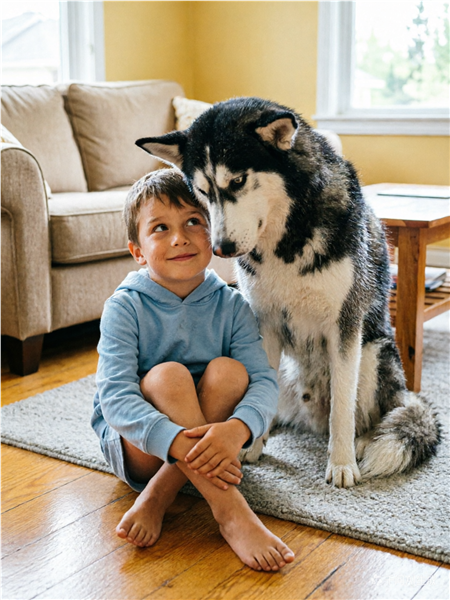
So, how did the descendants of heroes become today's "Erha"? This is mainly due to the tremendous changes in the environment after they entered the role of family pets. Husky's nature is a working dog with high IQ, high energy and high autonomy. They require a lot of physical exertion and complex mental activities. When they are housed in city apartments from the vast snowfields and cannot get enough exercise and responsibility, their excess energy and ingenuity turn to "creative" destruction-demolishing homes, escaping prisons, and singing "howling opera." They are not really "stupid". On the contrary, they are expressing boredom and demands in their own unique ways. Those seemingly foolish behaviors often contain the intention of testing, solving problems (such as opening the door themselves), and interacting with the owner.
5. The real husky: Tear off the label of "silly"
Let's get to know this dog breed again:
- Extremely high IQ and autonomy: Huskies are not low in canine IQ rankings. They learn instructions quickly but have relatively low compliance. This is because as ancient working dogs, they often need to judge ice conditions and routes by themselves without instructions from their owners. This independent thinking ability is deeply imprinted in their genes. So, it's not that they don't understand, but they're thinking about "why should they listen to you".
- Endless energy and endurance: They are marathon runners, not sprinters. You need at least 1-2 hours of high-intensity exercise every day, otherwise "demolishing your home" will be the inevitable result.
- Excellent teamwork: They are generally friendly with other dogs and humans and are low in aggression, which stems from a history of close collaboration in bobsledding teams.
- Meek and friendly: They are also friendly to strangers, making them bad watchdog but good family companions.
- Unique communication method: They rarely bark, but more bark, moan and various rich "emoticons". This is a communication system developed in long-term field work.
6. How to get along with the descendants of the "Polar Heroes"?
If you are attracted by their history and true character and want to become a husky owner, make sure you make the following preparations:
- Provide adequate exercise: Activities such as running, cycling, and bobsledding (in a safe environment) are crucial.
- Mental stimulation: Educational toys, sniffing games, and forward training can consume their brain power.
- Strong guardrails and guarding: They are masters of jailbreaks and escapes, and strong fences and traction ropes are the bottom line of safety.
- Accept their seasonal hair loss: the legend of "shedding twice a year, shedding for half a year at a time" is true and needs to be sorted out regularly.
- Build leadership relationships with patience and understanding: you need to win their respect and cooperation in a firm, consistent and positive way, rather than simply coerced obedience.
Conclusion: When we see the husky's seemingly "not very smart" expression again, please remember that under this face, the blood of a polar hero flows. With their fearless courage and extraordinary wisdom, they opened up a way for mankind in the snowstorm. Today's "two" and "demolition" are to some extent the dislocation and cries of their ancient souls in modern society. Only by understanding their history and respecting their nature can we coexist harmoniously with these beautiful ice and snow elves and truly appreciate their hidden wisdom and pride from the Siberian wilderness. So, who dares to call a husky stupid? They are saviors remembered by history.