hamster
hamster
Hamsters: The perfect guide to raising small pets for beginners
Among the many pet choices,hamsters have become the pet of choice for many urban young people and children due to their petite and cute size, quiet living habits and relatively low feeding costs. Whether you're looking for a companion who doesn't take up space or want to choose your child's first pet, a hamster is an excellent option. This article will provide you with a comprehensive analysis of all aspects of hamsters and help you easily start your journey of raising mice.
1. A complete list of common hamster breeds
Pet hamsters on the market are mainly divided into two camps: dwarfs and bears.
- Third-line hamster (Gakalia): Themost docile personality and extremely adaptable. It is the absolute first choice fornovices to raise hamsters. Common varieties are silver fox, zicang and other varieties.
- First-line hamster (Campbell):A relatively lively and active character, sometimes a more grumpy temper, and a strong sense of territory, requiring the owner to have more patience to get in.
- Pudding hamster and milk tea hamster: Itbelongs to the artificially cultivated coat color variant of the third-line hamster. It has a round and lovely appearance, but some genes may have health hazards, so attention should be paid to screening when purchasing.
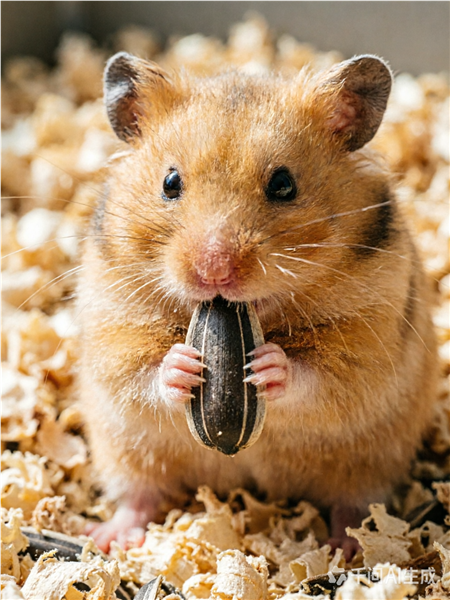
- Golden Bear (Syria Hamster):Larger, higher IQ, and better interactivity. They must live alone and have higher requirements for living space than dwarf hamsters, but they are usually more stable and have more stable personalities.
2. The living environment and cage layout of the hamster
Many novices mistakenly think that hamsters can be kept in small boxes. This is actually a serious misunderstanding. Scientific layout ofhamster cages is the key to ensuring their physical and mental health.
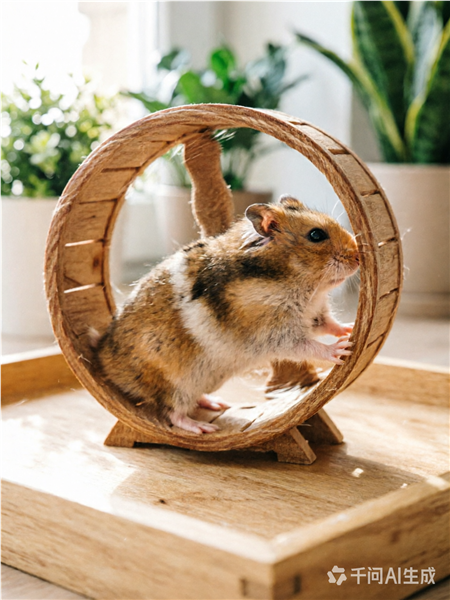
First of all, chassis area is crucial. It is recommended that the basic area be no less than 40cm to 30cm for dwarf hamsters, and that for golden bears, it need more than 60cm to 40cm. Secondly, hamsters are natural runners, and a silent running wheel of the right size is indispensable (the diameter is recommended for dwarfs or more than 17cm, and the golden bear recommends for more than 21cm) to prevent them from deforming their spine or depression due to lack of exercise. In addition, it is necessary to prepare enough dust-free paper, cotton or wood chips as bedding to satisfy their nature of digging and digging. Food basins, kettles and escape houses are also basic configurations. It is recommended to set up more escape houses to increase their sense of security.
3. What do hamsters eat? Scientific diet collocation
Regardingwhat hamsters eat, the core principle is to focus on staple foods and supplement snacks.
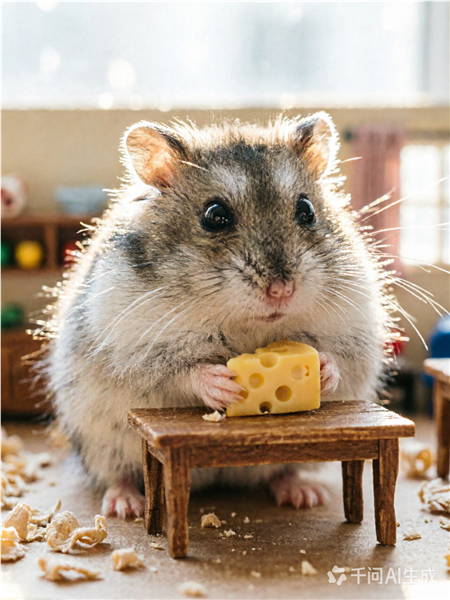
Please choose a nutritionally balanced professional hamster synthetic grain or mixed grain grain as your staple food. You can feed in moderation fresh vegetables (such as washed and dried carrots, broccoli) and a small amount of high-protein snacks (such as boiled chicken breast, breadworms, and freeze-dried tofu). Absolute taboos include human snacks (salt and sugar), chocolate, onions, garlic, citrus fruits and apple seeds, which are deadly poisons for hamsters. In addition, hamsters have the habit of hiding food. Don't throw away all stored food when cleaning the food basin every day to avoid causing anxiety.
4. Daily care and health observation
Hamsters are very clean-loving animals and can comb their own hair, so they must never take a bath with water! Washing water can easily lead to loss of temperature or pneumonia death. The correct thing to do is to provide special bath sand that will roll in to clean the body.
In daily interactions, please follow the principle of resting first and interacting later. The little hamsters who have just arrived home are very timid. In addition to adding water and food for the first 3-5 days, try not to disturb them. After they are familiar with the environment, try hand-feeding to build trust. If a hamster is found to have a wet tail (the hair near the tail is moist and smelly), refuses to eat, is listless, or has abnormal hair loss, be sure to seek medical advice or consult a professional promptly.
5. Life expectancy and price reference for hamsters
Understanding your pet's life cycle is a sign of responsibility for life. Hamstersusually have a short life span, averaging about two to three years. In this short life, your careful care can make them live happier and longer.
As forthe hamster price, the whole is very close to the people. Ordinary third-line, silver fox and other varieties usually cost between 10 yuan and 30 yuan; good pudding and milk tea may cost between 30 and 50 yuan; and the price of larger golden bears varies between 20 and 60 yuan depending on the color. Although it is cheap to buy mice, the early investment in hardware such as cages and running wheels, as well as the monthly food rations consumption are the main costs of breeding. Please make a budget plan before purchasing.
All in all, raising hamsters is not only a pleasure, but also a heavy responsibility. As long as you master scientific breeding knowledge and give them enough respect and care, these furry elves will definitely use their unique cuteness to heal your every day.
Related Pets

Husky