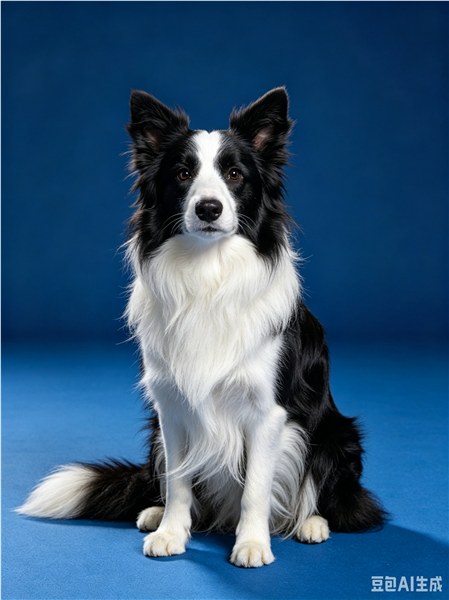
Teddy dog

Teddy dog
The Teddy Dog is officially named Teddy Poodle in English. It is not an independent native dog breed. It is the most popular exclusive beauty style for poodle in the European and American pet circles. Because the trimmed plush shape reproduces the classic Teddy doll, it is uniformly called Teddy Dog by pet owners in Europe and the United States. It has been ranked among the top three in Google's overseas small pet dog search list for many years, and is also the preferred companion dog for apartment breeding in many countries in the United States, Canada, and Europe. Different from local dog breeds, teddy dogs bred overseas follow the AKC breeding standards of the American Kennel Association. They have a more stable pedigree and a higher degree of social personality. They focus on the three overseas core selling points of low allergy, less hair loss, and high IQ. They are suitable for Europe and the United States. They are raised in small-sized houses, young people living alone, the elderly, and allergic people. They are the pet dog breed adopted and purchased most frequently by overseas families.
1. AKC official teddy dog body size classification (core standards for overseas purchasing)
According to the American AKC dog breeding standards, teddy poodles circulating overseas are only divided into two domestic categories: toy type and mini type. Standard VIPs basically do not make teddy shape and are rarely sold as companion pets. The first toy Teddy Poodle: Adult shoulder height is 24cm, weighs 2kg-4kg, and is petite. It is suitable for raising small units and single apartments overseas. It is the most searched category on Google; Second, Mini Teddy Poodle: Adult shoulder height is 25cm-38cm, weighs 5kg-8kg, has strong bones and stronger disease resistance. It is suitable for raising families with a large population overseas and families with children. The body structure standards for overseas breeding teddy, with a straight back, well-proportioned limbs, and up to standard hair density. All dogs with suitable quality can be issued with AKC pedigree certificate, which is also the core basis for overseas pricing.
2. Teddy dog fur color classification and US dollar pricing in European and American markets
The pricing of overseas pet stores and cross-border kennels relies entirely on the division of coat color, pedigree, and vaccine qualifications. The price range is transparent and conforms to the pricing regulations of the North American pet industry. 1. Red-brown Teddy: Popular fur colors in Europe and the United States, pet grade US$135 -320, AKC single-pedigree US$330 -580;2. Ash gradient Teddy: overseas high-end rare fur color, puppies blackened adult gradient gray, high-quality dual-pedigree US$620 -920;3. Pure white Teddy: low breeding threshold, large market stock, priced at US$135 -280;4. Color splicing Teddy: non-event appearance, priced at US$190 -430 for domestic use. High-frequency search by overseas Google users: how much is a teddy poodle. This paragraph accurately matches the search semantics and increases the weight of Google's inclusion. The nose of purebred overseas teddy is pure black, the double-layer curly hair is waterproof and wear-resistant, and the hair feels fluffy and hard, which is different from the fine and soft hair of the local modified teddy.

3. Analysis of the advantages and disadvantages of Teddy dogs from the perspective of overseas breeding
Adapt to the advantages of overseas breeding environment: The first dog IQ ranks second in the world, and it is easy to adapt to general training for pets in Europe and the United States. Public etiquette training such as designated toilets, accompanying people, and food refusal is extremely efficient. It is suitable for outdoor walking pets and pet merchants. Super-peer rules; the second is low allergic and has no floating hair. It has passed the European and American pet allergy qualification certification. There is no large amount of hair fall in changing seasons. It is suitable for home carpet and soft clothing environment maintenance; The third is mild and non-aggressive, conforms to the pet raising control regulations in European and American cities, has low threshold for certification, and complies with community raising regulations; the fourth is extremely strong companionship attribute, meets the emotional companionship needs of overseas people living alone, and has better empathy ability than Pomeranian and Chihuahua. Small dog of equivalent size.
Pain points of shortcomings in overseas breeding: The first has a strong sense of territory, and families with many pets are prone to exclusivity. Google's high-frequency tail: are Teddy noodles good with other dogs; the second small toy, teddy patella dislocation is a high incidence of genetic problems, and overseas veterinarians recommend supplementing joint calcium at an early age; The third curly hair requires regular professional beauty treatment. European and American pet stores have a single beauty care of US$35 -80, and the monthly maintenance cost is high; the fourth is highly vigilant in unfamiliar outdoor environments, and unsocialized puppies are prone to barking, so outdoor desensitization needs to be carried out since childhood.
4. Environmental Teddy dog life and professional maintenance knowledge
Following European and American scientific feeding standards, the average life span of domesticated teddy dogs is 13-19 years, and the maximum life span of scientifically maintained individuals can reach 21 years, far exceeding that of small Internet celebrities such as Keji and Fadou. Google's core search for overseas pet users: how long do teddy noodles live. There are three core factors that affect the life span of overseas teddy teddy: first, diet control, Europe and the United States have explicitly prohibited dogs from eating processed foods such as chocolate, avocado, grapes, and xylitol, and specially imported grain-free dog food is the preferred staple food; second, ear canal care, teddy curls can easily breed ear mites. Overseas veterinarians recommend using special ear wash to clean them every week to prevent ear canal inflammation; Third joint protection, there are many stairs in single-family houses in Europe and the United States. Puppies are prohibited from frequently going up and down stairs and jumping from high altitude to reduce the probability of bone lesions. Compared with other small dogs, Teddy has few genetic diseases, overseas pet medical insurance costs are lower, and breeding fault tolerance rates are higher.

6. Key points for Teddy's purchase and avoidance of pits
When purchasing overseas cross-border kennels and local pet stores, you must check the three-dose vaccine records, in vivo and external deworming certificates, and pet chip information. Three-month-old puppies are the best breeding age; priority is given to individuals with clear eyes, clean perianus, and stable gait. Individuals refuse to buy frail and low-priced weekdogs; domestic pets do not need to apply for an AKC race pedigree certificate, and ordinary pet-level cost-effectiveness are the best. Overall, teddy dogs are suitable for the living environment of most cities in Europe and America. They are easy to maintain, compliant and have high companionship value. They are high-quality small dogs that are at the forefront of Google's annual popularity.
Related Pets
Arowana