budgerigars
budgerigars
1. Introduction and legality of budgerigars
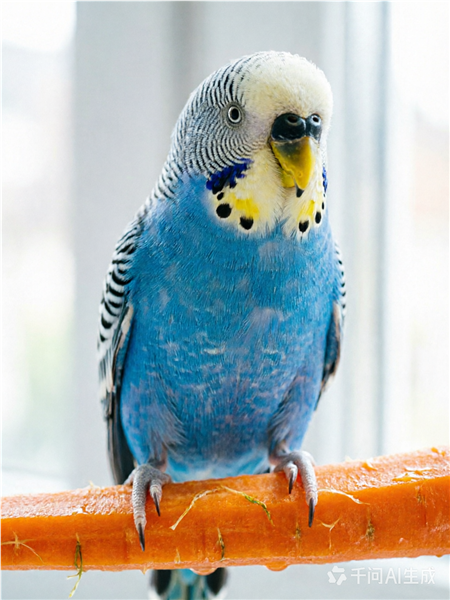
Melopsittacus undulatus, also known as Jiaofeng and Colorful Phoenix, belongs to a small climbing bird of the Parrots family. They are native to the inland areas of Australia, arid grasslands and bushes, and are one of the most common pet birds in the world. In my country, the vast majority of parrots are nationally protected animals and are strictly prohibited from raising them privately. However, budgerigars, peach-faced peony parrots, and Xuanfeng parrots are currently the only three species of parrots that can be legally raised in China. They are lively, have crisp calls and are easy to domesticate. They are the first choice pets for countless novices to enter the world of birds. Due to its extremely high adaptability and friendly price, budgerigars have always maintained a high popularity in the pet market.
2. External characteristics and distinction between male and female
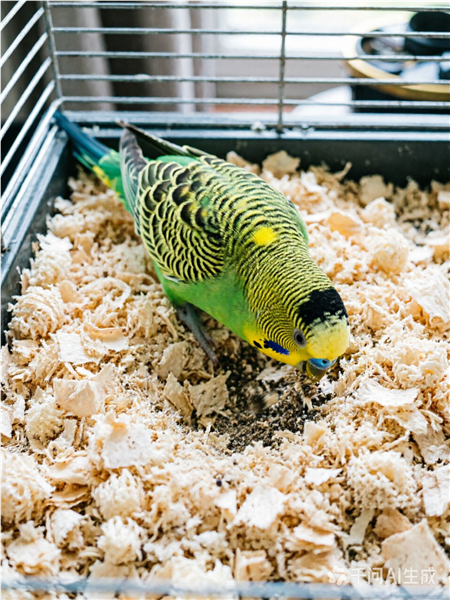
Adult budgerigars are usually between 16 and 18 centimeters long and weigh about 35 grams. Their heads are round, their beaks are hooked, and their body feathers are colorful and changeable. Common colors are yellow, green, blue, white, etc., and their head, neck and back often have black horizontal stripes like tiger skins. This is also the origin of their name. The most intuitive way to distinguish between male and female budgerigars is to observe the color of the wax film above the beak: the wax film of adult male birds usually appears light blue or bluish blue; while the wax film of adult female birds is flesh-color or flesh-brown, which will turn dark brown with obvious folds during the breeding period. In addition, male birds are generally more mobile, like to move around and bite less vigorously; female birds are more territorial and sometimes more aggressive. When shopping, novices can easily identify them through these characteristics.
3. Life expectancy and personality characteristics
In an artificially scientifically raised environment, the average life expectancy of budgerigars is about 7 years. If taken care of properly, some individuals can even live to more than 10 years. They are lively and bold. Although they are not as good at imitating human language as large parrots, some individuals can learn simple syllables or short sentences after patient training, and their tones are crisp and cute when imitating sounds. Budgeriars rarely actively attack humans and are full of interactivity, but they need to be careful when raising them. They are inherently aggressive. Even if they are raised in pairs, the female bird occasionally bullies the male bird. Therefore, it is necessary to closely observe their relationship when raising in groups or cohabitation to avoid bloody conflicts.
4. Breeding and breeding
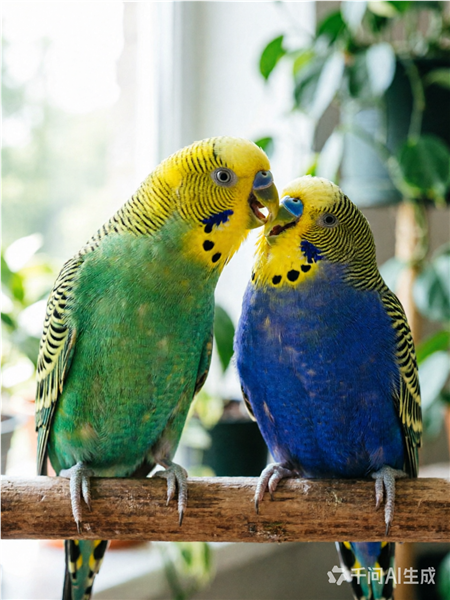
The budgerigars have a strong reproductive ability. They can reach sexual maturity at 6-8 months old under artificial breeding and can reproduce all year round. During the breeding season, the male bird will take the initiative to bow his head, tidy his feathers, and feed the female bird in good faith. After receiving it, the female bird will lay eggs in a wooden breeding box (covered with shredded wood chips), usually laying 4-8 white oval eggs per litter. The incubation period is about 18-20 days and is mainly responsible for the female bird. After breaking the shell, the chicks are exposed all over their bodies and need to be fed with ruminant milk by their parent birds. After about 30-35 days, their feathers are fully grown, they can leave the nest independently. For owners who want to experience the joy of breeding, providing a quiet, light-protected environment is the key to success.
5. Guidelines for Scientific Breeding and Overwintering
The breeding threshold for budgerigars is low, and metal cages of appropriate size (recommended not less than 40cm 30cm 30 cm) need to be prepared daily. Natural branches are placed in the cages as perches to help them sharpen their beaks and nails. Food should be mainly mixed grains (such as millet, barnyard grass, oats), paired with fresh vegetables and regular cuttlefish bones to supplement calcium. Remember not to feed poisonous foods such as onions, chocolate and avocados. In terms of environmental management, it is necessary to keep the cages clean, clean the feces once or twice a week and change drinking water every day. When wintering in winter, the temperature needs to be turned off well. The indoor temperature should be no lower than 16℃. If necessary, a thermal insulation cover or warming mat can be used, but pay attention to ventilation and avoid direct air conditioning blowing. At the same time, the bird cage should be hung in a sunny, dry, ventilated and quiet place, away from kitchen fumes. When conditions permit, the parrots should be allowed to bask in the sun every day to ensure that they survive the cold winter healthily.
Related Pets
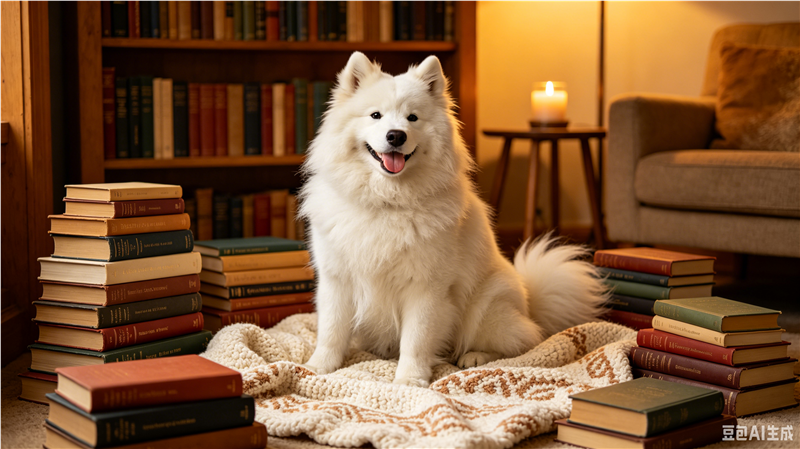
Samoyed