Persian cat
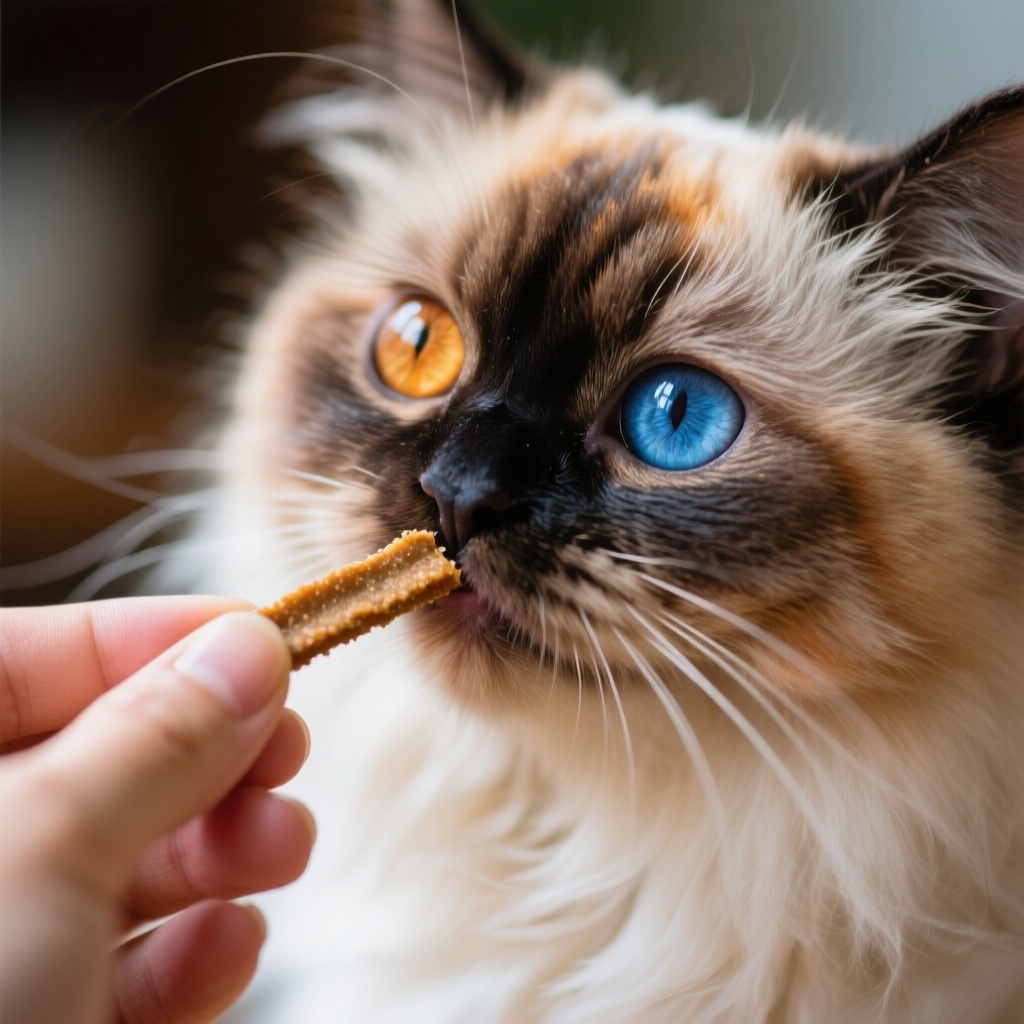
Persian cat
Persian cats: A comprehensive guide to raising the elegant and noble cat Princess of China
The Persian Cat, scientific name Felis catus, is one of the oldest and most popular purebred cats in the world. They are famous for their extremely gorgeous thick long hair, round and lovely faces and gentle character. They are known as the prince of cats and the princess of cats in the cat world. If you are considering welcoming a Persian cat into your life, a comprehensive understanding of its habits, care needs, and health considerations is essential.
1. Historical origin: From the Persian Plateau to the global aristocracy
The history of Persian cats dates back to the 16th century or even earlier. Their ancestors originated in the Persian (present-day Iran) plateau. Around 1620, the famous Italian traveler Petrodelaval introduced this long-haired cat from Persia to Europe, and then French naturalists also brought it from Turkey to France. Over the next two centuries, these long-haired cats spread rapidly in Europe and became pets symbolizing identity and status. In the 19th century, British breeders began to conduct planned breeding and established modern standards for its pudgy body, round head and short nose. In 1871, the Persian cat made its stunning debut at the first cat exhibition in London, England, and was recognized as one of the basic breeds by the International Cat Love Federation (CFA) in 1906.
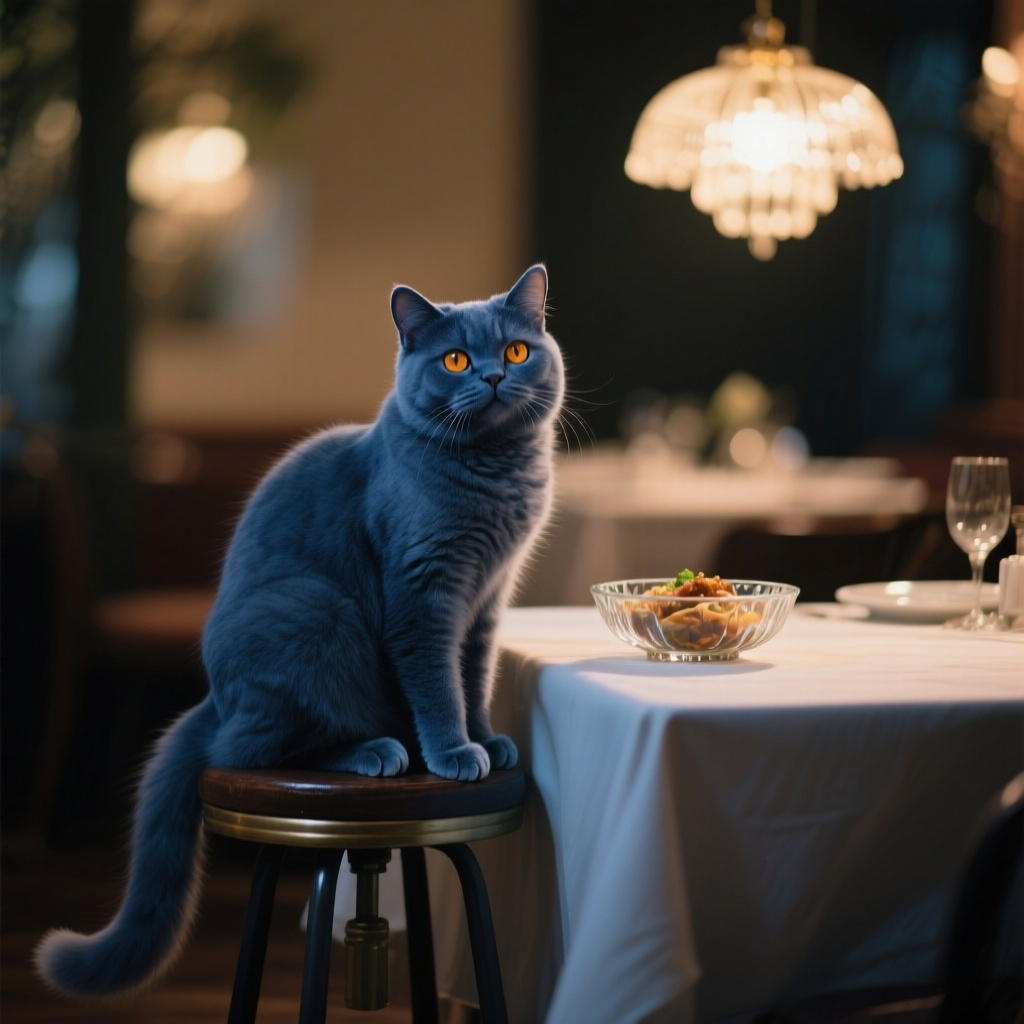
2. Appearance characteristics: extreme roundness and gorgeous
The Persian cat's appearance is highly recognizable. They are medium-sized, weighing between 3.5 and 7 kilograms, with a robust, rounded torso and thick bones. Most striking are their head features: round and broad head, full cheeks, domed forehead; small, round, low and wide ears; large, round, bright and expressive eyes. In addition, Persian cats typically have short nasal passages, stubby limbs, short tails, and fluffy fur. Their coat is a truly gorgeous coat. The outer coat is long and soft, the inner coat is extremely rich, and the coat colors and patterns are extremely diverse, including dozens of color systems such as pure white, silver gradient, and hawksbill color.
3. Character analysis: A quiet and elegant companion
The character of the Persian cat can be regarded as a model of the perfect companion animal. They are extremely gentle, friendly, elegant, and very friendly to people and full of dependence. Unlike other lively and active cats, Persian cats are naturally endowed with Buddhist attributes. They prefer tranquility but are not good at strenuous exercise. They only need 20 to 30 minutes of light interaction every day to satisfy them. They like to lie quietly on the sofa or windowsill to accompany their owners, making them excellent static companions. Persian cats have a slender and pleasant cry, rarely loud and noisy, and can keenly sense the owner's emotions. They are very suitable for retirees, home office workers or families seeking stable companionship.
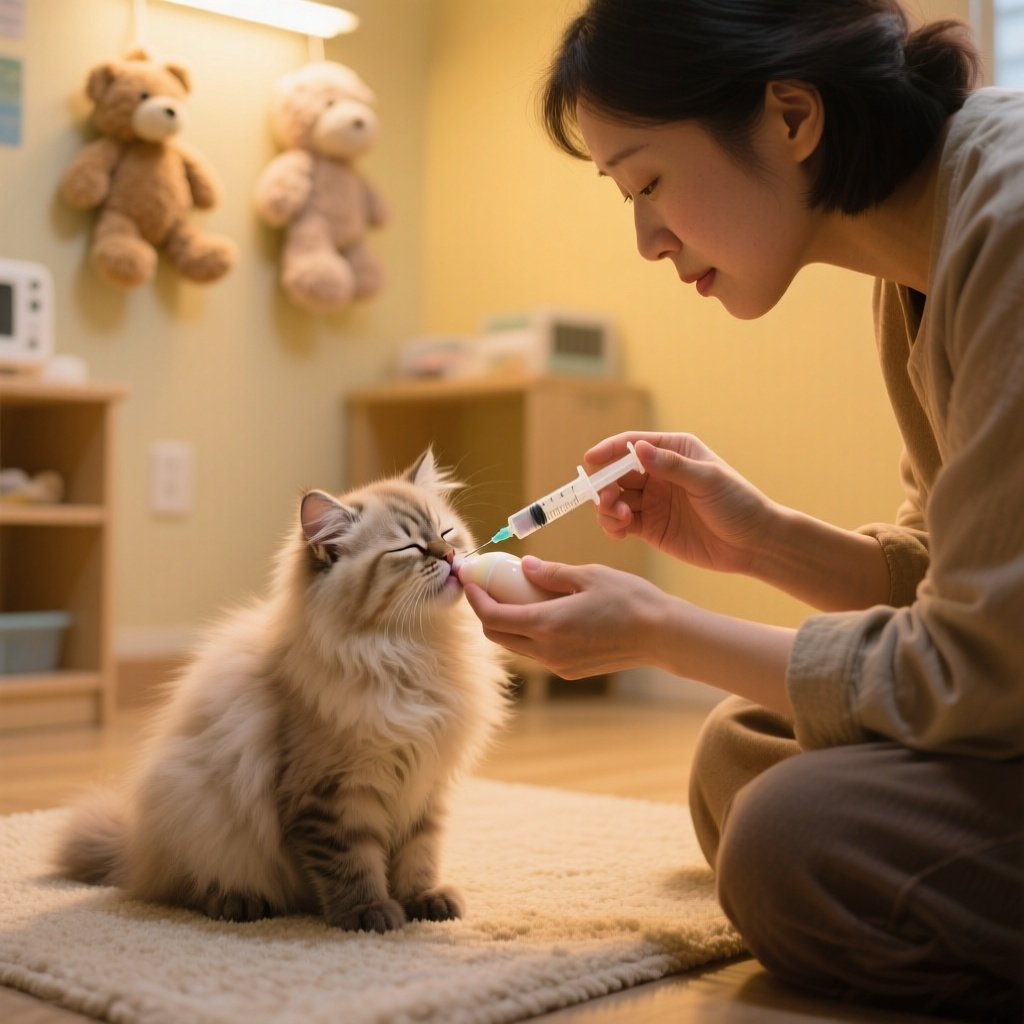
4. Daily feeding and care: exquisite life requires patience
Raising Persian cats requires a lot of time and energy. The first is hair care. Because the coat is long and dense, it is easy to knot, the owner must use a row comb, needle comb and bristle brush to comb it every day to prevent hair entanglement and bacteria from growing. The second is facial cleaning. The developed lacrimal glands and short nose structure of Persian cats cause about 80% of individuals to easily develop tear stains, and require wiping the eyes with alcohol-free wipes every day. In terms of diet, Persian cats are more picky about food and have the habit of recognizing food. It is recommended to provide high-quality cat food with high protein and low fat, and note that they are generally lactose intolerance, so do not feed milk. In addition, they are not heat-resistant, and indoor temperatures need to be strictly controlled in summer to prevent heatstroke.
5. Health and genetic diseases: Scientific prevention is the key
As artificially bred purebred cats, Persian cats have some genetic diseases that require special attention. The most famous is polycystic kidney disease (PKD), with a global prevalence of 40% to 50%. Genetic testing is recommended for kittens at 8 weeks of age to rule out risk. The second is hypertrophic cardiomyopathy (HCM), which requires regular cardiac ultrasound examinations. In addition, due to the special flat face structure, Persian cats are prone to short-cephalic tracheal syndrome, resulting in greater respiratory resistance, and their breathing conditions need to be closely observed daily. As long as regular physical examinations, scientific feeding and careful care are carried out, Persian cats can usually accompany their owners for 15 to 20 years.
Related Pets
budgerigars

Chinese pastoral dog