Analysis of Doberman Dogs' Frequent Drinking Water Behavior: A Comprehensive Guide
Observing your Doberman Pinscher lapping up water more frequently than usual can be a source of concern for any responsible pet owner. While a quick drink after a walk or play session is normal, persistent and excessive thirst, medically known as polydipsia, warrants a closer look. This comprehensive analysis delves deep into the myriad reasons—both benign physiological and serious pathological—behind a Doberman's increased water consumption. Understanding these factors is crucial for early detection of potential health issues and ensuring the well-being of your loyal companion.
Understanding Normal Water Intake for Dobermans
Before labeling your dog's behavior as excessive, it's essential to establish a baseline for normal hydration. The general veterinary guideline suggests that a healthy dog drinks approximately 20 to 70 milliliters of water per kilogram of body weight per day. For a Doberman, which typically weighs between 30 to 45 kilograms (66 to 99 pounds), this translates to roughly 0.6 to 3.15 liters of water daily. However, this is a broad range, and individual needs vary significantly based on several key factors:
- Diet: Dogs fed primarily dry kibble will naturally drink more water than those on a wet or raw food diet, which has a higher moisture content.
- Activity Level & Environment: An active Doberman or one living in a hot, dry climate will require more fluids to regulate body temperature and compensate for panting.
- Life Stage: Lactating females have dramatically increased fluid needs. Puppies may also drink more frequently as they learn to regulate their intake.
Monitoring your dog's daily water intake over a week can help you establish their personal normal range. A sudden, sustained increase of 50-100% above this baseline is a clear signal to investigate further.

Physiological (Non-Medical) Reasons for Increased Drinking
Often, a spike in water consumption is perfectly normal and tied to lifestyle or environmental changes. These are typically temporary and resolve once the triggering factor is removed.
Dietary Influences
The type of food your Doberman eats is a primary driver of thirst. High-sodium treats, human food scraps (like salty chips or cured meats), or a sudden switch to a drier, saltier kibble can trigger excessive drinking as the body attempts to flush out the excess sodium. Always check the sodium content in commercial treats and avoid feeding table scraps.
Exercise and Environmental Heat
Dobermans are high-energy dogs. A prolonged exercise session, a vigorous playdate, or simply a hot summer day can lead to significant water loss through panting. Increased drinking post-activity is the body's essential cooling and rehydration mechanism. Always provide ample fresh, cool water during and after exercise, especially in warm weather.
Lactation and Pregnancy
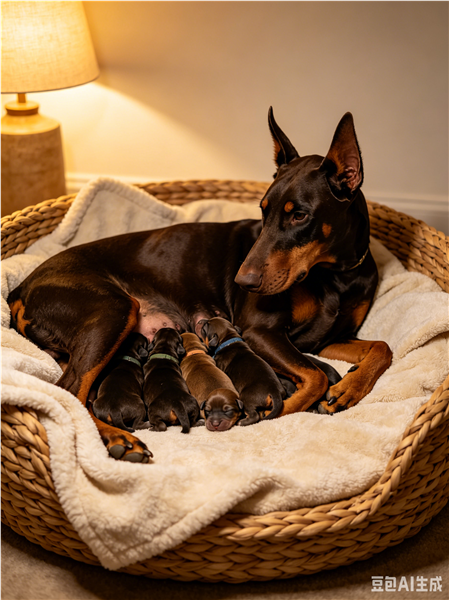
A nursing Doberman mother (dam) has immense nutritional and hydration demands to produce sufficient milk for her litter. It is entirely normal and expected for her water intake to double or even triple. Ensuring constant access to water is critical for her health and the puppies' development.
Behavioral and Psychological Factors
Sometimes, the cause is behavioral. Boredom or anxiety can manifest in repetitive behaviors like drinking water. If your Doberman seems to drink out of habit rather than thirst, especially if accompanied by other anxious behaviors, environmental enrichment, increased exercise, and mental stimulation can help.
Pathological (Medical) Reasons: When to Be Concerned
When increased water intake is persistent and not easily explained by the factors above, it can be a symptom of an underlying medical condition. Polydipsia is often coupled with polyuria (increased urination). The following are serious health issues where excessive thirst is a key clinical sign.
Diabetes Mellitus
This is a common endocrine disorder in dogs, where the body either doesn't produce enough insulin or becomes resistant to it. Without insulin, glucose cannot enter cells and builds up in the bloodstream. The kidneys excrete this excess sugar, pulling vast amounts of water with it, leading to dehydration and triggering intense thirst. Other signs include increased appetite paired with weight loss, lethargy, and cloudy eyes (cataracts).
Chronic Kidney Disease (CKD)
The kidneys' primary function is to filter waste from the blood and conserve water. As they become damaged and lose function (a condition not uncommon in older Dobermans), they lose their ability to concentrate urine. This results in the production of large volumes of dilute urine, causing the body to lose water rapidly and prompting the dog to drink more to compensate. Additional symptoms may include decreased appetite, vomiting, bad breath, and weight loss.
Cushing's Disease (Hyperadrenocorticism)
This condition results from an overproduction of cortisol, a steroid hormone, by the adrenal glands. Excess cortisol interferes with kidney function and water balance, leading to polydipsia and polyuria. Classic signs of Cushing's in Dobermans include a pot-bellied appearance, thinning skin, hair loss (especially on the body), and a ravenous appetite.
Pyometra
This is a life-threatening uterine infection that occurs in unspayed female dogs. A closed pyometra, where the cervix is closed, is particularly dangerous. Toxins from the infection affect kidney function, often causing a dramatic increase in thirst and urination. Other critical signs include lethargy, vomiting, loss of appetite, and vaginal discharge (in open pyometra). This is a surgical emergency.
Liver Disease
The liver plays a vital role in metabolism and detoxification. When it malfunctions, it can lead to a buildup of toxins and alter blood hormone levels, which can disrupt fluid balance and trigger increased drinking. Symptoms are often vague but can include jaundice (yellowing of gums/eyes), vomiting, diarrhea, and ascites (fluid buildup in the abdomen).
Hypercalcemia
Elevated calcium levels in the blood, which can be caused by certain cancers or glandular disorders, directly affect kidney function, impairing their ability to concentrate urine and leading to excessive thirst and urination.
Urinary Tract Infections (UTIs) and Bladder Issues
While less common as a sole cause of polydipsia, discomfort from a UTI or bladder stones might cause a dog to drink more in an attempt to soothe the urinary tract. However, the primary signs here are usually straining to urinate, frequent small urinations, and blood in the urine.
Diagnostic Approach: What Your Veterinarian Will Do
If you suspect your Doberman's drinking is abnormal, a prompt veterinary visit is essential. The diagnostic process typically involves:
- Detailed History: Your vet will ask about the onset, duration, and degree of the behavior, along with diet, activity, and any other symptoms.
- Physical Examination: A thorough check-up to assess hydration, body condition, and look for clues like an enlarged liver or abdominal pain.
- Diagnostic Tests:
- Complete Blood Count (CBC) & Serum Biochemistry: Checks for anemia, infection, and evaluates organ function (kidneys, liver, pancreas) and glucose levels.
- Urinalysis: Crucial for assessing urine concentration (specific gravity), checking for glucose, protein, signs of infection, or abnormal cells.
- Imaging: Abdominal ultrasound or X-rays may be recommended to visualize the kidneys, liver, adrenal glands, and uterus.
- Specialized Hormone Tests: Such as the ACTH stimulation test or low-dose dexamethasone suppression test to diagnose Cushing's disease.
Management and Prevention Strategies
Management depends entirely on the underlying cause. Pathological conditions like diabetes, CKD, or Cushing's require specific, often lifelong, medical management plans involving medication, dietary changes, and regular monitoring.
For physiological causes and general prevention:
- Provide Constant Access to Fresh Water: Clean and refill water bowls daily. Consider multiple bowls in a multi-story home.
- Manage Diet: Feed a high-quality, balanced diet appropriate for your Doberman's age and health status. Avoid high-sodium foods and treats.
- Environmental Control: Ensure your dog has access to shade and cool areas during hot weather. Avoid strenuous exercise during peak heat.
- Regular Veterinary Check-ups: Annual or bi-annual wellness exams are vital for early detection of diseases common in the breed, especially as your Doberman ages.
- Spay Female Dogs: This completely eliminates the risk of pyometra, a dire cause of polydipsia.
Conclusion: Vigilance is Key
A Doberman's increased water intake should never be ignored. While it may stem from a simple, harmless cause like a hot day, it is also one of the most common and noticeable early warning signs of several serious systemic diseases. By understanding the spectrum of potential causes—from dietary indiscretion to diabetes and kidney failure—you are empowered to be an observant and proactive caregiver. Track your dog's habits, know what's normal for them, and never hesitate to consult your veterinarian when a change arises. Early diagnosis and intervention can make a profound difference in managing health conditions, ensuring your noble and athletic Doberman enjoys a long, healthy, and well-hydrated life by your side.