Analysis of Doberman's Playing and Fighting Behavior: A Healthy Manifestation of Social Vitality
The Doberman Pinscher, with its sleek physique, intelligent eyes, and powerful presence, is often misunderstood. To the untrained eye, the boisterous play between two Dobermans can appear alarmingly similar to a fierce fight. However, for those who understand canine communication, this dynamic interaction is a vibrant display of social vitality and a critical component of the breed's well-being. Distinguishing between healthy play and genuine aggression is not just an academic exercise; it is essential for responsible ownership, ensuring the safety of dogs and humans alike while nurturing a mentally and physically healthy companion.
The Social Engine of the Doberman
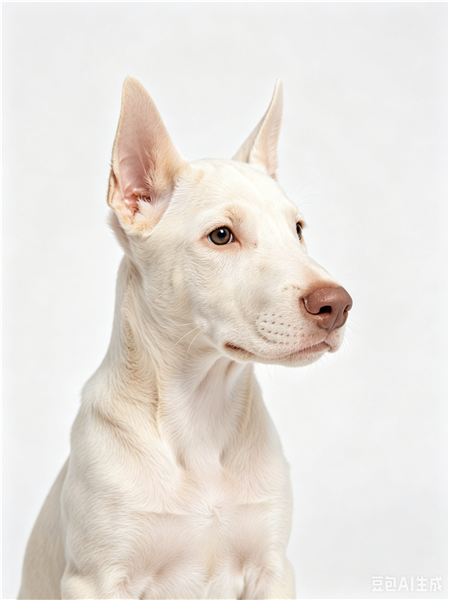
Dobermans are not solitary creatures. Bred originally for protection and companionship, they possess a deep-seated need for social structure and interaction. This "social vitality" is the driving force behind much of their behavior. It encompasses their loyalty to their family unit (human and canine), their desire to engage with their environment, and their communicative play. When channeled positively, this vitality results in a confident, stable, and well-adjusted dog. When suppressed or misunderstood, it can lead to frustration, anxiety, or behavioral issues. Play is the primary language through which this social vitality is expressed and regulated among dogs.
Decoding Play Behavior: The Signs of a Healthy Game
Canine play, especially in powerful breeds like the Doberman, is a complex dance governed by innate rules and clear signals. True play behavior is characterized by a set of specific meta-signals that communicate the intent: "This is all in fun."
The Play Bow: This is the universal canine invitation to play. The front legs are stretched forward, chest low to the ground, while the rear remains elevated. A Doberman executing a play bow is explicitly saying, "What follows is play." It often precedes a pounce or a chase.
Self-Handicapping: A critical sign of healthy play. A larger, stronger Doberman will voluntarily put itself at a disadvantage to keep the game fair and engaging for a smaller or less confident playmate. This may involve rolling onto its back, toning down the force of its bites, or allowing itself to be "caught" during chase.
Role Reversal: During play fighting, dogs will frequently switch roles. The one being chased becomes the chaser; the one on top rolls to the bottom. This fluid exchange indicates mutual agreement and enjoyment, not a one-sided domination.
Bite Inhibition: Playful mouthing is a staple of dog interaction. In healthy play, bites are inhibited—there is pressure but no breaking of skin. You will see open, "soft" mouths that gently close on a leg, neck, or scruff, often accompanied by cheeky side-to-side head shakes. The recipient typically does not yelp in pain but may play-growl.
Loose, Wiggly Body Language: Playful Dobermans have a relaxed, fluid posture. Their movements are bouncy and exaggerated. Their tails may wag in wide, sweeping circles (though note: tail wagging can also signify arousal, not necessarily happiness, so context is key). Their facial muscles are relaxed, and you might even see a "play face"—a open-mouthed, tongue-lolling expression that looks like a grin.
Pauses and Breaks: Play sessions are punctuated by natural pauses. Dogs will break apart, shake off, sniff the ground, or take a quick drink. These self-imposed time-outs prevent over-arousal and allow them to check in with each other and their surroundings, ensuring the play remains consensual.
Recognizing the Line: When Play Tips Toward Conflict
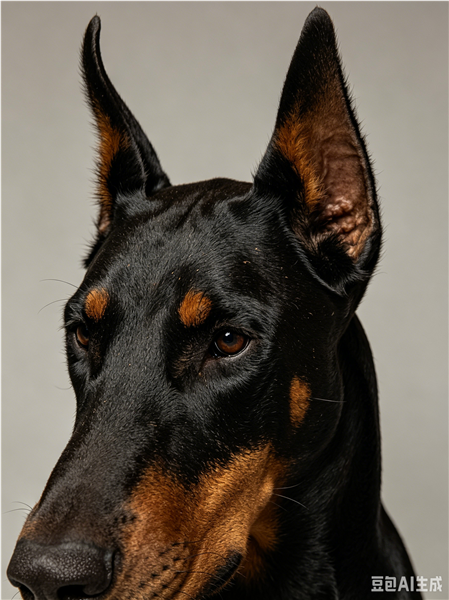
Despite the best intentions, play can escalate. Dobermans are high-energy, intense dogs, and their excitement can sometimes boil over. It is crucial to recognize the warning signs that play is ceasing to be playful.
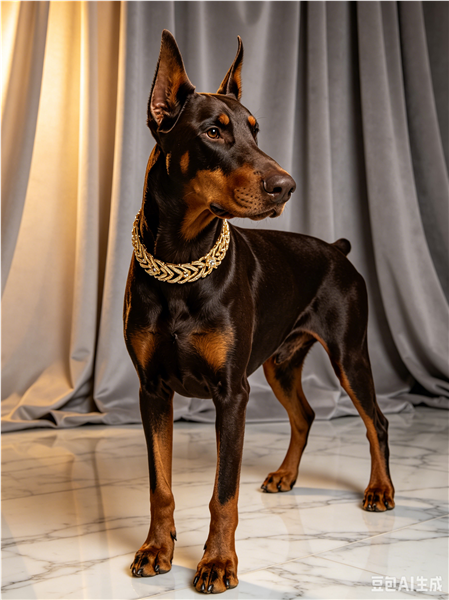
Stiff, Tense Body Posture: A frozen stance, rigid legs, and a stiffly raised tail are red flags. The body becomes still and focused, losing the wiggly, loose quality of play.

Escalating Vocalizations: Play growls are typically low-pitched and rhythmic. Aggressive growls are deeper, more sustained, and may be accompanied by snarls that show the front teeth. An absence of break in a continuous, threatening growl is a serious concern.
Targeted, Hard Biting: When bites become focused, intense, and lack inhibition, causing the other dog to yelp, squeal, or try to escape in earnest, the game is over. Bites directed at the face, neck, or legs with intent to pin and hold are aggressive, not playful.
Lack of Role Reversal or Self-Handicapping: If one dog is consistently the aggressor, pinning the other without release, and ignores the other dog's clear signals of distress or submission (like rolling over and exposing the belly in a non-playful context), this is bullying or aggression.
Piloerection (Raised Hackles): While hackles can raise from excitement during play, combined with other tense body signals, they often indicate fear, arousal, or aggression.
The Role of the Owner: Facilitator, Not Interferer
The owner's role is to manage the environment for safe play, not to micromanage the interaction. Provide a secure, spacious area free of hazards. Supervise all play sessions, especially with new dogs. Watch for the signs of healthy play and the warning signs of escalation.
Intervene Appropriately: If play becomes too rough, intervene by calmly calling your dog away, using a leash if necessary, or creating a distraction (like a sharp clap). The goal is a brief, calm time-out to let arousal levels drop, not a punishment that could create negative associations.
Know Your Dog: Understand your Doberman's individual temperament. Some are social butterflies, others are more selective. Do not force interactions. Respect their communication; if they walk away from play, do not force them back into it.
Provide Adequate Exercise and Mental Stimulation: A well-exercised Doberman is more likely to engage in calm, controlled play. Pent-up energy often explodes in chaotic, overly rough sessions. Combine physical exercise with training, puzzle toys, and nose work to engage their brilliant minds.
Conclusion: Celebrating the Doberman's Social Spirit
The sight of two Dobermans engaged in a spirited play-fight is not a cause for alarm but a celebration of their robust social nature. This behavior is the healthy manifestation of the social vitality that defines the breed—their intelligence, energy, and desire for connection. By learning to read the subtle language of play bows, self-handicapping, soft mouths, and role reversal, owners can appreciate this complex behavior for what it truly is: a vital social exercise that strengthens bonds, provides physical and mental enrichment, and contributes to a stable, happy, and well-socialized Doberman Pinscher. Responsible ownership involves fostering this vitality in safe, positive ways, ensuring that this magnificent breed's social engine runs smoothly throughout its life.