Doberman Pinschers are renowned for their athleticism, intelligence, and high-energy demeanor. Traditionally bred for protection and work, they possess a natural drive and stamina that requires regular outlets. Therefore, when a Doberman exhibits unsports-loving behavior, persistent laziness, or noticeable fatigue, it signals a departure from their inherent nature that warrants careful attention. This comprehensive analysis delves into the multifaceted reasons behind such behavior and provides a detailed action plan to revitalize your Doberman's energy and enthusiasm for life.
Understanding the Root Causes of Lethargy and Disinterest
Before implementing solutions, it is crucial to diagnose the potential underlying causes. A sudden or gradual loss of interest in activity is often a symptom, not the core problem.

1. Health and Medical Concerns: This is the foremost area to investigate. Schedule a thorough veterinary check-up to rule out or identify medical conditions. Common health issues that manifest as lethargy in Dobermans include:
- Hypothyroidism: A prevalent endocrine disorder in the breed, leading to weight gain, low energy, and intolerance to exercise.
- Cardiomyopathy (DCM): A serious heart condition Dobermans are genetically predisposed to, which can cause weakness, fainting, and exercise intolerance.
- Joint and Orthopedic Problems: Hip dysplasia, arthritis, or early-onset spinal issues (like Wobbler's syndrome) can make movement painful.
- Anemia or Nutritional Deficiencies: Lack of essential nutrients like iron, B vitamins, or high-quality protein can sap energy.
- Chronic Pain or Discomfort: Subtle pain from injuries, dental disease, or gastrointestinal problems can lead to inactivity.
- Infections or Parasites: Internal parasites (e.g., worms) or chronic infections drain vital resources.
2. Dietary Imbalances: You are what you eat, and this holds true for canine energy levels. A diet lacking in appropriate calories, digestible proteins, and essential fats will not fuel an active breed. Conversely, overfeeding or feeding a diet too high in fillers and carbohydrates can lead to obesity, which in turn exacerbates laziness and joint stress. The quality, quantity, and timing of meals are fundamental.
3. Psychological and Behavioral Factors: Dobermans are highly intelligent working dogs. Boredom and lack of mental stimulation are significant contributors to what appears as laziness. A dog with nothing to do may choose to sleep excessively. Similarly, anxiety, stress, or depression—triggered by changes in routine, lack of socialization, or insufficient bonding—can result in withdrawn and inactive behavior. Sometimes, a lack of early positive exposure to various activities can make a dog hesitant or "unsports-loving."
4. Inadequate or Inappropriate Exercise Routine: The exercise needs of a Doberman are not met by a simple walk around the block. They require structured, challenging physical and mental exertion. An inconsistent routine, repetitive boring walks, or exercise that doesn't match their age and fitness level (e.g., excessive forced running in a young puppy) can be demotivating or physically discouraging.

5. Environmental and Age-Related Factors: Extreme weather (heat or cold) can make any dog less inclined to be active. Additionally, while senior Dobermans will naturally slow down, a drastic decline in activity is not a normal part of aging and should be investigated.
The Revitalization Plan: Strategies to Combat Laziness and Fatigue
Once medical causes are addressed with your veterinarian, a holistic approach combining physical, mental, and nutritional strategies is key.
1. Optimize Nutrition for Energy: Consult with your vet or a canine nutritionist to evaluate your dog's diet. Transition to a high-quality, age-appropriate food with named animal proteins as the first ingredients. Consider the appropriate calorie intake for your dog's ideal weight and activity goal. Supplements like omega-3 fatty acids (for joint and brain health) or specific vitamins may be recommended based on blood work. Ensure fresh water is always available.
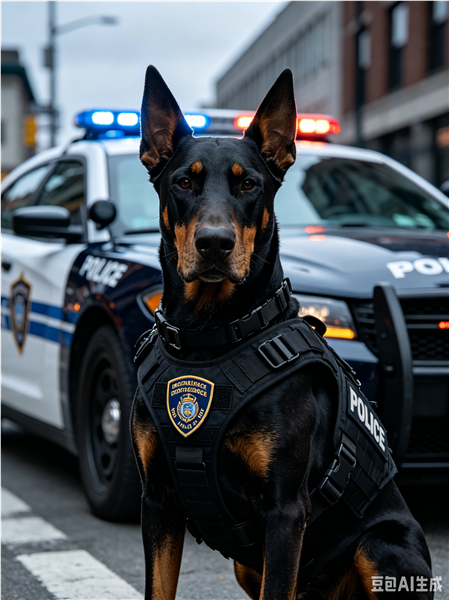
2. Redefine "Exercise": Quality Over Quantity: Move beyond the monotonous walk. Incorporate variety and challenge:
- Interval Training: Alternate between brisk trotting/jogging and walking periods during your outings.
- Strength and Agility Work: Use safe, natural obstacles for climbing, balancing, and gentle jumping. Canine fitness equipment like balance pads can build core strength.
- Swimming: An excellent low-impact, full-body exercise, ideal for building stamina without stressing joints.
- Structured Play: Engage in long sessions of fetch with a Chuckit! launcher, flirt pole exercises, or tug-of-war with rules to add mental control.
3. Mandatory Mental Stimulation: A tired mind is as important as a tired body. Dedicate 20-30 minutes daily to brain work:
- Training Sessions: Teach new commands, tricks, or refine obedience skills. Use positive reinforcement.
- Food Puzzles and Interactive Toys: Kongs stuffed with frozen food, snuffle mats, and puzzle feeders turn mealtime into a rewarding challenge.
- Nose Work/Scent Games: Hide treats or favorite toys around the house or yard and encourage your Doberman to "find it." This taps into their natural scenting abilities.
4. Build Routine and Positive Associations: Dogs thrive on predictability. Establish consistent times for meals, walks, training, and play. Make all activities positive. If your dog is hesitant, start very small—a 5-minute engaging play session—and pair it with high-value rewards and enthusiastic praise. Never force or punish disinterest, as this creates negative associations.
5. Social and Environmental Enrichment: Safe, controlled socialization with other balanced dogs can be invigorating. Visiting new environments—different parks, hiking trails, or even quiet pet-friendly stores—provides novel sensory input that can be mentally tiring and exciting.
6. Monitor, Adapt, and Be Patient: Keep a simple log of your dog's activity levels, energy, and mood. Note what activities they respond to best. Progress may be slow, especially if recovering from a health issue or long-term inactivity. Celebrate small victories. Adjust the intensity and duration of activities based on your individual dog's response, age, and fitness level.
Conclusion
An unsports-loving, lazy, or fatigued Doberman is often a dog whose needs are not being fully met in one or more crucial areas: health, nutrition, physical challenge, or mental engagement. By systematically addressing potential medical issues, refining their diet, and replacing mundane routines with a rich tapestry of physical and cognitive activities, you can unlock the vibrant, energetic spirit inherent in the breed. The goal is not to create a hyperactive dog, but to foster a state of balanced well-being where your Doberman is physically capable, mentally satisfied, and genuinely enjoys an active lifestyle alongside you. Remember, your consistent effort and understanding are the most powerful tools in transforming fatigue into vitality.