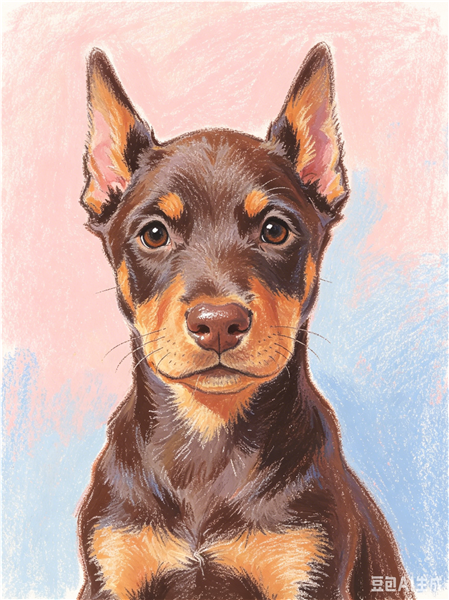
If you are a Doberman Pinscher owner, you have likely admired their sleek coat, powerful build, and loyal demeanor. However, you may also be familiar with a less desirable behavior: frequent, intense scratching. While an occasional scratch is normal for any dog, persistent scratching, licking, chewing, or rubbing against furniture is a clear distress signal from your Doberman. In the vast majority of cases, this behavior points directly to an underlying skin problem. Ignoring it can lead to worsening discomfort, secondary infections, and a significant decline in your dog's quality of life. This article delves deep into the world of canine dermatology to help you understand why your Doberman might be so itchy and what you can do about it.
The Doberman's short, dense coat and minimal undercoat offer little protection against environmental allergens and irritants. Their skin is more directly exposed, making them susceptible to a range of dermatological conditions. The act of scratching is a reflexive response to pruritus, the medical term for itchiness. This itch can originate from the skin's surface or deeper within, triggered by a multitude of factors. It's crucial to move beyond treating the symptom (the scratch) and instead diagnose and address the root cause.
Common Culprits Behind the Itch: A Detailed Look
1. Allergies: The Primary Suspect
Allergies are arguably the leading cause of chronic itching in Dobermans. They can be broadly categorized into three main types:
- Environmental Allergies (Atopic Dermatitis): This is an inherited predisposition to develop allergic reactions to commonplace substances like pollen from trees, grasses, and weeds, mold spores, dust mites, and dander. Symptoms are often seasonal but can become year-round. Your Doberman may lick their paws incessantly, rub their face on the carpet, or have recurrent ear infections alongside generalized itching.
- Flea Allergy Dermatitis (FAD): This is a severe allergic reaction to proteins in flea saliva. It takes just ONE flea bite to trigger a massive, prolonged itch response in a sensitive dog. The scratching is often most intense over the lower back, base of the tail, and hind legs. You may see "hot spots"—acute, moist, red, and infected lesions—from the self-trauma.
- Food Allergies or Sensitivities: Contrary to popular belief, true food allergies are less common than environmental ones. They can develop at any age and are typically a reaction to a specific protein source (e.g., beef, chicken, dairy, eggs) or sometimes a carbohydrate. Symptoms include not only skin itching (often around the face, ears, paws, and rear) but also gastrointestinal signs like chronic diarrhea or vomiting.
2. Parasitic Infestations
Beyond fleas, other parasites can wreak havoc on your Doberman's skin.
- Sarcoptic Mange (Scabies): Highly contagious and intensely itchy, these microscopic mites burrow into the skin, causing severe inflammation, crusting, and hair loss, typically starting on the ear margins, elbows, and abdomen.
- Demodectic Mange: Caused by mites that normally live in hair follicles. An overpopulation due to a immature or compromised immune system leads to localized or generalized hair loss, redness, and sometimes secondary bacterial infections. Itching can vary from mild to severe.
- Cheyletiella Mites ("Walking Dandrum"): These cause excessive scaling and dandruff, along with moderate itching.
3. Bacterial & Yeast Infections
Often secondary to another problem. Damaged skin from allergies or parasites creates a perfect environment for bacteria (like Staphylococcus pseudintermedius) or yeast (like Malassezia pachydermatis) to overgrow. These infections cause a foul odor, pustules, greasy or crusty skin, and exacerbate the existing itch, creating a vicious cycle. Yeast infections are particularly common in skin folds, ears, and between the toes.
4. Hormonal & Metabolic Disorders
Systemic internal diseases can manifest through the skin. Hypothyroidism (low thyroid hormone) is a known issue in some Dobermans and can lead to dry, brittle hair, hair loss, skin darkening, and susceptibility to infections, often with mild to moderate itching. Cushing's disease (excess cortisol) can also cause thin skin, hair loss, and poor wound healing.
5. Contact Dermatitis & Other Irritants
Direct contact with an irritant like harsh chemicals (lawn fertilizers, cleaning products), certain shampoos, or even the material of a new bed can cause a localized itchy, red rash on the contact areas.
The Diagnostic Journey: Partnering with Your Veterinarian
Self-diagnosis can be misleading. A veterinary visit is essential. Your vet will start with a thorough history and physical exam, paying close attention to the pattern and distribution of the lesions. Diagnostic steps may include:

- Skin Scrapings & Cytology: To check for mites, bacteria, and yeast under a microscope.
- Flea Combing & Fecal Exam: To rule out fleas and other parasites.
- Dietary Elimination Trial: The gold standard for diagnosing food allergies. This involves feeding a novel protein or hydrolyzed diet exclusively for 8-12 weeks, with no other treats or table scraps.
- Intradermal or Serum Allergy Testing: To identify specific environmental allergens, often used to formulate allergen-specific immunotherapy (allergy shots or oral drops).
- Blood Tests: To screen for underlying hormonal conditions like hypothyroidism or Cushing's disease.
- Skin Biopsy: In chronic or unusual cases, a small skin sample may be sent to a pathologist for definitive diagnosis.
Treatment and Management Strategies
Treatment is entirely dependent on the underlying cause and is often multi-modal.
For Allergies:
- Allergen-Specific Immunotherapy: A long-term solution that desensitizes the immune system to specific allergens.
- Medications: Apoquel (oclacitinib) or Cytopoint (lokivetmab) are modern, targeted drugs that specifically block itch pathways with fewer side effects than traditional steroids. Antihistamines may help in mild cases. Essential fatty acid supplements (Omega-3/6) can improve skin barrier function.
- Strict Flea Control: Year-round, veterinarian-recommended flea prevention is non-negotiable for all dogs, especially those with allergies.
- Bathing & Topical Therapy: Regular bathing with a soothing, hypoallergenic, or medicated shampoo (e.g., containing chlorhexidine, miconazole, or oatmeal) can wash away allergens and soothe skin. Leave-on mousses or sprays can provide ongoing relief.
For Infections: Appropriate oral or topical antibiotics (for bacteria) or antifungals (for yeast) are prescribed, usually for several weeks.

For Parasites: Prescription-strength miticides, often in the form of topical spot-ons or oral medications, are required.
For Hormonal Issues: Lifelong hormone replacement (for hypothyroidism) or other specific medications are needed to manage the primary disease.
Home Care and Prevention Tips
- Diet: Feed a high-quality, balanced diet. For dogs with sensitivities, a limited-ingredient or novel protein diet may be beneficial.
- Grooming: Regular brushing distributes natural oils and removes dead hair and dander. Wipe your Doberman's paws and coat with a damp cloth after outdoor excursions to remove pollen and other allergens.
- Environment: Wash your dog's bedding frequently in hot water. Use a HEPA air filter to reduce airborne allergens in your home. Vacuum regularly.
- Stress Reduction: Anxiety and boredom can sometimes manifest as compulsive licking or chewing. Ensure your Doberman gets plenty of physical exercise and mental stimulation.
- Supplements: Consult your vet about adding probiotics, omega-3 fatty acids (fish oil), or vitamin E to support skin health from the inside out.
In conclusion, your Doberman's frequent scratching is more than a nuisance; it's a cry for help. The high probability is indeed a skin problem, ranging from common allergies to more complex conditions. By understanding the potential causes, seeking prompt veterinary diagnosis, and committing to a comprehensive management plan, you can break the itch-scratch cycle and help your loyal companion live a more comfortable, happy, and itch-free life. Patience and consistency are key, as managing chronic skin conditions is often a lifelong journey, but the reward of seeing your dog comfortable and at ease is immeasurable. Remember, a healthy skin and coat are outward reflections of your Doberman's overall internal well-being.