Among the many ornamental fish, the Arowana, with its majestic and imposing physique, shimmering scales, and kingly demeanor, has earned the reputation of being a "living jewel in the water," becoming the focal point in many aquariums. However, many keepers have observed a phenomenon: beloved Arowanas sometimes swim up and down in the tank frequently and rhythmically, cruising repeatedly along the tank walls or in the middle water layer. This seemingly "abnormal" behavior often puzzles and worries their owners. What lies behind the Arowana's frequent up-and-down swimming? Is it a precursor to illness or a normal behavioral expression? This article will comprehensively analyze the various possibilities behind this phenomenon to help you better understand and care for your cherished fish.
一、 Environmental Adaptation and Exploratory Behavior
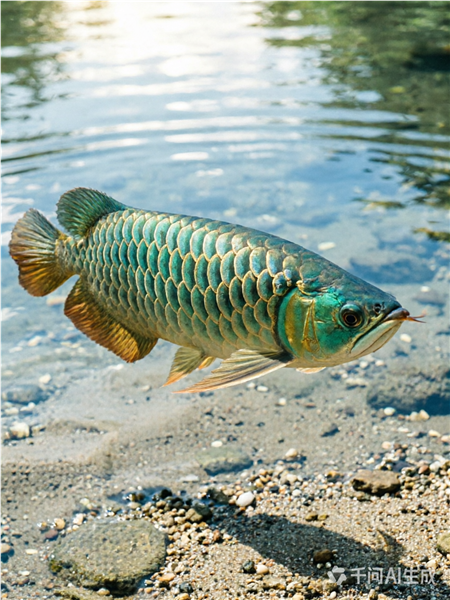
First, we need to clarify one point: not all up-and-down swimming is a bad sign. For Arowanas newly introduced to a tank, or after significant changes have been made to the tank environment (such as changing the background, adding or removing decorations, altering lighting positions), this up-and-down swimming may be a normal adaptation and exploratory behavior.
1. New Environment Adaptation Period: Arowanas are fish with strong territorial instincts and are relatively sensitive. When placed in a completely new environment, they instinctively begin to patrol their new territory. Swimming up and down, moving along the tank walls, is their way of familiarizing themselves with the water boundaries, detecting water flow, and assessing the safety of the environment. This process may last from a few days to a week, during which the fish may appear nervous and have a poor appetite, but they usually gradually calm down if the water quality is good.
2. Daily Patrol and Territory Assertion: Even in a stable environment, healthy Arowanas maintain certain cruising habits, especially before and after feeding or when their owner approaches. Up-and-down swimming may be a sign of their anticipation for food or interaction with their owner. This is a positive behavioral signal, indicating the fish is active and alert.
二、 Water Quality Issues – The Primary Factor to Investigate
Water quality is the lifeline of ornamental fish health. Arowanas are very sensitive to changes in water quality, and any discomfort may manifest as abnormal behavior. Frequent up-and-down swimming, especially if it appears hurried and restless, is often an alarm for deteriorating water quality.
1. Excessive Ammonia and Nitrite: This is the most common and dangerous water quality issue. Inadequate filtration systems, overfeeding, and irregular water changes can all lead to the accumulation of harmful substances. Ammonia and nitrite directly irritate and damage the fish's gills and body surface mucosa, causing breathing difficulties, mucosal shedding, and a strong burning sensation and discomfort. At this point, Arowanas may exhibit restlessness, frequent up-and-down swimming, rubbing against tank surfaces, and rapid breathing (quick operculum movement). Water quality must be tested immediately and addressed urgently through large-volume water changes (mind the temperature and water quality difference), enhancing filtration, and adding nitrifying bacteria.
2. Drastic pH Fluctuations or Unsuitable pH: Arowanas generally prefer slightly acidic to neutral water (pH 6.5-7.5). If the pH changes too rapidly (e.g., new water added has a significantly different pH) or remains in an unsuitable range for a long time, the fish will experience severe stress. Up-and-down swimming may be their attempt to find a more comfortable water layer.
3. Unsuitable or Fluctuating Water Temperature: The suitable water temperature for Arowana is generally between 28-30 degrees Celsius. Water that is too low slows their metabolism, reducing activity, while water that is too high can lower the dissolved oxygen content. More importantly, drastic fluctuations in water temperature within a short period (e.g., a temperature difference exceeding 2-3 degrees during water changes) can cause significant stress to Arowanas, leading to restless swimming, and even conditions like pineconing or ich. Ensuring the heater works properly and adding new water slowly during changes are basic practices.
4. Residual Chlorine or Chemical Pollutants in Water: Using untreated tap water directly for water changes exposes the fish to chlorine, which harms their gills. Similarly, if pesticides, perfumes, etc., are used near the aquarium and harmful substances enter the water, it can cause poisoning in Arowanas, manifested as intense up-and-down swimming, rolling, or even sudden death.
三、 Oxygen Deficiency (Hypoxia)
Although Arowanas are not high-oxygen-consumption fish, in certain situations, insufficient dissolved oxygen in the water can also cause abnormal behavior.
1. Low Dissolved Oxygen in Water: High water temperature, low atmospheric pressure (e.g., during hot and humid weather), high stocking density, poor or stopped filtration system circulation can all lead to decreased oxygen levels in the water. A hypoxic Arowana will stay near the water surface, frequently opening and closing its mouth to gulp air (not normal breathing), sometimes accompanied by rapid up-and-down swimming in an attempt to obtain more oxygen from different water layers. Upon close observation, its operculum movement will be abnormally fast.
2. Gill Diseases Causing Respiratory Distress: If the gills are damaged by parasites (e.g., Dactylogyrus, Gyrodactylus), bacterial infections, or water quality irritation, even with sufficient oxygen in the water, the fish cannot effectively perform gas exchange, leading to symptoms similar to hypoxia, including lingering near the surface, up-and-down swimming, and reduced appetite. In this case, a careful check is needed to see if the gills are congested, swollen, damaged, or have excessive mucus.
四、 Distress from Diseases and Parasites
Certain diseases and parasitic infections directly cause discomfort on the fish's body surface or internally, leading to irritability and abnormal swimming.
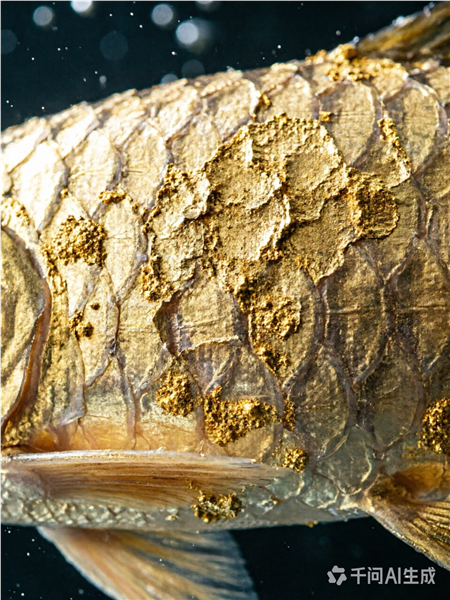
1. External Parasites: Parasites such as anchor worms, fish lice, Ichthyophthirius multifiliis (ich) attached to the body surface or gills cause persistent itching and stinging sensations. To relieve this discomfort, Arowanas may exhibit frequent rubbing against surfaces, rapid darting, body shaking, and irregular up-and-down swimming.
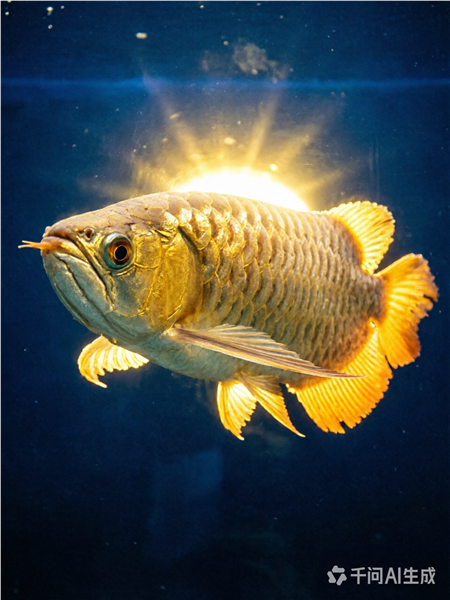
2. Internal Diseases: Conditions like enteritis, dropsy, or internal organ lesions can cause abdominal distension, pain, or systemic discomfort. Sick fish may struggle to maintain balance, swim erratically, float and sink intermittently, and may also show signs like isolation, lethargy, color fading, and refusal to eat.
3. Neurological Issues: In rare cases, poisoning (e.g., heavy metal poisoning), severe malnutrition, or congenital defects may lead to neurological abnormalities, manifesting as uncontrollable, repetitive swimming patterns.
五、 Psychological Factors and Environmental Stress
Arowanas are intelligent and sensitive animals, and psychological stress can also affect their behavior.
1. Fright: This is a common cause of sudden, intense up-and-down swimming. Sudden loud noises, flashing bright lights, fast-moving shadows or objects near the tank, or even the introduction of new, aggressive tankmates can startle an Arowana. A frightened fish may dart around the tank like an arrow, crashing up and down, which can easily lead to jumping out of the tank or injury. It is essential to provide a quiet, stable location for the aquarium and avoid sudden disturbances.
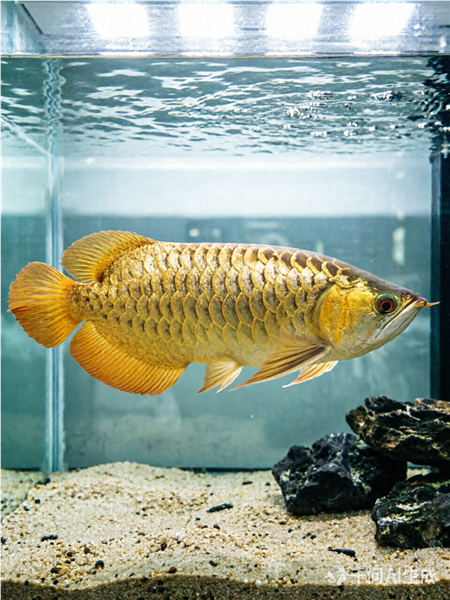
2. Environmental Oppression: A tank that is too small, water level too high (Arowanas need some surface space to breathe air), or decorations and aquascaping that are too complex and crowded can make an Arowana feel confined and tense, leading to constant cruising in an attempt to "escape" or adapt.
3. Tankmate Conflict: Being kept with incompatible fish, constantly being chased, attacked, or in a tense standoff, can keep an Arowana in a state of continuous stress, making its behavior neurotic, including hiding and frantic swimming.
六、 Special Physiological Stage: Breeding Season Behavior
During the mature breeding season, Arowana behavior changes significantly. Although successful breeding in a home aquarium is extremely difficult, sexually mature Arowanas may still exhibit some instinctive behaviors.
Male fish during the breeding season may become more active and aggressive, intensifying their territorial patrols. Up-and-down swimming could be a way of displaying themselves or searching for potential mates. Simultaneously, chasing and testing during the pairing process can also alter swimming patterns. This is usually accompanied by changes in appetite and more vibrant coloration.
七、 How to Respond and Resolve?
When you observe your Arowana frequently swimming up and down, please follow these steps for investigation and resolution:
Step 1: Observe calmly and assess comprehensively. Don't rush to medicate. First, observe the specific pattern of the up-and-down swimming: Is it a leisurely cruise or a hurried, restless darting? Are there other symptoms like rubbing against surfaces, rapid breathing, color fading, isolation, or surface skimming? Also, check if the fish's body surface, eyes, operculum, and feces appear normal.
Step 2: Test and optimize water quality immediately. This is the most crucial step. Use reliable water test kits to immediately check key parameters: ammonia, nitrite, nitrate, pH, water temperature, etc. Regardless of the results, perform a partial water change (1/4 to 1/3, using aged water at the same temperature) to dilute any potential harmful substances and provide fresh oxygen. Ensure the filtration system is running properly 24/7.
Step 3: Check equipment and environment. Check if the heater maintains a constant temperature, and if the air pump or wave pump is working correctly to ensure oxygenation and water circulation. Check if the environment around the tank is quiet and if the lighting is stable. Remove potential stressors.
Step 4: Targeted treatment.
- If hypoxia is suspected, increase aeration, lower the water temperature, and reduce stocking density.
- If external parasites or white spots are found, isolate and administer appropriate specific medication.
- If the fish is frightened, keep the lights off for quiet rest, avoid disturbance, and consider adding Arowana-specific calming agents (e.g., blackwater extract).
- If accompanied by other serious symptoms (like pineconing, fin rot, dropsy, etc.), accurately diagnose the cause before treating accordingly.
Step 5: Improve daily management. Establish a regular water change schedule (e.g., 1-2 times per week), feed measured amounts at fixed times, provide nutritionally balanced food, and avoid overfeeding. Provide an adequately spacious tank for the Arowana (recommended length at least 3 times the fish's body length) and maintain a simple, elegant aquascape to reduce environmental pressure.
Conclusion
An Arowana's frequent up-and-down swimming is a form of "body language" that requires careful interpretation by the keeper. It might be a casual stroll out of boredom, a cry of environmental discomfort, or even a moan of pain from illness. As keepers, we should act like detectives, making comprehensive judgments based on water quality data, environmental factors, and the specific manifestations of the fish. In the vast majority of cases, ensuring excellent and stable water quality, providing a spacious and comfortable environment, and offering attentive daily care can effectively prevent and resolve this issue. Understanding the behavior of your cherished fish is an indispensable part of the art of keeping Arowanas and a bridge to building a deeper bond with these beautiful creatures. When your Arowana swims leisurely in clear water, displaying its kingly demeanor, all the careful observation and effort will be richly rewarded.