Analysis of Doberman's Behavior of Hiding in Corners: Signs of Loneliness, Anxiety or Physical Discomfort
Doberman Pinschers are renowned for their loyalty, intelligence, and protective nature. Often perceived as fearless guardians, it can be particularly alarming for owners when their confident companion starts exhibiting behaviors like hiding in corners or seeking isolated, confined spaces. This sudden shift from a vigilant, engaged family member to a withdrawn, corner-huddling dog is a significant behavioral red flag. It is a non-verbal cry for help, indicating that something is amiss in your Doberman's world. This comprehensive analysis delves into the multifaceted reasons behind this behavior, focusing on the three primary culprits: psychological distress (loneliness and anxiety) and physical discomfort. Understanding the root cause is the first and most crucial step in providing your beloved pet with the appropriate support and care.
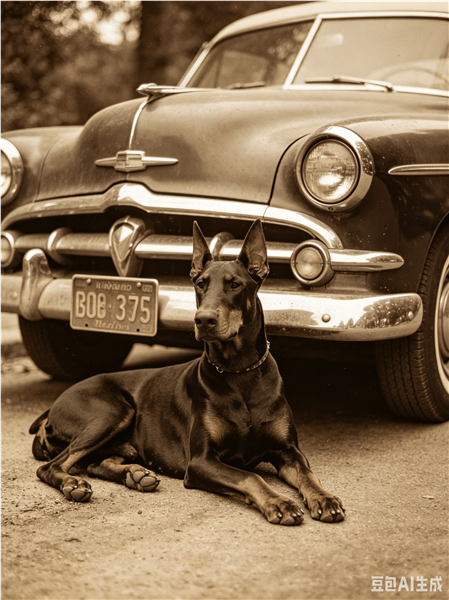
Decoding the Behavior: Why Do Dobermans Hide?
At its core, hiding is an instinctive coping mechanism. In the wild, canines seek shelter to recover from illness, evade perceived threats, or find solace. Your domestic Doberman retains these deeply ingrained instincts. When a dog feels vulnerable—whether from emotional turmoil or physical pain—their primal response is often to find a small, dark, quiet place where they feel less exposed and can conserve energy. For a breed like the Doberman, which is typically bold and alert, this behavior is especially telling. It signifies a level of stress or discomfort that overrides their usual demeanor. The specific "why" requires careful observation of accompanying signs and context.
Signs and Symptoms of Loneliness in Dobermans
Dobermans are exceptionally people-oriented dogs. They form intense bonds with their families and thrive on companionship and having a "job" to do. Prolonged isolation or lack of mental and social stimulation can lead to profound loneliness, which may manifest as hiding.
Key Signs of Loneliness:
- Excessive Hiding When Alone: The behavior is most pronounced when left alone for long periods. You may find them in a closet, behind furniture, or in a bathroom corner as soon as you prepare to leave.
- Destructive Behaviors Paired with Hiding: While hiding itself is passive, loneliness often co-occurs with destructive chewing (especially on items with your scent), digging at doors, or excessive barking/howling—all signs of separation anxiety, a severe form of loneliness distress.
- Lethargy and Loss of Interest: A lonely Doberman may show decreased interest in play, walks, or toys they usually enjoy, appearing listless and withdrawn even in your presence at times.
- Shadowing Behavior When You Are Home: They may follow you from room to room excessively, displaying clinginess, and then retreat to a corner if you are occupied and cannot interact, as if giving up.
- Changes in Eating Habits: Some dogs may eat less when feeling lonely and abandoned.
Loneliness-induced hiding is a sign of emotional pain. The dog is seeking security in a confined space because the larger environment (the empty house) feels unsafe and stressful without its pack.
Identifying Anxiety and Stress in Your Doberman
Anxiety is a broader category that encompasses loneliness. Dobermans, despite their tough exterior, can be sensitive and prone to anxiety disorders. Triggers can include loud noises (thunderstorms, fireworks), changes in routine, new environments, or even specific household tensions.
Key Signs of Anxiety:
- Hiding as a Direct Response to Triggers: The hiding is event-specific. During a thunderstorm, after a loud argument, or when visitors arrive, your Doberman may immediately seek refuge in a corner, under a desk, or in a crate.
- Physical Symptoms of Stress: Look for panting (when not hot or exercised), trembling, drooling, pinned-back ears, a low or tucked tail, and whale eye (showing the whites of the eyes). They may hide while displaying these symptoms.
- Pacing and Restlessness: Before settling into a hiding spot, an anxious dog may pace nervously.
- Submissive or Avoidant Urination: Especially in younger or more severely anxious dogs, they may urinate when approached in their hiding spot, a sign of extreme fear.
- Compulsive Behaviors: Chronic anxiety can lead to repetitive behaviors like obsessive licking (often their own paws or flanks, leading to hot spots), which may be done while hiding.
In anxiety-based hiding, the corner acts as a bunker—a last line of defense against a world that has become overwhelmingly frightening.
Physical Discomfort and Pain: The Medical Imperative
This is the most critical category to rule out first. Dogs are masters at masking pain, a survival trait. Hiding is a common way for them to deal with illness or injury. A Doberman hiding due to pain is not being "stubborn" or "sad"; they are likely suffering.
Key Signs of Physical Discomfort:
- Sudden Onset of Hiding: The behavior appears out of character and develops quickly.
- Guarding Posture in the Corner: They may lie in a tense, hunched position (splinting the abdomen), or be reluctant to change position. They might growl or snap if touched or approached, which is uncharacteristic for them—this is pain aggression, not dominance.
- Vocalization: Whimpering, groaning, or yelping, especially when moving or settling down.
- Changes in Mobility and Gait: Limping, stiffness when rising, reluctance to jump, climb stairs, or go for walks. They may hide to avoid movement.
- Other Medical Symptoms: Look for loss of appetite, vomiting, diarrhea, excessive thirst, labored breathing, or a distended abdomen. Any of these paired with hiding is a veterinary emergency.
- Focus on a Specific Body Part: They may constantly lick, chew, or stare at a particular joint or area.
Common medical issues in Dobermans that can cause pain and hiding include Dilated Cardiomyopathy (DCM) (causing weakness and discomfort), Wobbler's Syndrome (neck/spine pain), hip dysplasia, arthritis, panosteitis ("growing pains" in young dogs), gastric dilatation-volvulus (bloat) (EXTREME EMERGENCY), or internal illnesses.

Differential Diagnosis: How to Tell the Difference
Discerning the cause requires being a detective. Ask these questions:

- Timing: When does the hiding occur? (When alone = loneliness/anxiety. During storms = noise anxiety. Constant/random = likely pain).
- Context: What changed in the environment? (New pet, baby, moved house, schedule change).
- Body Language: What is their posture in the corner? (Tense and stiff = pain. Trembling with ears back = fear. Relaxed but distant = may be depressive loneliness).
- Response to You: Do they come when called? A pained dog may not. An anxious dog might come slowly and submissively. A lonely dog will likely come eagerly.
- Presence of Other Symptoms: Review the lists above for accompanying signs.
Action Plan and Solutions
Step 1: Immediate Veterinary Consultation. This is non-negotiable. A full medical workup, including physical exam, bloodwork, and possibly imaging (x-rays, ultrasound), is essential to rule out pain or illness. Never assume a behavior is purely psychological without a medical clearance.
If the Diagnosis is Loneliness/Separation Anxiety:
- Gradual Desensitization: Practice short departures and returns, building duration slowly. Avoid emotional hellos and goodbyes.
- Environmental Enrichment: Provide puzzle toys, stuffed Kongs, and safe chew items to keep them occupied when alone.
- Exercise and Mental Stimulation: A tired Doberman is a happier Doberman. Ensure vigorous daily exercise and training sessions.
- Consider Doggy Daycare or a Walker: Break up long days alone.
- Professional Help: A certified dog behaviorist or trainer experienced in anxiety is crucial for severe cases. Medications (like SSRIs) prescribed by a vet may be part of a comprehensive treatment plan.
If the Diagnosis is Anxiety/Fear:
- Identify and Manage Triggers: Create safe spaces (like a sound-proofed crate with blankets during storms). Use white noise machines or calming music.
- Counter-Conditioning: Pair the scary thing (e.g., distant thunder) with high-value treats to change the emotional response.
- Pressure Wraps: Products like the Thundershirt can provide calming, swaddling pressure.
- Calming Supplements/Aids: Discuss options like Adaptil (pheromone diffusers), L-theanine, or CBD with your veterinarian.
- Positive Reinforcement: Never force or punish a dog out of a hiding spot. Lure them out with treats and praise, making the outside world more rewarding.
If the Diagnosis is Physical Pain:

- Follow Your Vet's Treatment Plan: This may include pain medication (NSAIDs, etc.), surgery, physical therapy, weight management, or supplements (glucosamine, fish oil).
- Provide Orthopedic Support: A high-quality, supportive bed placed in a quiet, accessible area.
- Assist with Mobility: Ramps, non-slip flooring, and harnesses can help.
- Adjust Exercise: Switch to shorter, more frequent, low-impact walks as advised by your vet.
Conclusion
A Doberman hiding in corners is communicating a profound need. It is a symptom, not a diagnosis. By methodically observing the accompanying signs—whether they point toward the heartache of loneliness, the paralyzing grip of anxiety, or the silent burden of physical pain—you become your dog's advocate. Always begin with a thorough veterinary examination to eliminate medical causes. From there, a combination of environmental management, behavioral modification, professional guidance, and, above all, patient, compassionate support can guide your Doberman back from the corner and into the confident, joyful life they deserve. Recognizing and addressing this behavior is one of the deepest expressions of the bond you share with your loyal companion.