Analysis of Doberman Dog's Behavior in the Sun, and How Health Habits Help Health
Doberman Pinschers, with their sleek coats, athletic build, and noble demeanor, are a breed that often captivates owners. Observing your Doberman in the sun reveals a complex interplay of instinct, comfort-seeking, and potential risk. Understanding these sun-related behaviors is the first step in crafting a health regimen that leverages their natural inclinations while safeguarding their well-being. This comprehensive analysis delves into why Dobermans act the way they do in sunlight and outlines essential health habits that directly contribute to a longer, happier, and healthier life.
Decoding Doberman Sun Behavior: Basking, Panting, and Seeking Shade
It's a common sight: a Doberman stretched out in a patch of sunlight, seemingly soaking up every ray. This basking behavior is rooted in several factors. Firstly, dogs, like many animals, enjoy the warmth for comfort and relaxation. The sun's heat can soothe muscles and joints, which is particularly appealing for this active, muscular breed. The warmth can provide a sense of security and contentment, similar to how we enjoy a cozy blanket.
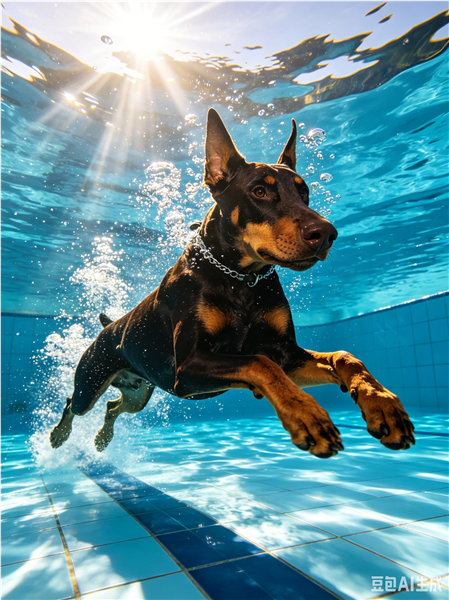
However, the Doberman's short, single-layered coat offers minimal insulation. While this makes them susceptible to cold, it also means they absorb heat quickly. This is where keen observation is crucial. A Doberman that starts panting excessively while in the sun, even if lying still, is signaling the onset of overheating. Panting is their primary cooling mechanism, as they have limited sweat glands (primarily in their paw pads).
An intelligent Doberman will often self-regulate. You'll notice them moving from a sunny spot to a shaded area or onto a cooler surface like tile or wood flooring. This migration is a healthy instinct. Ignoring this instinct or being unable to access shade can rapidly lead to heat stress. Pay close attention to signs of distress: excessive drooling, bright red gums or tongue, rapid heartbeat, lethargy, dizziness, or vomiting. These are emergency signs of heatstroke, a life-threatening condition for which Dobermans, like other brachycephalic-prone breeds (though not brachycephalic themselves, their deep chest can complicate breathing), are at significant risk.
Health Habit 1: Mastering Safe Sun Exposure and Heat Management
Proactive management of sun exposure is a non-negotiable health habit. Never leave your Doberman outdoors without access to ample, cool shade and fresh water during sunny, warm days. Schedule vigorous exercise, runs, or training sessions during the cooler parts of the day—early morning or late evening. Asphalt and concrete can become scorching hot and burn paw pads; test surfaces with the back of your hand. If it's too hot for you, it's too hot for them.
Consider protective gear. Dog-safe sunscreen is essential for Dobermans, especially on their noses, ear tips, and any other areas with sparse hair or pink skin to prevent sunburn and reduce the risk of skin cancer. A cooling vest can be a fantastic tool for walks or outdoor activities in warmer weather. Providing a shallow kiddie pool with fresh water offers a fun and effective way for them to cool down at their discretion.
Health Habit 2: The Cornerstone of Health: Nutrition and Hydration
A Doberman's radiant health starts from within. A high-quality, balanced diet formulated for large, active breeds is paramount. Look for foods with real meat as the first ingredient, adequate protein for muscle maintenance, and controlled levels of fat. Given the breed's predisposition to Dilated Cardiomyopathy (DCM), consulting with your veterinarian about diets rich in appropriate nutrients like taurine and L-carnitine is wise. Portion control is critical to prevent obesity, which places undue stress on their heart, joints, and overall system.
Hydration is inextricably linked to temperature regulation. Always provide multiple sources of clean, fresh water. During sun exposure or exercise, increase water intake. You can encourage hydration by adding water to kibble, offering ice cubes as treats, or using pet water fountains that appeal to their preference for moving water.
Health Habit 3: Structured Physical and Mental Exercise
The Doberman is an intellectual powerhouse coupled with immense physical stamina. A simple walk is rarely sufficient. Daily, structured exercise is a health habit that prevents behavioral issues (like destructiveness or anxiety) and maintains physical condition. This includes long walks, jogging, hiking, and structured play like fetch or flirt pole exercises. However, balance is key—avoid excessive high-impact exercise like prolonged jumping during puppyhood and adolescence to protect developing joints.
Equally important is mental stimulation. A bored Doberman is an unhappy and potentially unhealthy one. Incorporate training sessions that challenge their mind—obedience, agility, scent work, or puzzle toys that dispense treats. This mental workout tires them as effectively as physical exercise and strengthens your bond.
Health Habit 4: Proactive Veterinary Care and Preventative Measures
Routine veterinary check-ups are the habit that ties all others together. Biannual exams allow for early detection of issues common to the breed, such as heart conditions, hip dysplasia, von Willebrand's disease, and thyroid problems. Maintain a strict schedule for vaccinations, parasite prevention (fleas, ticks, heartworm), and dental care. Dental disease can lead to systemic infections affecting the heart, liver, and kidneys. Regular brushing and veterinary dental cleanings are essential.
Skin care is part of this regimen. Their short coat is easy to groom but inspect regularly for signs of sunburn, dryness, parasites, or allergic hotspots. A monthly bath with a gentle, dog-specific shampoo and regular brushing with a soft bristle or rubber curry brush will distribute natural oils and keep their coat gleaming.
Health Habit 5: Joint and Muscle Support
Supporting the Doberman's athletic frame is crucial. Maintain a healthy weight to minimize stress on hips and elbows. Provide orthopedic bedding, especially for older dogs, to cushion joints. Supplements like glucosamine, chondroitin, and omega-3 fatty acids (fish oil) can be beneficial for joint health and reducing inflammation, but always consult your vet before starting any supplement regimen. Appropriate exercise that builds muscle without causing strain will naturally support the skeletal system.
Health Habit 6: Understanding Breed-Specific Sensitivities
A key health habit is breed-specific awareness. Dobermans are sensitive souls, both emotionally and physically. They thrive on positive reinforcement training and a stable, loving environment. Stress and anxiety can manifest in physical ways. They are also known to be sensitive to certain chemicals and anesthetics. Always inform your veterinarian of the breed, and discuss any concerns about medication or procedure protocols. Their thin coat and low body fat also make them more susceptible to temperature extremes, reinforcing the need for careful climate management.
Conclusion: Synergy of Observation and Action
The image of a Doberman lounging in the sun is more than just a charming scene; it's a window into their physiological state and instincts. By analytically observing their behavior—knowing when their sunbathing is benign relaxation and when it's tipping into overheating—you become an active participant in their health. Coupling this observant mindset with disciplined health habits creates a powerful synergy. From managed sun exposure and optimal nutrition to rigorous mental and physical care, these habits are not isolated tasks but interconnected strands in the web of your Doberman's well-being. By embracing this holistic approach, you directly channel your care into tangible health benefits, ensuring your loyal companion enjoys the sunshine safely and lives a life full of vitality for years to come.