German Shepherd

German Shepherd
The official English name of the German Shepherd Dog is German Shepherd Dog, commonly known as Alsatian and Black Back overseas. It is the most well-known large-scale multi-purpose working dog with the highest popularity in Google searches all year round. It originated in Germany and relies on its strong obedience, physical fitness, and learning ability. It has been selected as a police dog, search and rescue dog, and explosion-proof dog by European and American police stations, security agencies, and search and rescue agencies all year round. It is also the preferred guard companion dog for high-end families in Europe and America. At present, overseas breeding is divided into two categories: the West German Exhibition Department and the East German Work Department. The West German German Shepherd has a beautiful appearance and is suitable for domestic companionship. The East German Shepherd is highly explosive and suitable for professional work and service. Both meet the AKC American Kennel Association breeding standards. The pedigree is traceable and can apply for overseas pet chip pedigree certificates. It is suitable for compliance breeding in European and American communities. It is also the first choice for entry into overseas large-scale dog breeding.
1. German Shepherd Dog Standard Posture and Classification
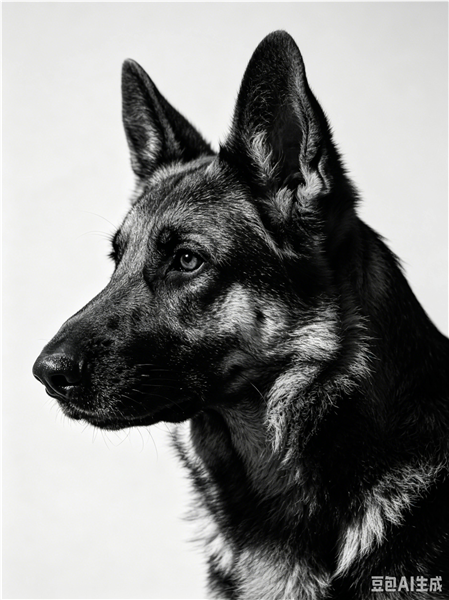
The German Shepherd is a standard large dog. The adult male dog has a shoulder height of 60-66cm and a weight of 30-40kg. The adult female dog has a shoulder height of 55-60cm and a weight of 22-32kg. It has strong bones and tight muscles, and a streamlined back. Smooth, iconic upright ears, wedge head, and double waterproof coat are the core appearance features. There are three mainstream categories in overseas market: the first West Germany shows German Shepherd, with beautiful back curvature, gentle and stable personality, extremely low aggression, mainly home raising and accompanying care, which is the most purchased category by overseas individuals; the second East Germany works German Shepherd, with straight back, strong physical strength and strong concentration, which is mostly used for military police search and rescue and manor guard, which is not suitable for pure novice breeding; the third mixed improved German Shepherd, with ordinary appearance and low price, is only suitable for home nursing home. German animal husbandry cold resistance is very strong, double coat can withstand Europe and America temperate winter low temperature, heat resistance is weak, summer needs to do a good job of cooling summer.
II. German Shepherd Hair Color Classification and US Dollar Pricing Standard for European and American Kennels
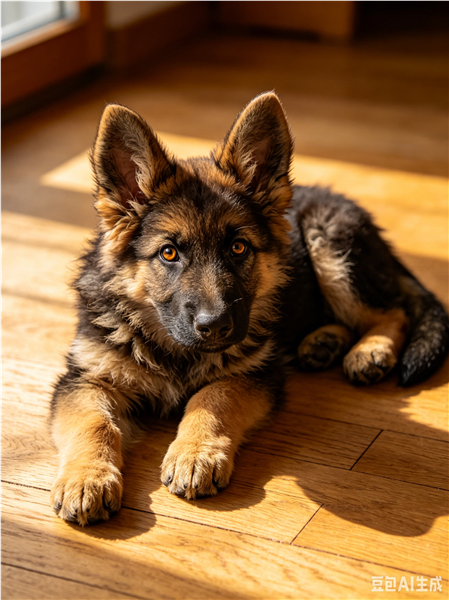
Overseas kennel pricing in the United States, Canada and Europe is based on pedigree, coat color, vaccine chip and grade pricing. The price system is transparent and consistent with overseas pet trading market. 1. Classic black-backed saddle color German Shepherd: The mainstream hit on the market, with pet-grade puppies being US$280 -520, and single-blood AKC certification being US$530 -800;2. Pure black German Shepherd: A high-end rare overseas appearance, a calm and protective character, a dual-blood puppy being US$820 - 1,200;3. Wolf gray German Shepherd: Original retro coat color, stronger work attributes, and a market price of US$450 -950;4. Motley disqualified German Shepherd: The event does not recognize appearance, only for domestic care, US$280 -400. Google's overseas high-frequency search term how much is a german shepherd puppy, and the full text is naturally implanted to adapt to Google's semantic inclusion to improve the ranking of overseas procurement keywords. Pure and compliant German Shepherd have thick feet, steady gait, firm eyes, and no congenital defects of lying ears or collapsing back.
3. Detailed explanation of the core advantages and disadvantages of German Shepherd from the perspective of overseas breeding
Core advantages of overseas family breeding: The first IQ dog ranks third, compliance level, basic accompanying, home guarding, food refusal, and risk avoidance instructions can be completed within 5 times, and the fitness for professional guard training is full; The second is extremely vigilant, stable territorial awareness, docile and tolerant to family members, and high alert to strangers. It is suitable for single-family manor and courtyard guarding homes. The yard breeding rate of rich people in Europe and the United States is extremely high; The third is strong and disease-resistant. Compared with Golden Hair and Labrador, they have fewer genetic diseases and strong outdoor adaptability, making them suitable for outdoor walking in suburbs and countryside; the fourth is loyal and single-minded, recognizes the owner throughout their life, and can live in harmony with children and domestic pets at home, and their temperament is extremely stable after completing social training.
Pain points of shortcomings in overseas breeding: The first integrated model is too large, and small apartment units in Europe and the United States are prohibited from raising, and only single-family courtyards and large apartment units in compliance can be raised; in the second season, a large amount of hair is shed, and the double-layer thick hair is removed in large areas in spring and autumn. The household cleaning workload is heavy, and people with allergic constitutions are raised cautiously; Third, the amount of food is too large, the monthly cost of dog food and maintenance consumables is higher than that of small dogs, and the monthly raising cost overseas is US$60 -110; Fourth, the energy is strong and requires more than 1.5 hours of outdoor exercise every day. Office workers do not have time to walk the dog and it is not recommended to raise it; The fifth joint is prone to hip joint dysplasia, which is a common genetic disease in large dogs. Chondroitin must be supplemented to maintain the joint at an early age.
4. Guidelines for life expectancy, scientific feeding and overseas veterinary maintenance
Under scientific and compliant feeding in Europe and the United States, the average life expectancy of domestic pets is 10-14 years, and the life expectancy of individuals carefully maintained and without genetic diseases can reach 16 years. Due to high-intensity work, the life expectancy of German herders in working and serving is generally shortened to 8-10 years. Google's overseas core long tail how long do German shepherds live accurately matches user search needs. Core points of maintenance: It is forbidden to feed avocado, grapes, chocolate, and xylitol snacks in the diet, and grain-free dog food for large dogs is the staple food; strictly control the amount of exercise during 3-8 months of childhood, and prohibit frequent jumping and climbing high-rise stairs to prevent hip joint disease; Deworming in vitro every quarter, and double coat hair can easily hide parasites; special joint physical examinations are conducted every six months, and overseas pet medical insurance reimburses German Mu joint diseases extremely high. At the same time, German Shepherd has strong empathy and is prone to separation anxiety when he is alone for a long time, so he is not suitable for long-term living alone.
5. Google's overseas novices purchase knowledge of high-frequency problems and avoid pitfalls
1. Are German Shepherd Dogs suitable for beginners? The work department of German Shepherd is not suitable for novices. The docile West German family is family and can be raised by people with experience in raising large dogs;2. Is German Shepherd very aggressive? Domestic socialized German shepherds are not proactive and only guard against external invaders;3. Can German shepherds coexist with children? Purebred domestic German Shepherd is highly inclusive and is a high-quality escort and guard dog;4. Is it cost-effective to adopt overseas? Adult German shepherds at the rescue station are adopted for free, and puppies in the kennel carry chip vaccines, which is more secure after sales. When purchasing, priority should be given to selecting puppies with well-proportioned ears, normal gait, and no hip joint defects. Low-priced puppies with congenital bone and joint defects should be rejected, and they should be suitable for long-term family breeding without worry.
Related Pets
Persian cat
hamster