Pomeranian
Pomeranian
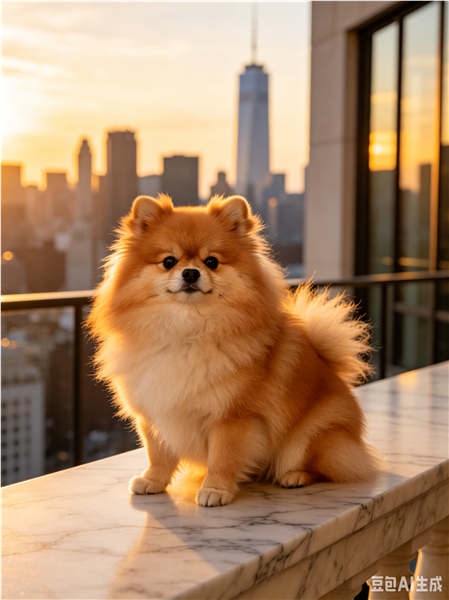
Pomeranian, also known as Pomeranian dog and squirrel dog, belongs to the point-billed dog breed and originated in the Pomeranian region of Germany. They have delicate foxes and fluffy and gorgeous coats. They are not only the world's most precious play-dogs, but also the companion pets that are deeply loved by families. From Queen Victoria's court dog to today's pistachios in the homes of ordinary people, the Pomeranian has won the favor of countless people with its lively character and high interactivity.
1. Appearance characteristics and body type standards
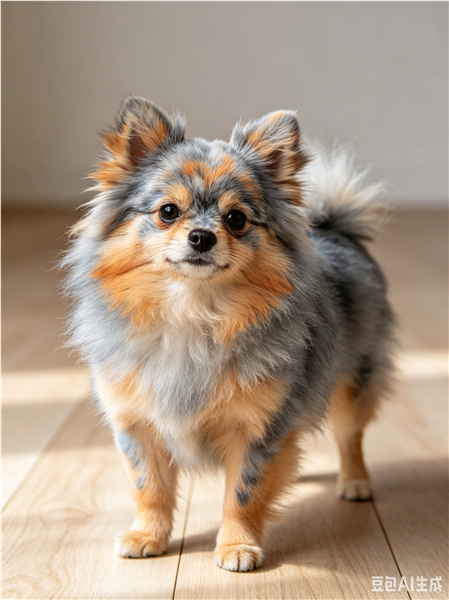
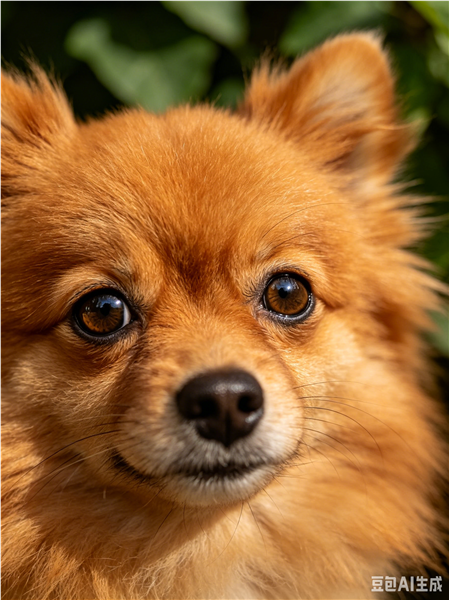
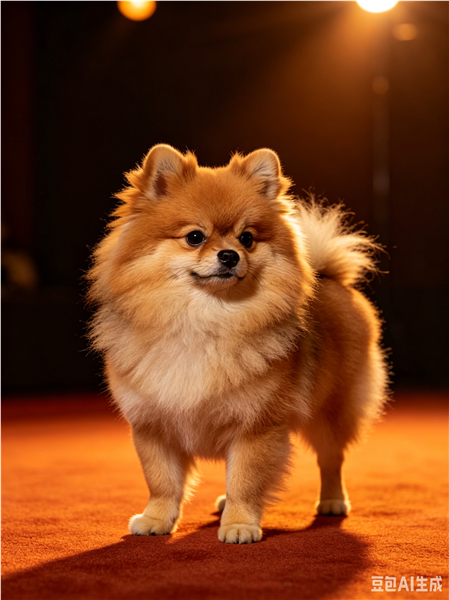
The Pomeranian is a compact, short-backed and very active toy dog. Their heads are slightly round, like foxes, and their muzzles are short and delicate; their eyes are medium-sized and almond-shaped, with vigilance and curiosity in their eyes. The ears are small and positioned high, and are closer to each other. Its most prominent feature is its double coat, which is divided into a soft and thick bottom coat and a thick and hard outer coat. The neck coat is long and thick, as if wearing a gorgeous scarf. The tail is extremely high and has rich hair. It is curled forward flat on the back.
In terms of body size, the ideal weight for an adult Pomeranian is usually between 1.8 and 2.72 kilograms, with a shoulder height of approximately 20 centimeters (2 centimeters). Pomeranian dogs have a wide range of coat colors. Solid colors include black, brown, white, orange, etc.; variegated colors include cream, black and white, iron-clad gold, orange and gray, etc. Overall, the Pomeranian's gait is proud, solemn and lively, and its temperament is healthy and progressive.
2. Character characteristics and behavioral habits
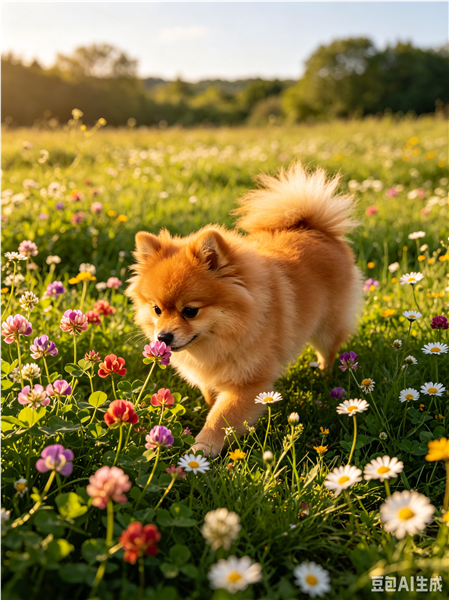
The IQ of Pomeranian is among the best among small dogs and has a strong learning ability. Some simple instructions can be learned in a short time. They are happy, lively and adaptable, and can easily adapt to whether they are single-room apartments or larger houses. Pomeranian dogs are very dependent on their owners. They like to sit on their owners 'lap and enjoy warm caress. They are veritable clingy.
However, the Pomeranian is also jokingly called the king of the dog world. They are extremely sensitive to their surrounding environment, easily excited and accompanied by barking, and some individuals even like to provoke large dogs. In addition, Pomeranian dogs are possessive and prone to jealousy. If a poop officer ignores them for a long time, it can easily cause separation anxiety, which is manifested by constant barking or biting objects. Therefore, it is crucial to carry out adequate social training and quiet command training during the critical period of 3 to 8 months of age.
3. Scientific feeding and daily care
Pomeranian dogs have small exercise requirements. They only need moderate walks to meet their daily consumption. They also need not eat much and their diet expenses are relatively low. In terms of diet structure, it is recommended to feed an appropriate amount of meat food every day and match it with the same amount of starch food. At the same time, pay attention to controlling sodium intake and keeping a light diet to prevent heart disease.
In terms of daily care, Pomeranian dogs have a high hair loss index, especially during the spring molting period, which requires daily combing and appropriate supplementation of lecithin. Pay attention to heatstroke prevention and cooling down in summer, and wear warm clothing when going out in winter. In addition, regular cleaning of tear stains and focusing on checking for glaucoma risks during annual inspections are also essential nursing links. For elderly Pomeranian dogs, it is recommended to prepare non-slip floor mats to prevent joint injuries caused by jumping.
4. Health management and genetic disease prevention
Although Pomeranian dogs are inherently active and lively, they still need to pay extra attention in health management. The first is patella dislocation, which affects about 25% in Pomeranian dogs. It is recommended to avoid frequent jumping movements daily and appropriately supplement joint nutrients. The second is trachea collapse. It is recommended to use chest straps instead of traditional collars daily and control weight to reduce the risk of disease.
In addition, some Pomeranian dogs are born with a genetic heart disease. Excessive exercise or being startled can lead to fatal dangers such as cardiac arrest. If a dog develops symptoms such as not liking intense exercise, coughing, or gasping after light exercise, it is necessary to be highly vigilant for heart problems, seek medical advice promptly and maintain his emotional stability.
5. Purchasing suggestions and family adaptability
When purchasing Pomeranian puppies, priority should be given to professional kennels and avoid purchasing live dogs online. High-quality puppies should have clear proof of pedigree, have a lively mental state but not overly excited, have bright eyes without secretions, have fluffy and shiny coat, and have coordinated limbs without lameness when walking. It is recommended to require viewing of parent dogs 'hip and eye examination reports.
In terms of family adaptability, Pomeranian dogs are very suitable for breeders who have regular lives and patience for daily care. For families with children, it is recommended to choose individuals over 2 years old with stable personalities and teach children the correct way to interact (such as not forcibly hugging). Families with children under 5 years old recommend giving priority to adult dogs. For elderly breeders, Pomeranian dogs 'low exercise needs are very suitable, but regular toilet times need to be established and sterilized individuals need to be selected to reduce management difficulties. Before making a final decision, it is recommended that potential breeders first experience actual getting along with each other through short-term foster care to ensure that they can invest enough time for systematic management and emotional companionship.
Related Pets
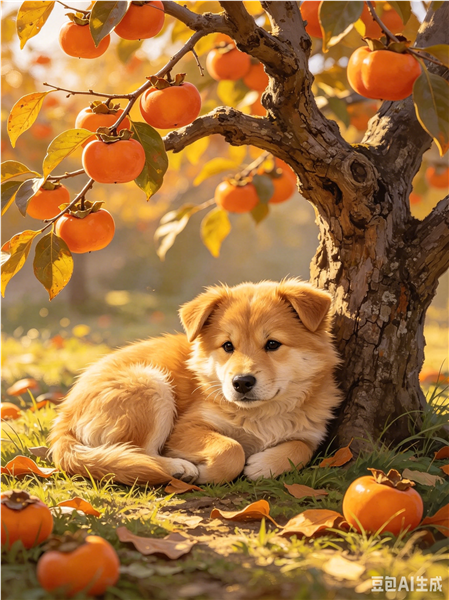
Chinese pastoral dog
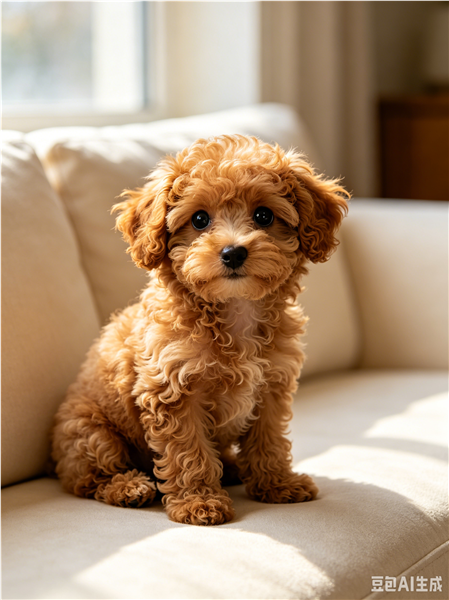
Teddy dog