Border Collie
Border Collie
The English standard name of the Border Collie is Border Collie, which is referred to as Border Shepherd in the industry. It originates from the border between Scotland and England. It is a medium-sized multi-purpose dog breed that has ranked among the top ten in Google's overseas search popularity all year round. Since the establishment of the dog IQ evaluation system, it has been ranked first in the world's dog IQ, and its learning ability, logical thinking, and empathy understanding far exceed popular dog breeds such as German Shepherd and Teddy. In the early days, it was specially bred for European and American pastures. It was responsible for grazing sheep and herding livestock. It had a strong sense of independent work. Now, through localized breeding and improvement, it has been divided into two categories: working grazing and pet companionship, which meet the AKC American Kennel Association breeding standards. It can apply for overseas pet chips and pedigree certificates, and is suitable for breeding in European and American single-family courtyards, suburban houses, and large-sized apartments. It is not only a professional grazing working dog, but also a currently popular overseas high-IQ companion pet dog.
1. Border collie's physical signs and category classification
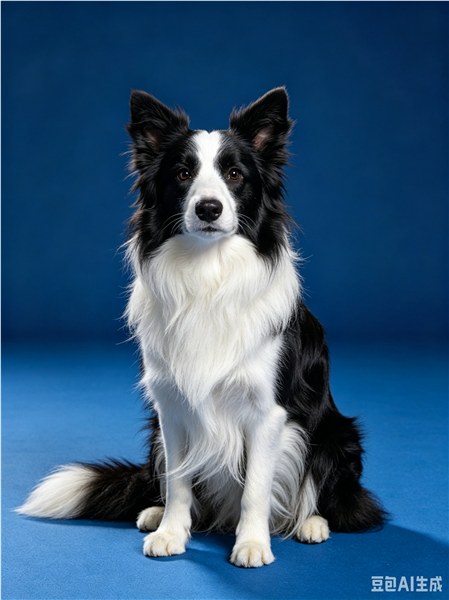
Border collie belongs to a standard medium-sized dog with a balanced and agile posture. The adult male dog has a shoulder height of 48 - 56 cm and a weight of 14 - 20 kg. The adult female dog has a shoulder height of 46 - 53 cm and a weight of 12 - 18 kg. It has long limbs and strong explosive power. The back lines are smooth and the endurance far exceeds that of most partner dogs. Border herders have double coat, which is divided into two types: short hair and long hair. Long hair border herders have higher appearance and higher penetration rate among overseas domestication. Short hair border herders are simple to manage and are mostly used for pasture grazing work. There are two types of mainstream overseas breeding categories: one is border herding, with abundant physical fitness, strong concentration, and full execution of grazing instructions, making it suitable for farm and pasture operations; the other is a border herding, with a passive and docile personality, and no strong grazing desire, well-behaved relatives, suitable for urban family breeding. In the market, most border herders have half-standing ears or full-standing ears, and most of the ears are mixed with mixed blood strings. Purebred border herders have vivid and transparent eyes and have a strong ability to observe words and colors.
2. Overseas mainstream coat color grading and US dollar market pricing
The pricing of kennels in Europe, America, the United States, Australia, and Europe is strictly based on the rarity of coat color, pedigree qualifications, vaccine chips, and appearance level. The prices are transparent and unified, and are in line with the overseas cross-border pet trading market. 1. Classic black and white border herders: The mainstream coat color of the world's public has the highest recognition, with pet-grade puppies 260 - 480 US dollars, and single-blood AKC certification 490 - 720 US dollars; 2. Blue meteorite border herders: rare color of overseas Internet celebrities, unique patterns, dual-blood appearance 750 - 1,000 US dollars; 3. Red meteorite/coffee border herders: niche retro coat color, small breeding volume, market price of 680 - 1,150 US dollars; 4. Yellow and white border herders: Basic and affordable coat color, low breeding threshold, and priced at US$260 - 420. Google's overseas high-frequency search long tail how much does a border collie cost, and the text naturally implants overseas native search terms to improve Google's ranking. The colors and colors of purebred border herders are symmetrically distributed, with white chest and snow on four paws. There are no variegated color blocks, and melanin deposits on the nose.
3. Analysis of the advantages and disadvantages of border collies from the perspective of overseas breeding
The core advantages of overseas family breeding: the first IQ fault is the lead, the dog IQ is the first, can understand 200 + human words, understand the owner's body expressions, can learn skills such as toilet, accompanying, obstacle running, and frisbee at a fixed point in 2 - 3 times, is a resident dog breed in the European and American pet competitions; the second character is gentle and non-aggressive, is born to be relatives, and is extremely tolerant of the elderly and children. After social training, it can live in harmony with cats, dogs and other species pets, and community breeding is highly compliant; The third body is clean and flexible, with many types of face values to choose from, and is extremely ornamental; the fourth body has excellent physical fitness, few genetic diseases, strong disease resistance, and extremely suitable for outdoor hiking and camping. It is deeply loved by outdoor enthusiasts in Europe and the United States; The fifth is highly obedient, has no rebellious habits, and is better controllable than medium-sized dogs such as Huskies and Alaska.
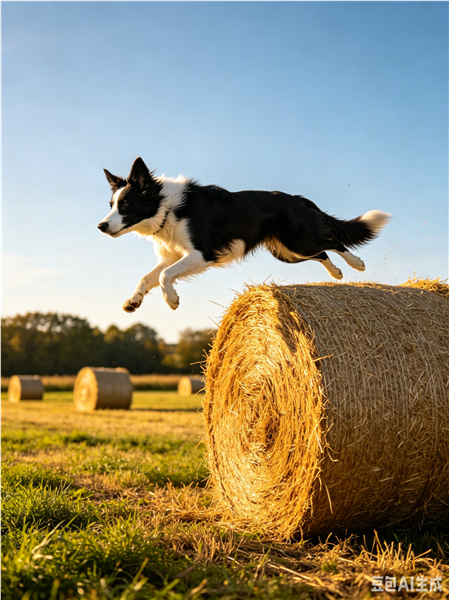
Pain points of shortcomings in overseas breeding: The first is extremely mature in mind, sensitive and suspicious, and has an IQ that overpowers novice owners. Owners with poor self-control can easily be manipulated by dogs in the opposite direction; second, the energy is explosive, requiring 2 hours of outdoor exercise + mental interaction every day. Walking without interaction, it is easy to demolish the house, bark, and bite the furniture; third, large areas of hair fall off in spring and autumn, and the long hair style is cumbersome to manage. Hair must be combed 2 - 3 times a week to avoid knots of hair; The fourth is sensitive to empathy, and it is easy to cause separation anxiety when being alone. It is not suitable for long-term living in captivity, and office workers have no time to accompany them; the fifth grazing instinct is engraved in the gene, and it will chase vehicles, pedestrians, and small animals, and must be controlled outdoors by ropes.
4. Border grazing life standards and overseas professional maintenance points
Following European and American scientific feeding and pet medical maintenance standards, the average life expectancy of domestic pets is 12 - 17 years. Individuals with high-quality pedigree are carefully maintained, and the maximum life expectancy can reach 19 years, far exceeding the average life expectancy of medium-sized dogs of the same size. How long do border collies live, accurately matching Google users 'search intentions and increasing the weight of SEO inclusion. Core maintenance rules: Choose grain-free and low-sensitivity dog food for medium-sized dogs. It is forbidden to feed grapes, onions, and xylitol processed snacks to avoid liver and kidney damage; long-haired border herders wash and protect them once a month, and regularly trim the hair on the soles of their feet and ears to prevent Skin diseases; Border herders have fragile hip joints. It is forbidden to frequently jump high platforms and climb high stairs in childhood, and replenish joint calcium powder in advance; you cannot just walk your physical fitness daily. You need to use puzzle and leak toys and retrieve games to consume brain power and avoid psychological anxiety. Data from overseas pet agencies show that border herders with rich brains will have a more stable and docile personality.
5. Guide for overseas novices to purchase high-frequency Q & A to avoid pits for border herders&
1. Are border collies suitable for zero-basic novices? It is not recommended for pure novices to raise dogs. It is suitable for breeders who have experience in raising dogs, have sufficient free time every day, and understand dog psychology; 2. Will border herders take the initiative to bite people? Purebred pets are border herders with gentle temperament and few cases of active biting. They are low-aggressive medium-sized dogs; 3. Can border collies be raised in the apartment? Large-sized transparent apartments can be raised, but small-sized enclosed apartments are not recommended, because energy cannot be released and may easily disturb the people; 4. Is it cost-effective to adopt and purchase border herders overseas? Adult border herders at the rescue station are adopted for free and have a stable personality; puppies in regular kennels carry three doses of vaccine + pet chips, suitable for domestic companionship. When shopping, avoid puppies with dull eyes, dry hair, walking outside, and timid cowardice. Give priority to lively relatives and purebred border herders with a steady gait. Raising will be more worry-free.
Related Pets

Pomeranian
Border Collie