corn snake

corn snake
What is a corn snake?
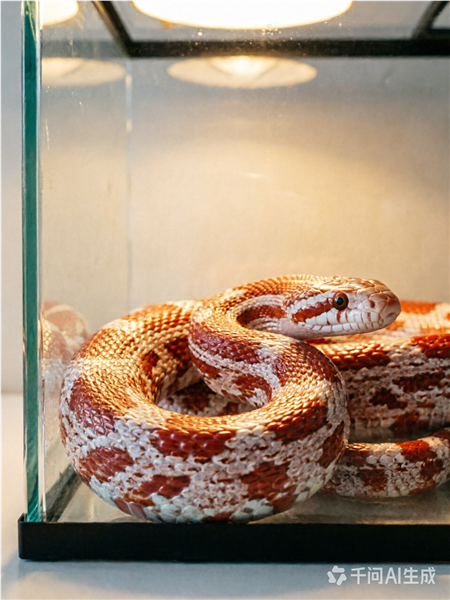
The corn snake (scientific name: Pantherophis guttatus), also known as the corn snake, red rat snake or corn snake, is a non-toxic snake belonging to the genus Pantherophis. They are native to eastern and central North America and are named for their deep and light checkered markings that resemble corn on their abdomen. As an entry-level supermodel in the pet climbing world, the corn snake has become one of the most popular family pet snakes in the world due to its docile personality, moderate body size and extremely simple diet.
Appearance characteristics and rich strains
Wild corn snakes have a variety of body colors. Common background colors include brown, red-orange, gray and yellow, and usually have red-brown markings with black edges. Under artificial breeding, there are more than 20 genes that affect its color and texture. After different breeding directions, hundreds or even thousands of strains have been cultivated. In addition to classic albino lines (such as snow corn) and some varieties that lack melanin (such as black corn and carbon black), there are also deyellowing types, longitudinal grain types, etc. The color of newly hatched larvae is relatively pale and dim, and will gradually show brilliant colors as they grow.
Breeding environment and temperature control
Raising corn snakes requires a ventilated and strong breeding box, with a strong locking top cover on the top because they are known as masters of prison escapes. For novices, using kitchen paper or newspaper as a mat is both clean and easy to clean up. Cold zones (24-26℃) and hot zones (28-31℃) need to be set up in the box. Temperature gradient can be achieved by laying heating pads on one-third of the box bottom. In addition, it is important to provide a basin large enough to soak the snake's entire body. This not only provides clean drinking water, but also helps them shed their old skin smoothly during the molting period.
Daily feeding and health management
Corn snakes are carnivores. In an artificial breeding environment, they are mainly fed aseptically cultivated frozen mice and need to be thawed with warm water before feeding. Young snakes are recommended to be fed every 5-7 days, sub-adults every 7-10 days, and adults every 10-14 days. Never feed food that is too large or in large quantities to avoid vomiting or even life-threatening. Special attention should be paid to never disturb or play with them for 48 hours after feeding to prevent indigestion. Corn snakes have a long life span, reaching 15-20 years under good care. They are a long-lived pet that can accompany their owners for a long time.
Ecological risks and responsible breeding
Although corn snakes are gentle and very ornamental, they have strong environmental adaptability and reproductive ability. Once escaped or abandoned into the wild, it can easily become an invasive species that destroys the local ecological balance, posing a serious threat to native birds, amphibians and other swimming snakes. Some countries have listed it as a prohibited invasive animal. Therefore, choosing to raise corn snakes not only means learning scientific biological knowledge, but also requires the owner to have a high sense of responsibility, never abandon them, properly manage them, and become a qualified pet climbing enthusiast.
Related Pets
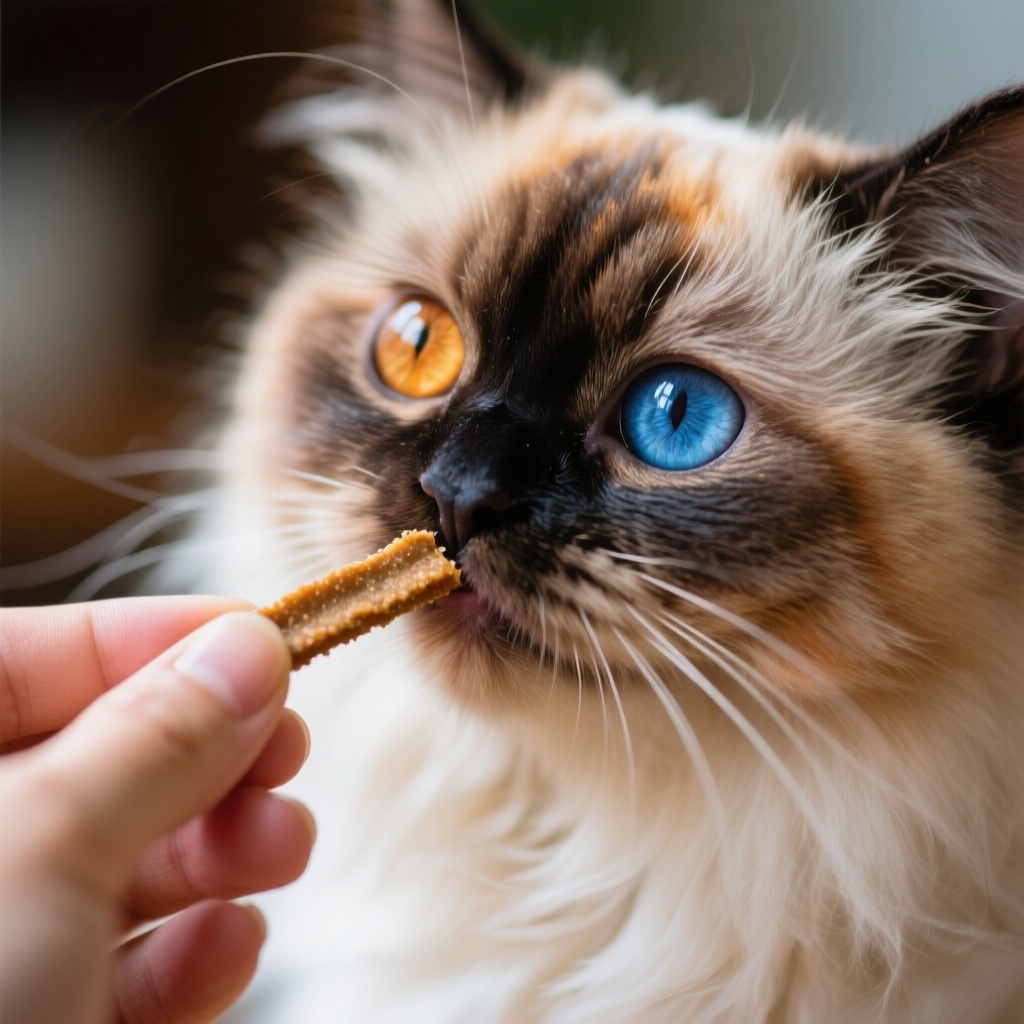
Persian cat
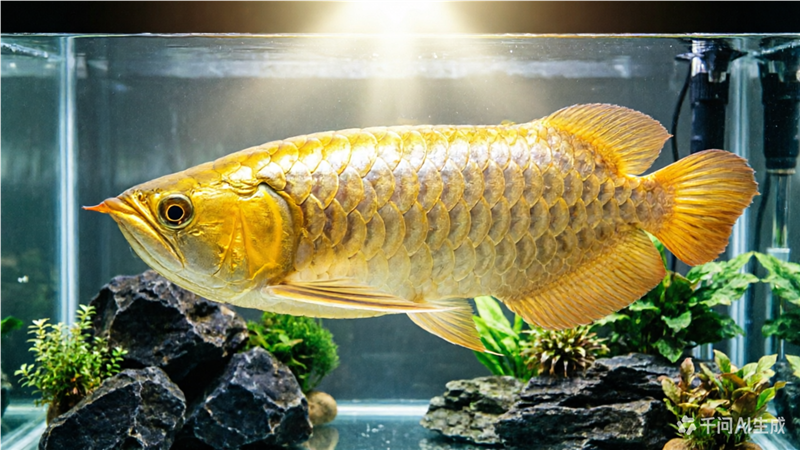
Arowana